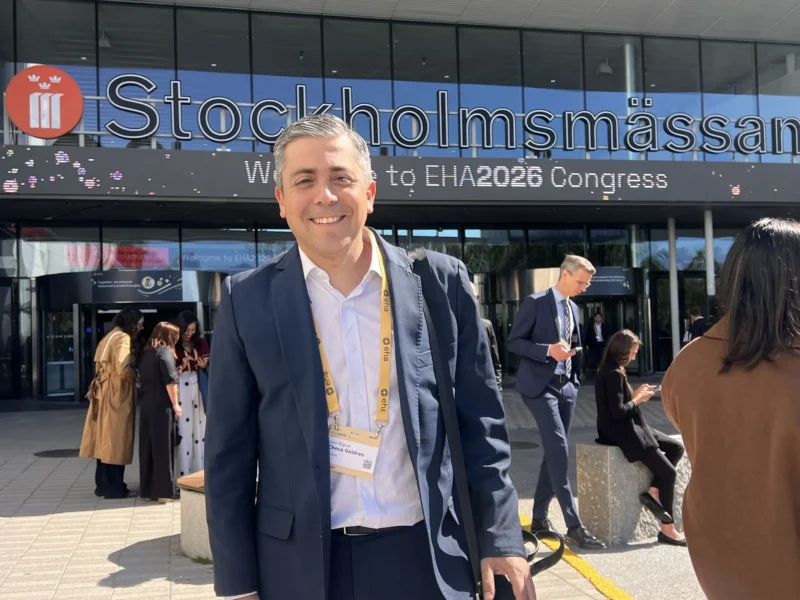
EHA 2026 brought the global hematology community together in Stockholm, Sweden, from June 11–14, 2026, for the 31st Congress of the European Hematology Association. Held at Stockholmsmässan in a hybrid format, the congress highlighted the latest advances across malignant and non-malignant hematology, bringing together clinicians, researchers, scientists, industry leaders, and patient advocates for four days of scientific exchange.
From new clinical data and translational research updates to discussions on precision medicine, cellular therapy, blood cancers, rare hematologic disorders, and supportive care, EHA 2026 offered a broad look at where hematology is heading. Below is a selection of key highlights, updates, and perspectives shared during the congress.
Below are some of the key highlights, scientific updates, and expert perspectives shared by global cancer research leaders during EHA 2026.
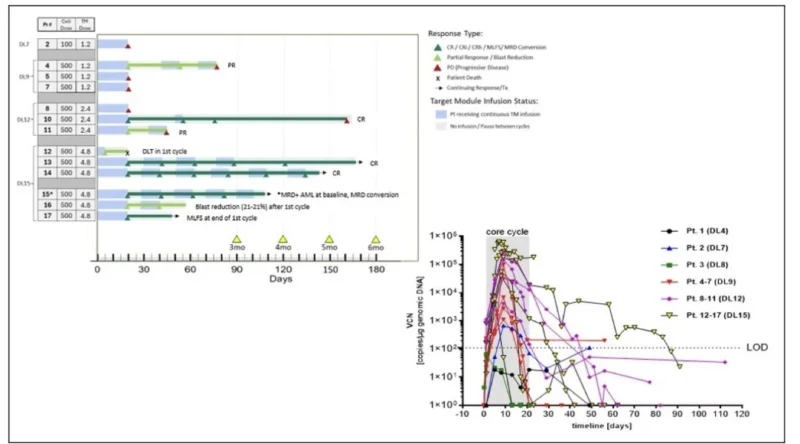
“Plenary LB5007 at EHA 2026 highlighted RevSTAR-123, a phase 1a study of switchable allogeneic CAR-T therapy for CD123-positive AML.
The study evaluated off-the-shelf Allo-RevCAR01-T with the short-acting adapter R-TM123, designed to provide titratable and reversible activity.
The safety profile appeared clean, with one dose-limiting toxicity and no treatment-related mortality, neurotoxicity, or graft-versus-host disease reported.
The swimlane plot told the story, showing dose-dependent depth of response at dose level 15, with 500 million cells plus 4.8 mg of adapter. Durable complete responses, MRD conversion, and morphologic leukemia-free state in TP53-mutated AML were observed.
Pharmacokinetic data showed strong expansion and adapter-driven re-expansion across cycles.
The study is now moving forward in phase 1b at dose level 15.”
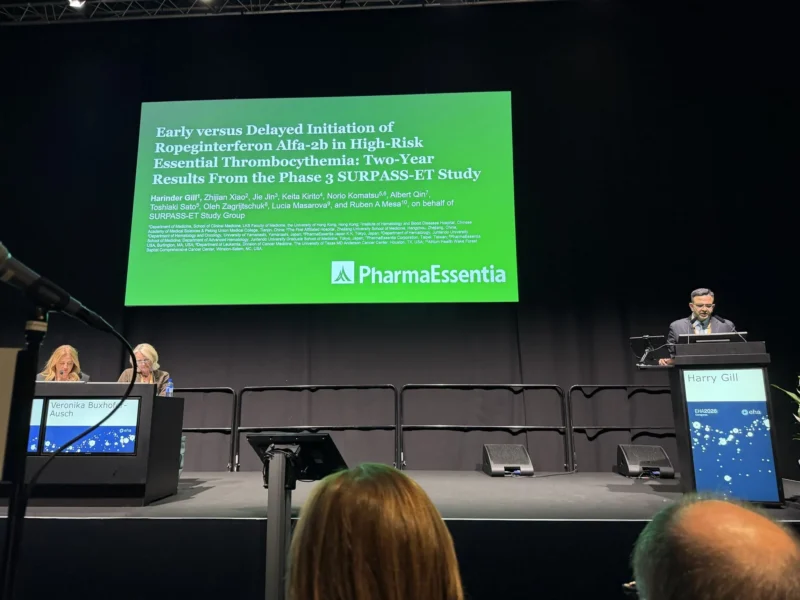
“Honored to be senior author on the EHA 2026 extension data from SURPASS-ET, showing a progression-free survival advantage with early initiation of ropeginterferon alfa-2b compared with anagrelide.
The data were well presented by my colleague Harry Gill.
Congratulations to all collaborators involved in this work.”
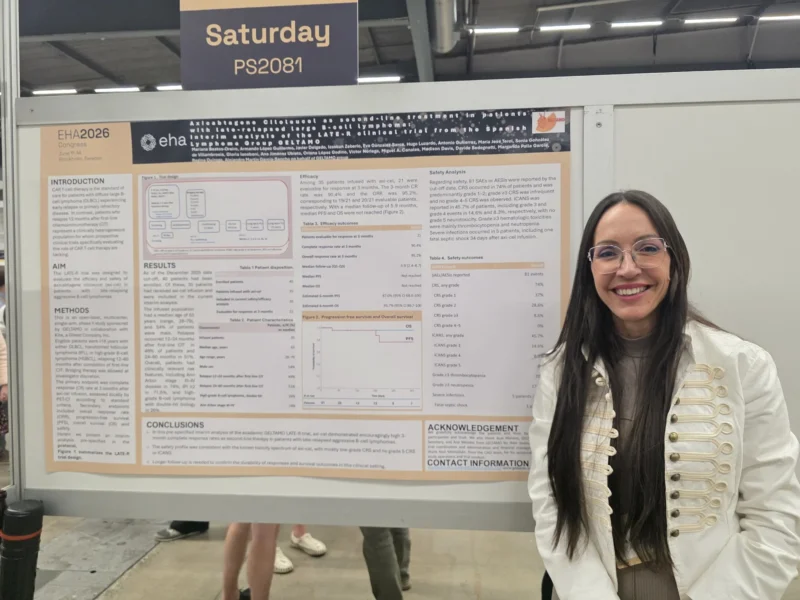
“Proud to share the interim results from LATE-R at EHA 2026 — the first prospective trial focused on patients with late-relapsed large B-cell lymphoma treated with CAR-T therapy.
The study reported a complete response rate of 90.4% at 3 months, supporting axi-cel as a highly effective option in this setting.”
“Delighted to be part of our rapidly growing international MPN research community.
A wonderful and collegial group.”
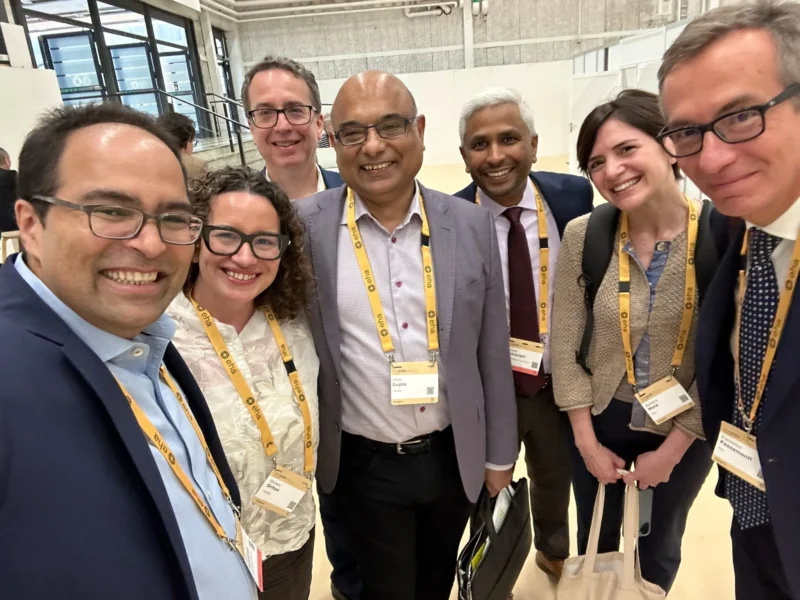
“Attending EHA 2026 in Stockholm, I had the opportunity to join a wonderful pediatric session: “Recent Advances in Pediatric Malignancies,” chaired by Prof. André Baruchel and Prof. Eva Fronkova.
The session gave a clear view of where pediatric hematology-oncology is moving: more precise use of MRD, earlier integration of cellular therapies, more thoughtful timing of HSCT, chemotherapy-sparing approaches, and targeted treatment based on disease biology.
Several messages stood out.
Dr. Shannon Maude presented CASSIOPEIA/COG AALL1721, evaluating tisagenlecleucel in children and young adults with high-risk B-ALL who remained MRD-positive after frontline consolidation. The study met its primary endpoint, with an estimated 4-year overall survival of 85%, supporting CAR-T as a potentially important strategy earlier in the pathway for selected very high-risk patients.
Dr. Lindsey Murphy addressed a practical question in pediatric AML: whether MRD-negative patients need a third chemotherapy cycle before HSCT. In this retrospective multicenter cohort, outcomes were numerically better when transplant was performed after two cycles, without a significant difference in treatment-related mortality. This is not definitive, but it raises an important question about avoiding unnecessary pre-transplant toxicity once MRD negativity is achieved.
Prof. Franco Locatelli presented ICC-APL-02, an anthracycline-free ATRA/ATO-based approach for pediatric APL, with gemtuzumab ozogamicin added for high-risk patients. The data support the ongoing move toward chemotherapy-sparing treatment in a disease where cure rates are high and long-term toxicity matters.
Dr. Rui Zhang presented luvometinib in recurrent/refractory pediatric Langerhans cell histiocytosis. The response and disease control rates were high, with encouraging 12-month PFS during treatment and an acceptable safety profile. As a single-arm study, longer follow-up will be important, especially after treatment discontinuation.
Dr. Vincenzo Giambra presented translational work showing how EZH2 loss and HOXA9-mediated reprogramming may contribute to high-risk ETP-ALL biology and help identify poorer-prognosis T-ALL subgroups.
My main conclusion: pediatric malignancy care is becoming increasingly response-adapted, biology-driven, and toxicity-conscious.
The key challenge now is not only developing new therapies, but integrating them carefully into real-world treatment pathways where efficacy, safety, access, and long-term outcomes are all considered.
For clinical practice, the key question is increasingly not only “what treatment can we add?” but also “which treatment is truly necessary for this child, at this moment, based on response and biology?”
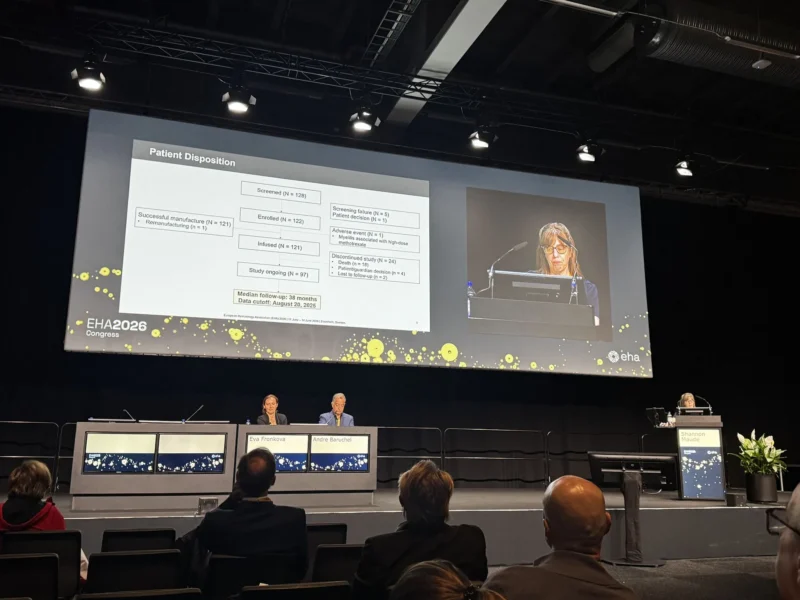
“History in action here at EHA 2026.
Impressive progression-free survival and overall survival were reported with a BCMA-sparing, dexamethasone-reduced regimen in myeloma.
A few of my own patients are represented on these Kaplan-Meier curves and are doing very well.
Talquetamab plus daratumumab, with or without pomalidomide, is coming soon. Adding pomalidomide appears to be associated with more neutropenia and fatigue, but may offer a slightly higher progression-free survival.”
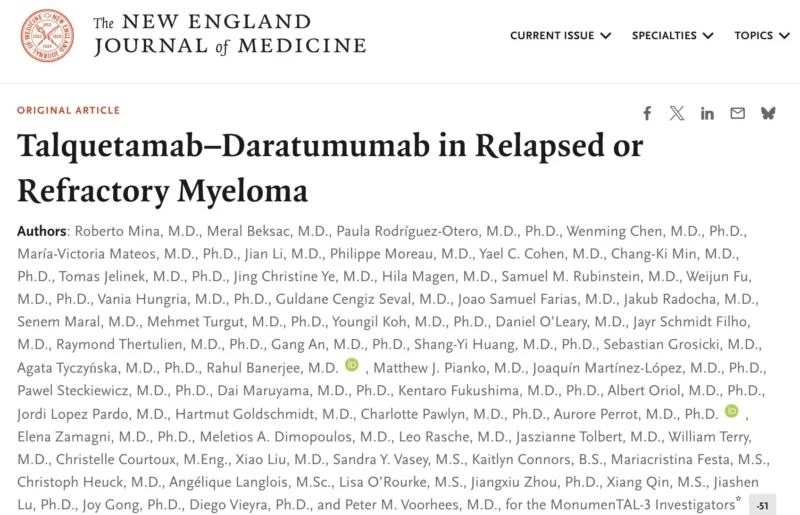
“Happy to participate in the MONUMENTAL-3 study, launched at EHA 2026 and published simultaneously in The New England Journal of Medicine.
This represents another T-cell engager and anti-CD38 combination in relapsed/refractory multiple myeloma.
Read more: https://nejm.org/doi/full/10.1056/NEJMoa2604657?query=featured_home”
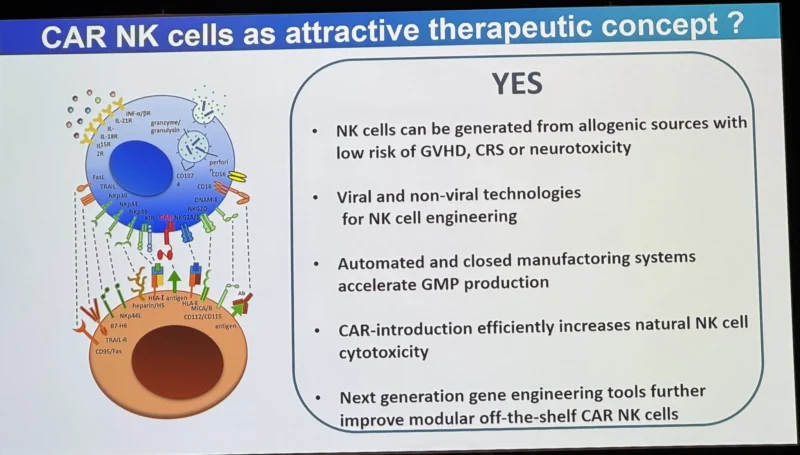
“Dr. Evelyn Ullrich made a strong case at EHA 2026 for CAR-NK cells as a potentially safer immunotherapy approach.
Exciting CLEC12A-CAR-NK work was also highlighted.
The team is putting Seraphina, the actual llama involved, to good work and is looking for recruits.”
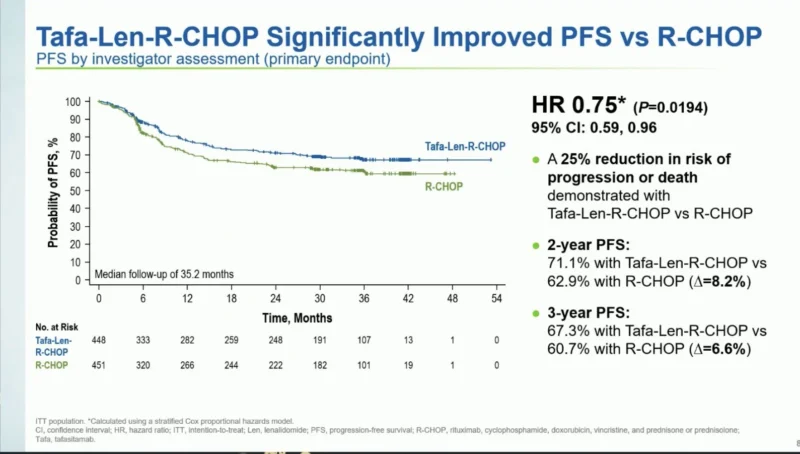
“FrontMIND data from Lenz et al. were interesting.
The study evaluated tafasitamab-lenalidomide plus R-CHOP versus R-CHOP in patients with IPI 3–5 large B-cell lymphoma.
At 3 years, progression-free survival improved by approximately 6–7%, with a greater benefit observed in centrally reviewed/validated DLBCL.
No significant overall survival benefit was reported.
Toxicity was higher, particularly hematologic and gastrointestinal toxicity, and no clear difference was seen by cell of origin.
Tafasitamab was given weekly throughout all six cycles.
The key question remains: does the benefit overcome the added toxicity and logistical impact?”
“Excited to see the MONUMENTAL-3 data being presented at the European Hematology Association (EHA) meeting during EHA 2026 and now published in The New England Journal of Medicine.
Congratulations to Peter Voorhees.”
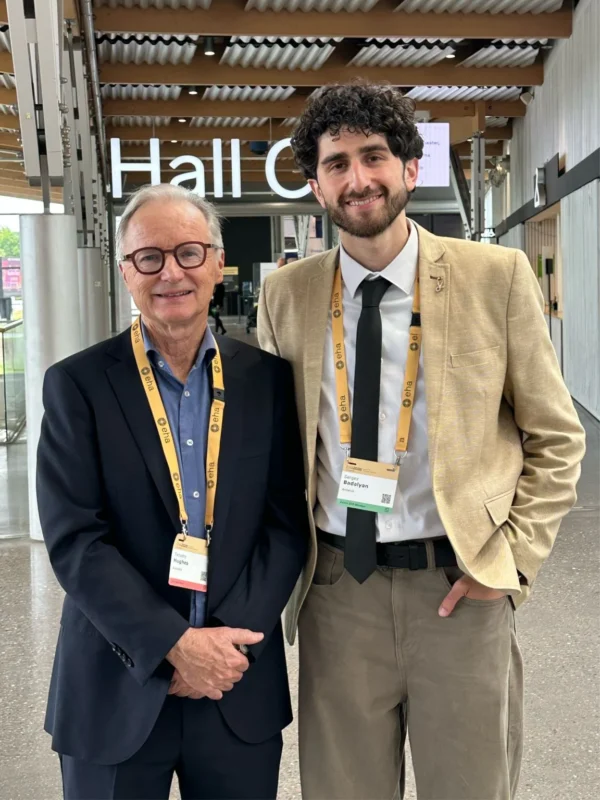
“I had the privilege of sitting down with Professor Timothy Hughes at EHA 2026 for a conversation reflecting on where chronic myeloid leukemia stands today — a field that has been fundamentally reshaped within a single generation of targeted therapy.
More than two decades into the era that redefined outcomes in chronic myeloid leukemia, the story is no longer only about transforming survival, but also about refining how patients live with long-term treatment.
We explored this evolving landscape in an in-person interview at the European Hematology Association (EHA) 2026 Congress, captured during a moment that quietly marks a quarter-century of targeted therapy in this disease.
Full interview: https://lnkd.in/gsyh9y6e”
“Excited to present two studies at EHA 2026 exploring risk stratification in transplant-eligible myeloma.
In a cohort of 1,193 patients, we independently validated the newly proposed IMS–IMWG genomic definition of high-risk disease, confirming its strong prognostic value and demonstrating a stepwise worsening of outcomes with increasing accumulation of high-risk features.
In a second analysis of 914 patients, we showed that genomics alone does not capture the full spectrum of risk. By integrating the IMS–IMWG classification with R2-ISS, we identified a distinct intermediate-risk subgroup: patients classified as standard-risk by IMS–IMWG but with R2-ISS III–IV disease.
These patients had significantly worse outcomes than other standard-risk patients, yet better outcomes than patients with genomically defined high-risk disease.
Genomic risk alone is not enough. R2-ISS identifies a clinically meaningful intermediate-risk subgroup within genomically standard-risk patients.
This work was conducted in collaboration with colleagues from MD Anderson Cancer Center, and I am grateful to all collaborators and co-authors who contributed to these projects, including Muzaffar Qazilbash.”
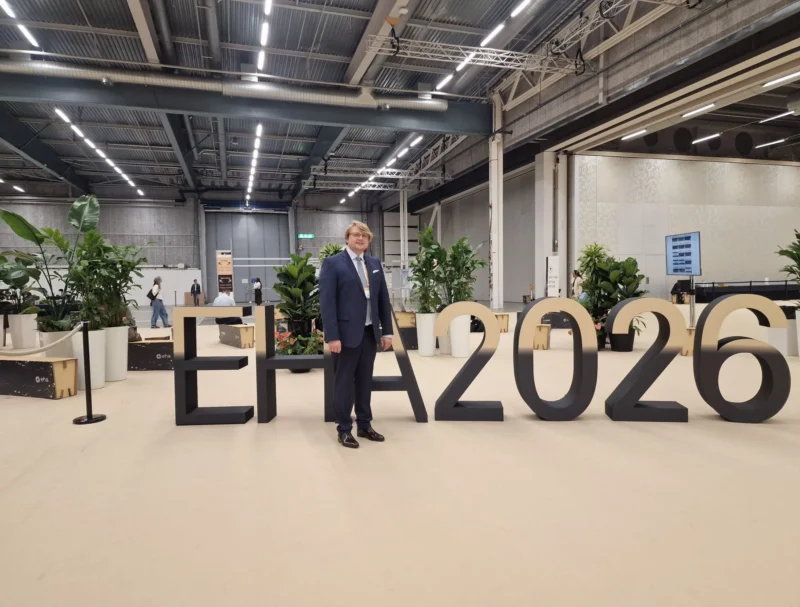
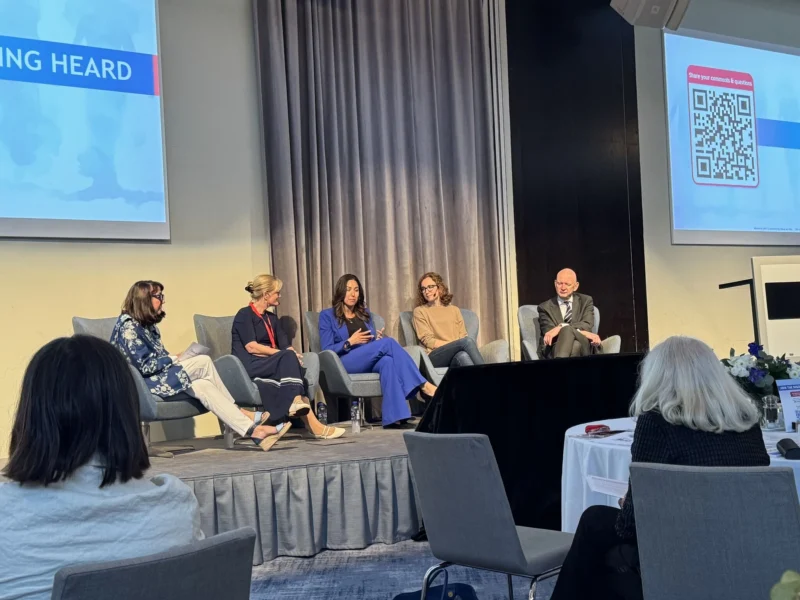
“Spending my week at EHA 2026 in Stockholm: once again, a thrilling congress with cutting-edge science and amazing people. Yet patient advocates were again excluded from the exhibition hall.
It happened last year in Milan. It is happening this year in Stockholm. It may happen again next year in Barcelona.
The official explanation is pharmaceutical advertising law. But after 16 years of looking at this issue, I believe the real story is more complicated.
One moment captured it perfectly. In the exhibition hall, a pharmaceutical company invited visitors to “Empower the Patient Community.” At the center of the stand was an empty red chair, described as a symbolic representation of the patient and a reminder of shared purpose.
I genuinely liked the idea. But the irony was hard to ignore.
The patient had a seat. The patient advocate did not.
And despite two decades of demanding a seat at the table, this chair was red, comfortable, and empty.
To be clear, this is not a criticism of EHA. I know no medical society more committed to patient involvement. For years, EHA has involved patient advocates across committees, taskforces, congress sessions, and governance. EHA’s leadership and staff have worked hard on this access issue.
The problem is bigger than this congress. Everyone is caught in a regulatory and compliance framework that leaves little room for maneuver.
What we see is a chain of caution: EU law creates uncertainty, national laws transpose it, industry codes seek compliance, compliance officers interpret risk, congress organizers follow compliance advice, and nobody wants to be the first to take responsibility for a more permissive interpretation.
So the most restrictive interpretation wins.
Patient advocates have become collateral damage of rules designed to prevent direct-to-consumer advertising of medicines.
Unfortunately, we largely missed the opportunity to fix this in the revision of EU pharmaceutical legislation. It expands access beyond prescribers to clinical staff involved in administering medicines. But the law still recognizes only two groups: healthcare professionals and the general public.
The missing category barely existed in 2001: trained patient representatives contributing to research, regulation, health technology assessment, ethics, guidelines, and health policy.
The modern clinical team has been recognized. The modern patient advocate has not.
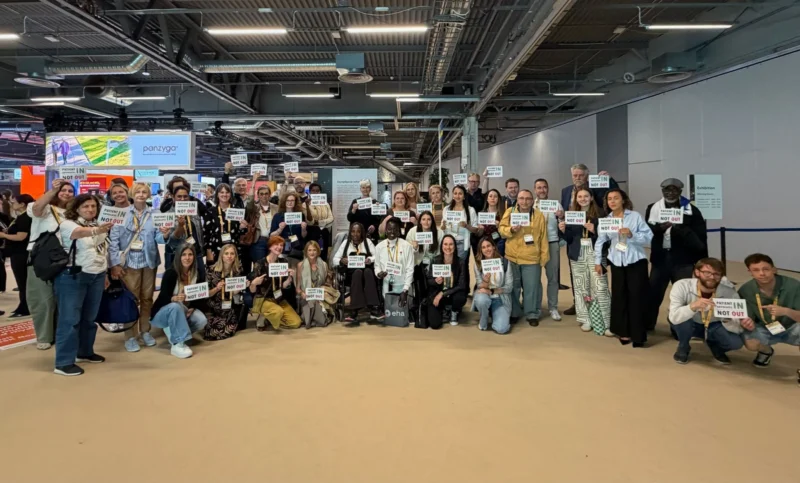
Yesterday, patient advocates gathered in front of the EHA exhibition with one message: “Patient Advocates IN, Not OUT.” We already did this at ESMO in 2015.
This was not directed against EHA, regulators, industry, or compliance professionals. It was a reminder that healthcare has changed. Patients are partners in research, regulation, policy, and care. Our legal and compliance frameworks need to catch up.
Otherwise, the empty chair may become more than a symbol: a voice everyone claims to value, but one that is still too often not allowed into the room.”
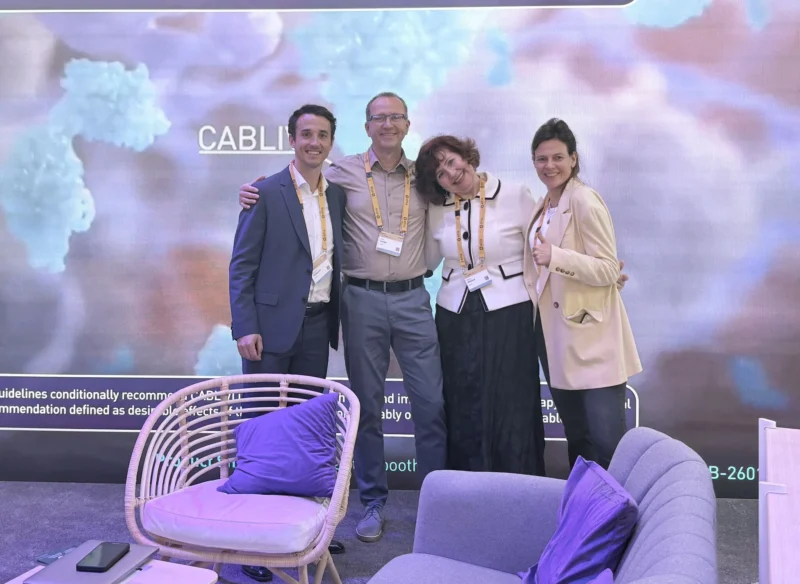
“Grateful for the opportunity to participate in the Women in CAR T event at the European Hematology Association (EHA) in Stockholm, Sweden, sponsored by Kite Pharma.
Inspired by the incredible female leaders in the field of cellular therapy and the empowering, meaningful discussions.”
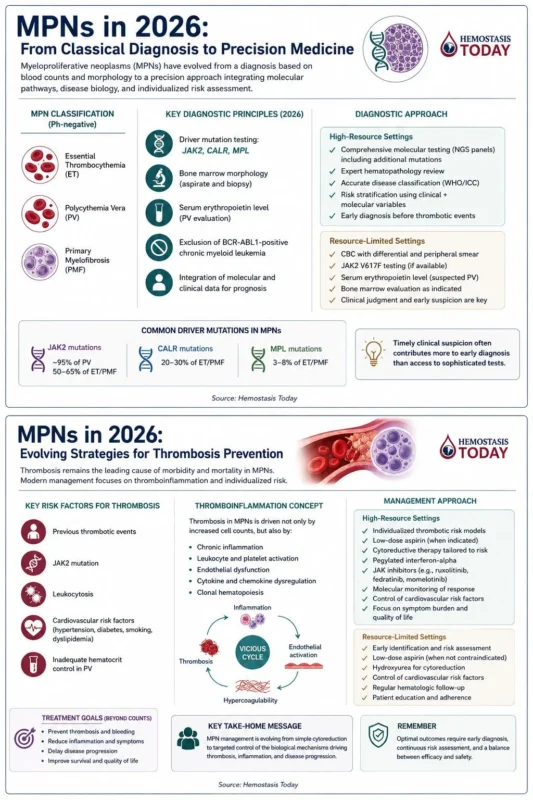
“MPNs in 2026: From Classical Diagnosis to Thrombosis-Oriented Precision Medicine
Myeloproliferative neoplasms are chronic clonal hematologic malignancies in which thrombosis remains the leading cause of morbidity and mortality.
Beyond abnormal blood cell production, these disorders are increasingly recognized as diseases of thromboinflammation and vascular dysfunction.
In contemporary practice, the diagnosis of MPNs requires integration of blood counts, bone marrow morphology, molecular genetics, and exclusion of alternative myeloid neoplasms. Driver mutations, particularly JAK2, CALR, and MPL, remain central to diagnosis and risk assessment.
A key clinical message is that thrombosis may be the first manifestation of an underlying MPN. This is especially important in patients with unexplained splanchnic vein thrombosis, cerebral venous thrombosis, arterial events at a young age, erythrocytosis, thrombocytosis, or leukocytosis.
Current diagnostic principles include early recognition of unexplained erythrocytosis, thrombocytosis, or marrow fibrosis; testing for JAK2, CALR, and MPL mutations whenever available; bone marrow examination for accurate disease classification; exclusion of BCR-ABL1-positive chronic myeloid leukemia; and integration of clinical and molecular factors into thrombotic risk assessment.
The thrombotic risk in MPNs is disease-specific and biologically complex. It is influenced not only by cell counts, but also by JAK2-mutated clonal hematopoiesis, leukocyte activation, platelet dysfunction, endothelial injury, inflammation, and cardiovascular comorbidities.
In high-resource settings, MPN management increasingly includes expanded molecular profiling, expert hematopathology review, individualized risk models, interferon-based strategies, JAK inhibitors when indicated, and structured monitoring of response.
In resource-limited settings, clinically meaningful care remains possible through early suspicion, complete blood count and smear review, JAK2 V617F testing when available, serum erythropoietin assessment in suspected polycythemia vera, rational bone marrow evaluation, low-dose aspirin when indicated, hydroxyurea for cytoreduction, and strict control of cardiovascular risk factors.
The treatment goal is no longer limited to normalization of blood counts. Modern MPN care aims to prevent thrombosis, reduce inflammatory burden, control symptoms, delay progression, and preserve quality of life.
For hematologists, the central question is not only, “Does this patient have an MPN?” but also, “What is this patient’s thrombotic risk, and how can it be reduced safely and effectively?””
“Excited to be at the EHA Congress in Stockholm this week, learning about the latest innovations and promising new therapies shaping the future of patient care.
It has been great to connect with healthcare professionals, researchers, and many others dedicated to improving outcomes for patients.
If you are attending EHA and are around this week, I would be delighted to connect. Looking forward to the conversations ahead.
Special thanks to Tinneke Denayer and all Sanofi teams for contributing to the success of this great event.”
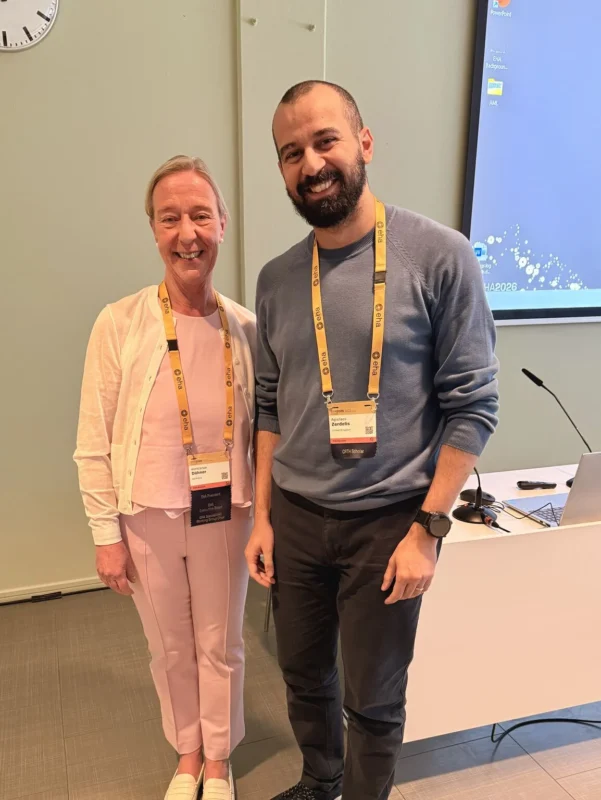
“I have been reading Professor Konstanze Döhner’s work for years. Today, I had the opportunity to shake her hand.
At EHA 2026, I was invited to attend the AML Specialised Working Group business meeting — a gathering of some of the most influential names in the field, focused on new projects and international collaborations.
I sat there thinking: how did I end up in this room?
Prof. Döhner, outgoing SWG lead and current EHA President, has been a defining influence on my path toward AML and its biology.
Briefly meeting her today was a moment I would never take for granted, and it was truly a privilege.
Thank you to the European Hematology Association (EHA).”
“Every guideline update represents years of research, collaboration, and patient participation.
Being at EHA 2026 in Stockholm is a reminder that behind every data point is a patient waiting for a better outcome.
The publication of new EHA guidelines in chronic lymphocytic leukemia is an important milestone for the hematology community, but it is also a reminder of the responsibility we all share.
Behind every recommendation is an opportunity to ensure that more patients can benefit from the latest advances in science.
Ultimately, behind every guideline, every study, and every breakthrough, there is a patient — and that is why we do what we do.”
Stay informed with more articles like this on OncoDaily
Written by Nare Hovhannisyan, MD