EACR 2026 (the European Association for Cancer Research) brought the cancer research community together in Budapest from 8–11 June for four days of science, innovation, and collaboration.
The Annual Congress of the European Association for Cancer Research highlighted the latest advances in basic, preclinical, and translational cancer research, covering a wide range of topics that reflect the rapidly evolving landscape of cancer science.
As a global scientific community dedicated to advancing cancer research, EACR once again created a platform for researchers to share knowledge, build connections, and inspire new collaborations that may shape the future of cancer discovery and treatment.
Below are some of the key highlights, scientific updates, and expert perspectives shared by global cancer research leaders during EACR 2026.
“The last four days at EACR 2026 in Budapest were a blast.
Here are my six highlights. I was particularly excited to listen to so many outstanding talks from my junior female PI peers. So much cool and creative science — watch out for their soon-to-be-published work.
Leeat Keren presented exceptional work in spatial protein profiling.
Efrat Shema showed fascinating epigenetic fingerprinting of aggressive breast cancer populations.
Karuna Ganesh, MD, PhD, introduced a novel explanation for why higher incidences of colorectal cancer are being observed in younger patients, combining patient data with creative organoid experiments.
Colinda Scheele presented beautiful optical barcoding lineage tracing of lymph node metastasis.
Kairbaan Hodivala-Dilke discussed racial disparities in breast cancer patients, highlighting one of the first carefully designed studies investigating different patient outcomes in populations underrepresented in research.
Christopher Tape also shared compelling work on phenoscaping perturbations in colorectal organoids at high throughput to discover novel therapeutic vulnerabilities.
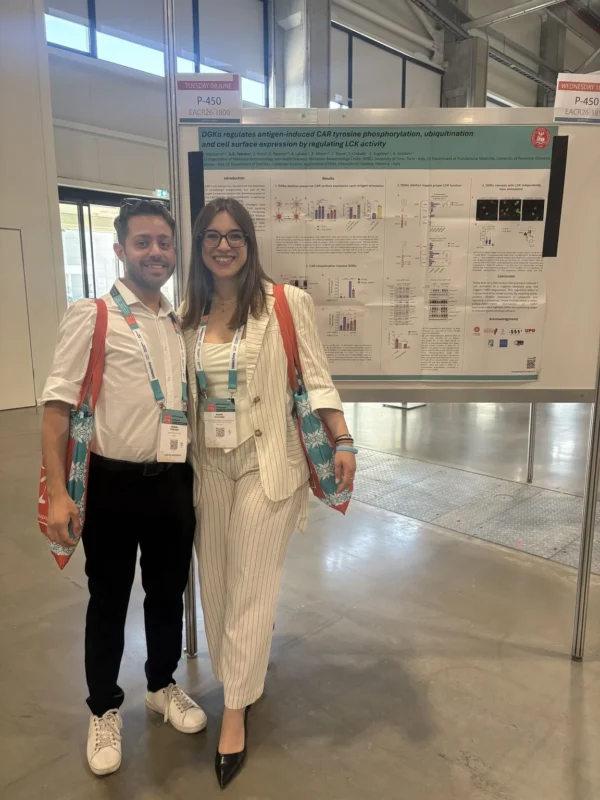
My postdoc Eva Chrenková and I had a very busy poster session, with many people excited about our work. We are now returning to the lab at the Center for Cancer Research of Medizinische Universität Wien with fresh motivation for our next experiments.
Check out our latest preprint from Daphne Superville: Tumor Heterogeneity Induces Pro- and Anti-metastatic Myeloid Cell Phenotypes in Breast Cancer Lung Metastasis.
Also, see our recent publication in Nature Methods together with André Rendeiro: LazySlide.”
“It was a pleasure to present my research at EACR 2026, supported by the European Association for Cancer Research (EACR) and The Mark Foundation for Cancer Research.
Thank you to the organizers and all participants!”
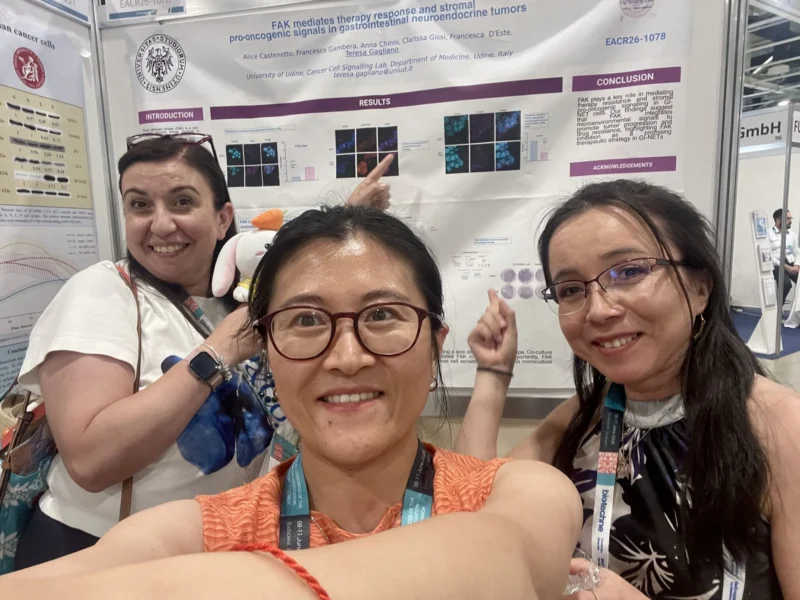
“At EACR 2026, we had the opportunity to meet researchers whose work featured ABclonal antibodies in their poster presentation on therapy response and stromal signaling in gastrointestinal neuroendocrine tumors.
Seeing our products contribute to meaningful cancer research is exactly why we do what we do.
A big thank you to the research team for sharing their work and taking the time to connect with us at the conference.
We are proud to support scientists around the world in advancing biomedical research.”
Fishman Oncology Center – Rambam:
“Proud to share our contribution to the European Association for Cancer Research (EACR) 2026 Congress.
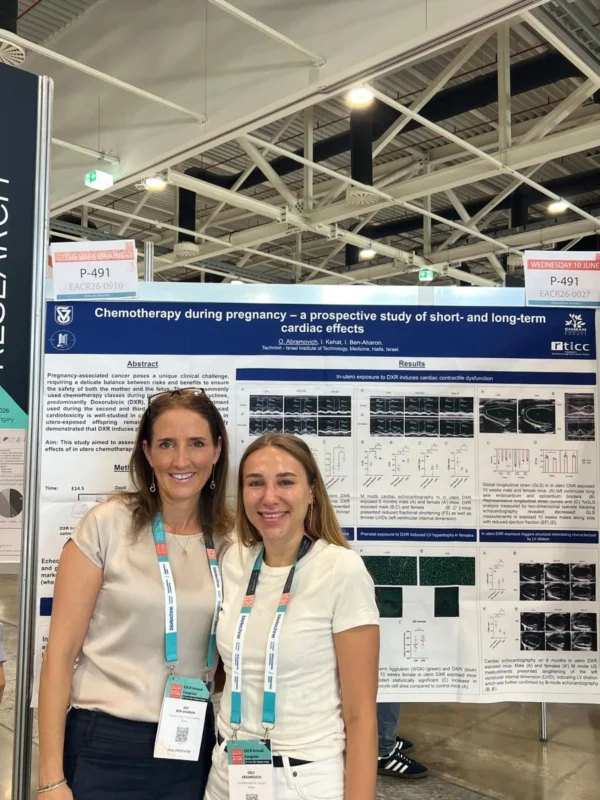
Cancer during pregnancy carries a major healthcare impact. After presenting epidemiological data at the American Society of Clinical Oncology (ASCO) 2026, Professor Irit Ben-Aharon, MD, PhD, shared preclinical research conducted in her laboratory at the RTICC, Technion – Israel Institute of Technology, during EACR 2026.
The presented data indicate that chemotherapy crosses the placenta and induces epigenetic alterations in some embryos.
Moreover, Orly Abramovich, a PhD student in the lab, presented her work studying the short- and long-term outcomes of in utero exposure to chemotherapy.”
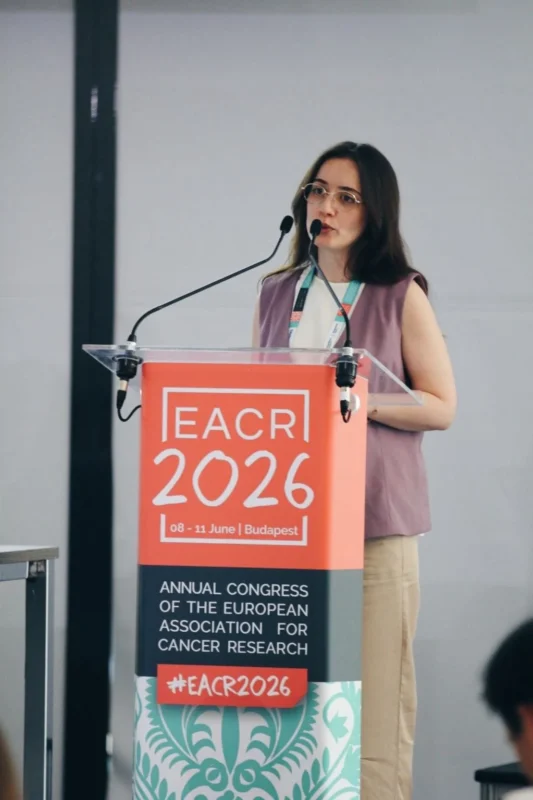
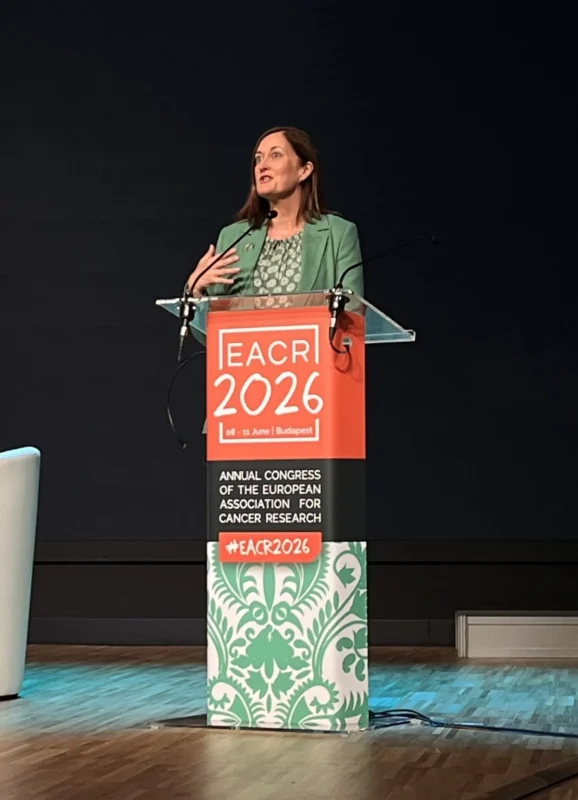
“As the EACR Congress has come to a close here in Budapest, I officially begin my term as President of the European Association for Cancer Research.
It has been an energising week, with so much unpublished data, lively discussions, inspiring science, and an equally inspiring community.
The EACR has been an important scientific home for me for many years. It brings together an extraordinary community of cancer researchers across Europe and beyond, united by curiosity, ambition, collegiality, and a shared belief in the power of discovery to change the lives of patients.
I am so excited to work with the EACR Board, the entire EACR team, and our wider community to build on the strong foundation shaped by outstanding EACR Presidents over the years and strengthened by the wonderful Yardena Samuels during her presidency. It has been a pleasure to serve with her.
Over the next two years, I am committed to supporting excellent science, creating opportunities for the next generations, strengthening connections across countries and disciplines, and ensuring that cancer research in Europe remains bold, collaborative, and internationally leading.
At a time when science faces many pressures, what we have built together matters more than ever. We need spaces where researchers can come together, exchange ideas openly, support one another, and imagine all that is possible.
Thank you to everyone who made this congress such a success, and to all those who make the EACR such a vibrant and welcoming home for cancer research.
I am honoured to serve as your President and excited for the journey ahead.”
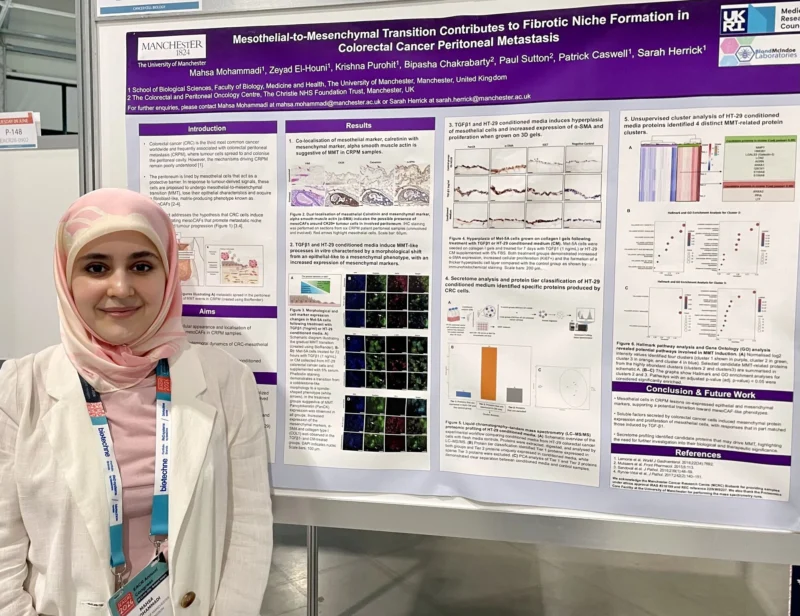
“A great few days at EACR in Budapest.
It was a privilege to present my research and connect with researchers from across the world who are working to advance cancer research.
One of the highlights of the conference was the Meet the Mentor session, where we had a great discussion with Professor Caroline Dive, CBE, on equity and women in academia.
It was also brilliant to reconnect with friends and colleagues from different universities, especially The University of Manchester, and to meet representatives from a range of industry companies and learn more about the exciting innovations happening across the sector.
Finally, I would like to thank my supervisors, lab partners, and the Medical Research Council (MRC) for their continued support and for funding my research.
I leave Budapest feeling inspired and more motivated than ever to continue my work, with new ideas, fresh perspectives, and renewed enthusiasm for the research ahead.”
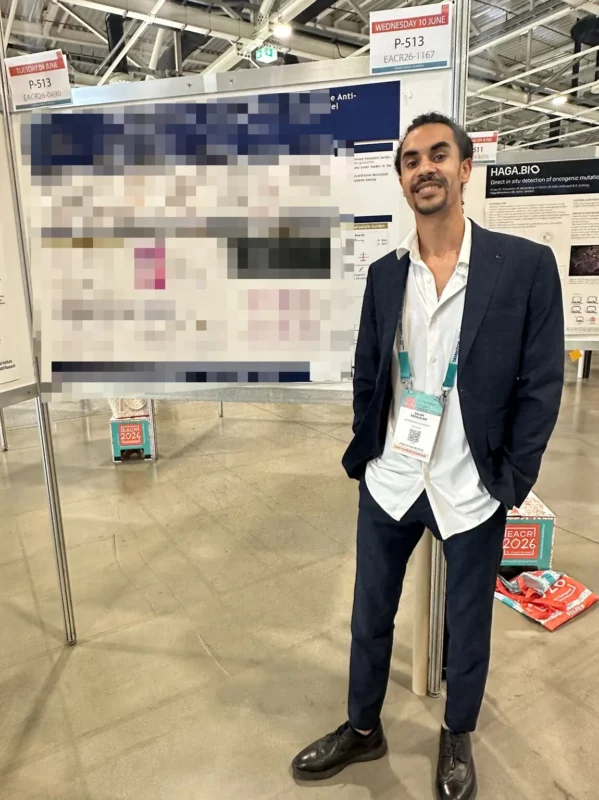
“Honored to have had the opportunity to present my poster at EACR.
It was a fantastic experience to share our work, engage in inspiring discussions, and connect with researchers from across the cancer research community.
Grateful to everyone who stopped by, asked thoughtful questions, and shared valuable insights.”
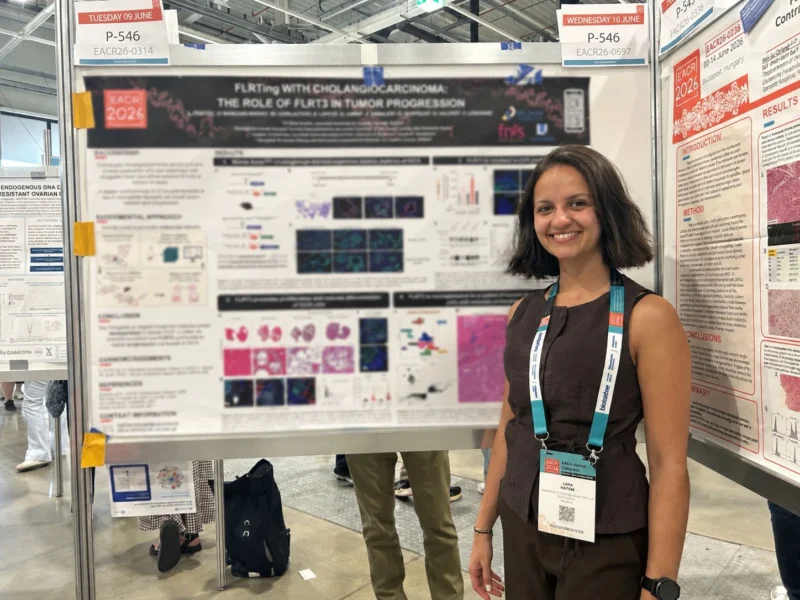
“What a fantastic week at the European Association for Cancer Research (EACR) Congress in Budapest.
I had the opportunity to present my PhD project, “FLRTing with Cholangiocarcinoma,” during the Tumour Biology session. It was a rewarding experience, where I was able to exchange ideas and meet incredible scientists.
The talks from leading researchers were truly exceptional and motivating — a great reminder of the progress being made in cancer research, and even more special to see many inspiring women in the spotlight.
I would like to thank my PI, Frederic Lemaigre, our collaborators, and F.R.S. – FNRS for their support.”
“A great few days at the European Association for Cancer Research (EACR) 2026.
It was inspiring to see the continued momentum behind immunotherapies that help drive durable anti-tumor immune responses.
This edition was particularly meaningful for me, as I was involved in two posters presented at the meeting.
The first highlighted our work exploring the immunotherapeutic potential of STC-1010 with Brenus Pharma and InSphero.
The second stemmed from a project that began during my PhD, and it was great to see the work continue and be presented by Clara Gouez.
Many thanks to all collaborators who contributed to these projects.
Looking forward to continuing the discussions and collaborations.”
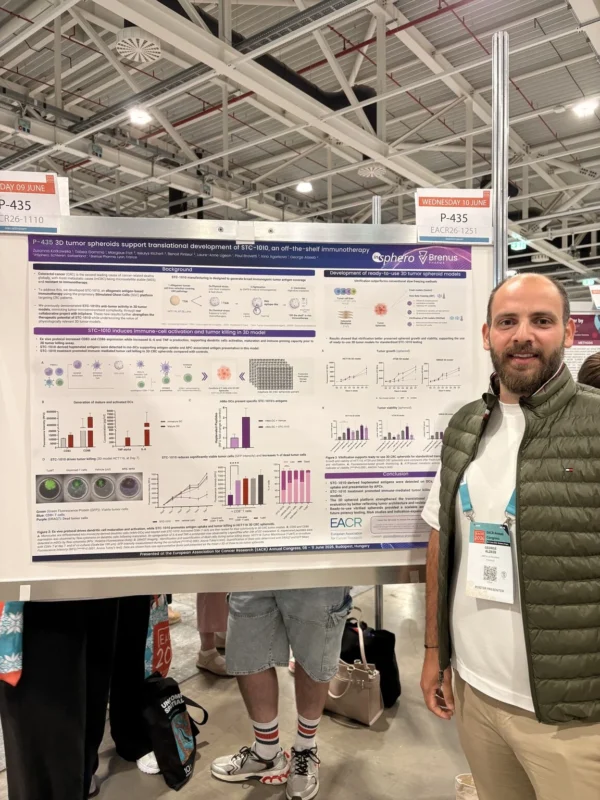
“What an incredible few days at the European Association for Cancer Research (EACR) 2026 Congress in Budapest.
As my first EACR Congress, this experience exceeded all expectations. It was an inspiring opportunity to learn from outstanding scientists, discover cutting-edge cancer research, and engage in thought-provoking discussions spanning basic, translational, and computational oncology.
The breadth of science presented throughout the meeting broadened my perspective and sparked many new ideas that I am excited to bring back to my own research.
Beyond the science itself, it was a privilege to meet researchers from around the world who share the same passion for understanding and combating cancer.
I would like to express my sincere gratitude to the EACR community, and especially to Yardena Samuels for her leadership as EACR President and for helping to create such a stimulating and welcoming event.
Thank you to everyone who organized, presented, discussed, and shared their work throughout the meeting.
I am leaving Budapest with new knowledge, valuable connections, and renewed motivation for my PhD journey. Looking forward to applying what I learned and continuing to contribute to the cancer research community.”
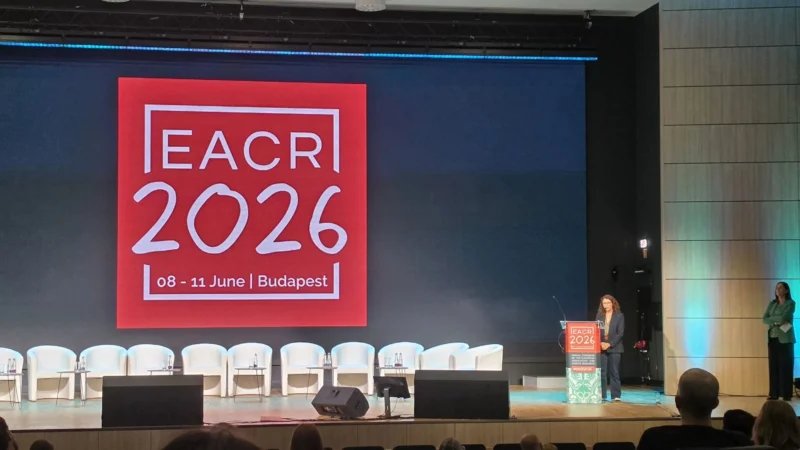
“What a fantastic experience at the European Association for Cancer Research (EACR) in Budapest.
I had the opportunity to attend inspiring symposia and hear from leading experts in the field of cancer research.
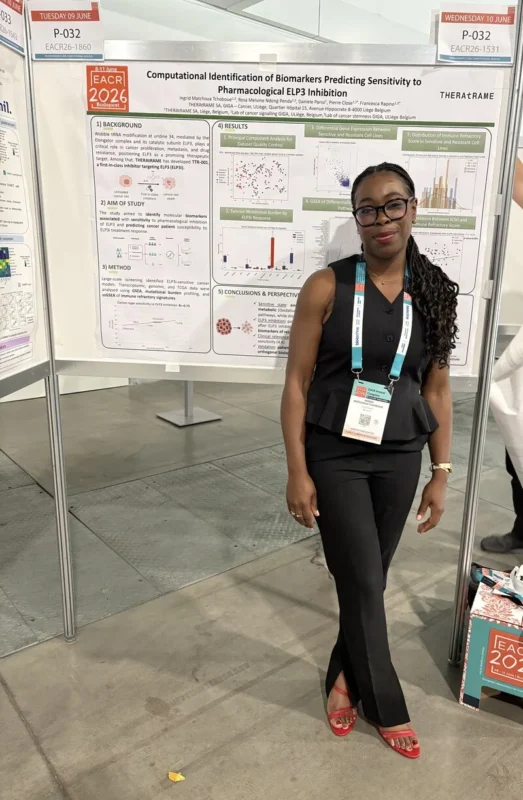
I also presented my PhD project and shared the work we are developing at THERAtRAME on tRNA modifications.
It was a truly enriching experience to engage in discussions and exchange ideas with many fellow researchers.
I would like to sincerely thank my colleague Rosa Melvine Ndong Penda, my supervisors Francesca Rapino and Pierre Close, and the entire THERAtRAME team for their support.”
“Wrapping up an inspiring week at EACR 2026 in Budapest.
It was a privilege to present our work on CD8+ T cell dysfunction in brain metastasis during the Award Winners Special Session, and to engage with talented researchers from across academia and industry.
What I enjoy most about meetings like EACR is the opportunity to exchange ideas across disciplines. Many of the most exciting conversations happen outside the lecture theatres, where different perspectives are shared.
I am leaving Budapest with new scientific ideas, valuable connections, and renewed motivation to better understand how we can improve cancer research and prevention.
Thank you to the European Association for Cancer Research (EACR), The Mark Foundation for Cancer Research, the organizers, speakers, and attendees for a fantastic meeting.
Looking forward to continuing the conversations and collaborations!”
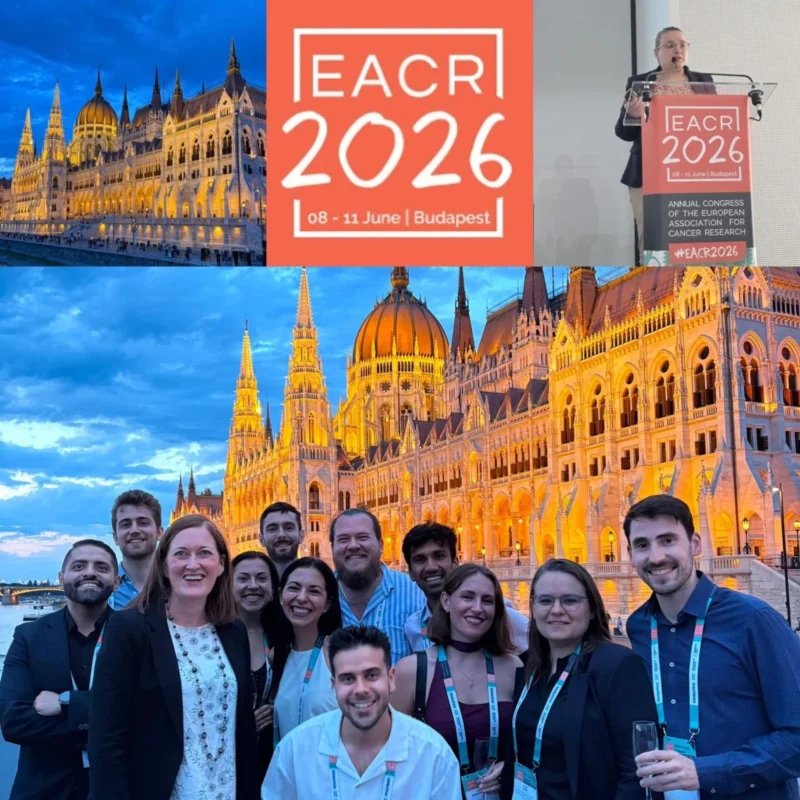
“I had the pleasure of attending the European Association for Cancer Research (EACR) Congress this year, and it was a truly rewarding experience.
It was inspiring to be surrounded by so many talented researchers and clinicians, sharing exciting discoveries and discussing the future of cancer research.
The quality of the science was exceptional, and every session offered new perspectives and ideas.
One of the highlights was having the opportunity to attend the congress with my colleagues Elena Benidovskaya, Engy Vigneron, Philippine Bruno, and Sébastien Ibanez. Sharing this experience together made it even more special and provided many opportunities for discussion, learning, and inspiration.
I am especially grateful for the chance to reconnect with friends and colleagues, meet new people, and strengthen collaborations. In particular, I would like to mention Andrea Giuseppe Toscano — from being lab mates during our Bachelor’s studies, to moving for our Master’s together, and now attending this amazing conference together.
These moments remind us that science advances not only through discoveries, but also through the relationships and connections we build along the way.
Thank you to everyone who contributed to making this congress such a valuable and inspiring event.
I am returning home with fresh ideas, new collaborations, and great enthusiasm for the work ahead. Looking forward to meeting everyone again next year!”
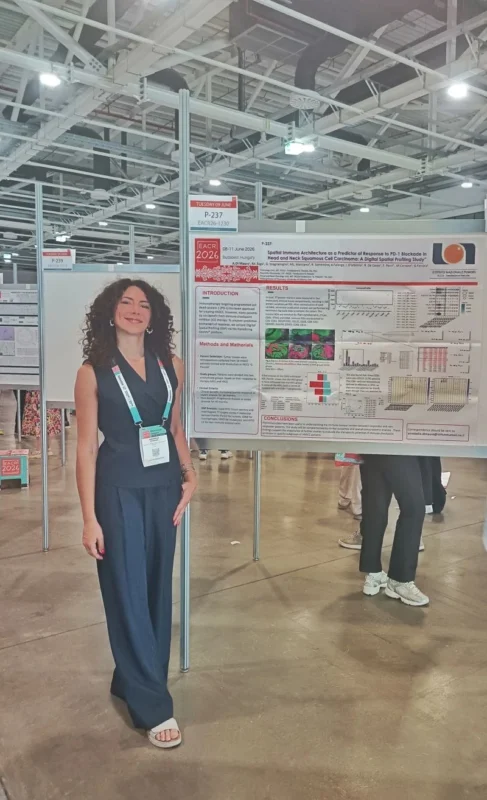
“Proud to have presented our poster at the European Association for Cancer Research (EACR) Congress in Budapest, held from June 8–11, 2026.
Our study explored the spatial proteomic landscape of the tumor microenvironment in patients with head and neck squamous cell carcinoma (HNSCC) treated with anti-PD-1 immunotherapy, highlighting potential biomarkers associated with treatment response.
It was a valuable opportunity to share our research, exchange ideas with the international scientific community, and gain new insights into cancer immunology and translational oncology.”
25 Posts Not To Miss From EACR 2026
Written by Nare Hovhannisyan, MD