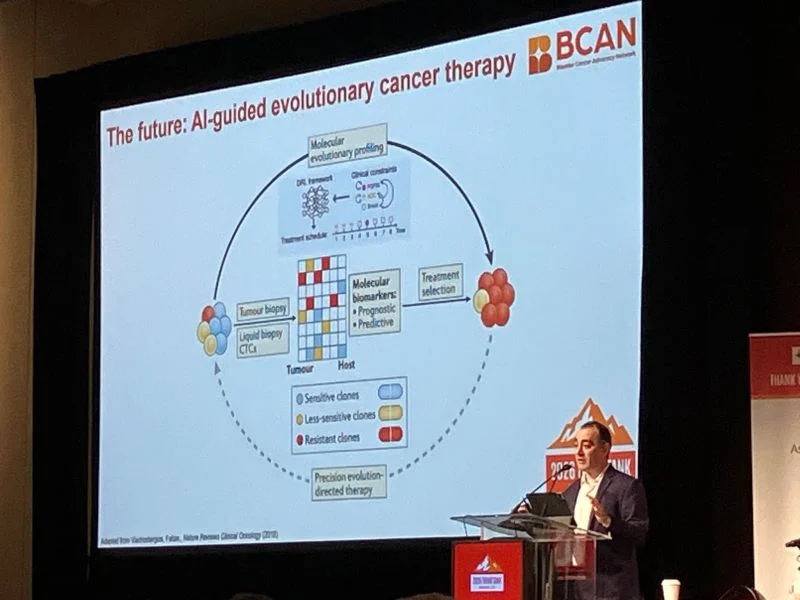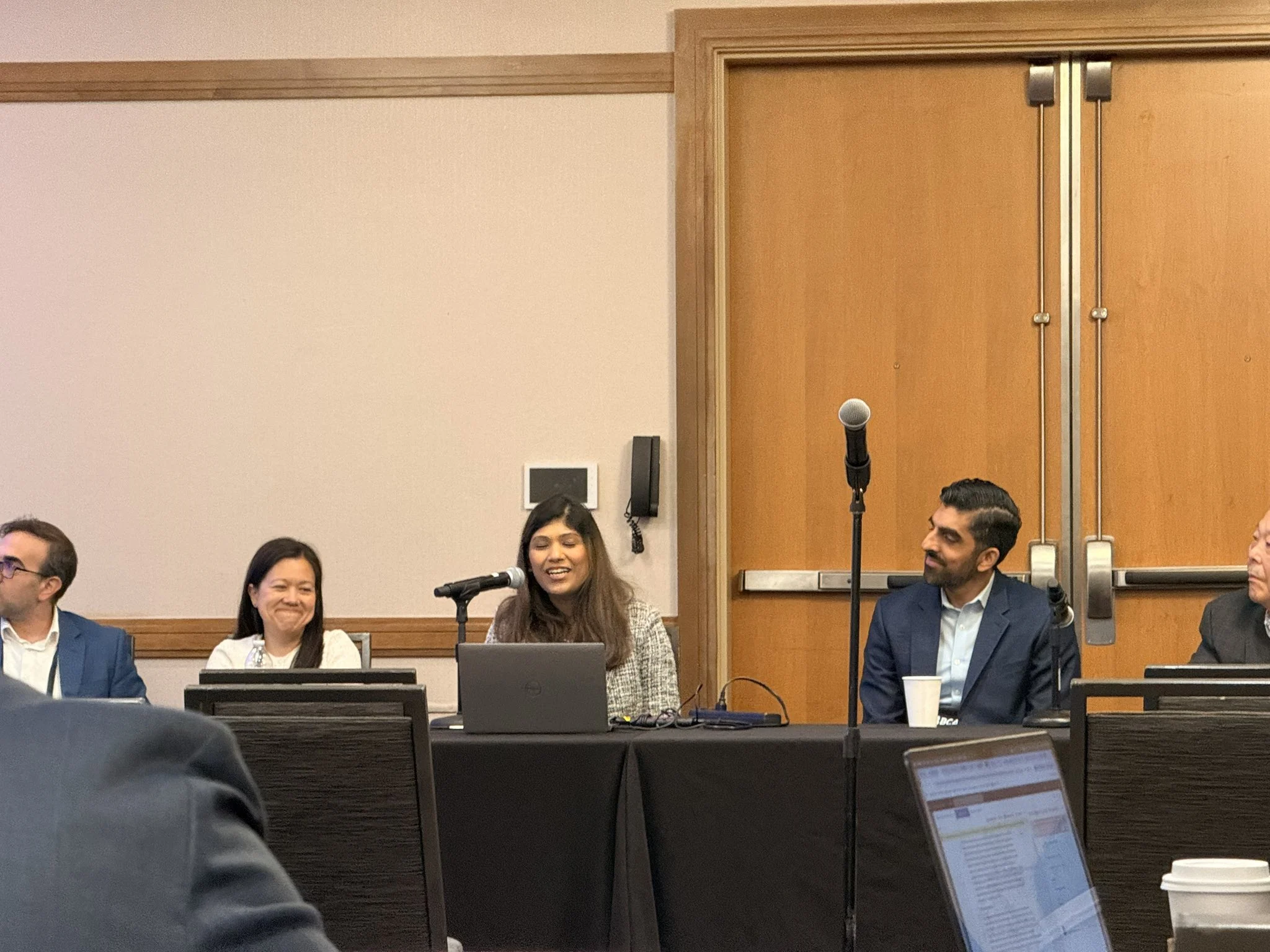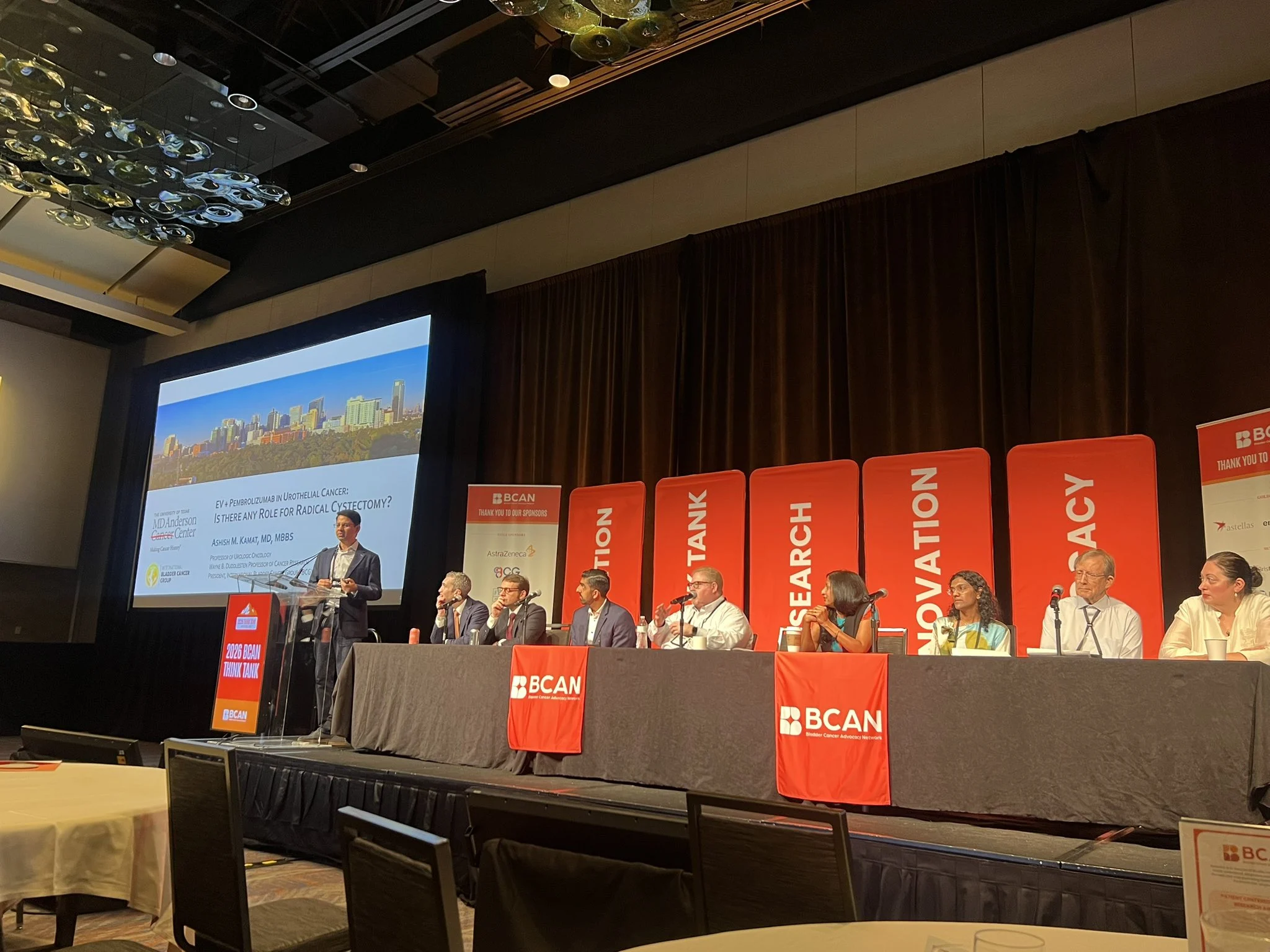
Bladder Cancer Advocacy Network Think Tank 2026 (BCANTT26) is an annual scientific meeting organized by the Bladder Cancer Advocacy Network (BCAN) that brings together leading researchers, clinicians, patient advocates, and industry partners to discuss the latest advances in bladder cancer research and care. The conference focuses on fostering collaboration, sharing emerging scientific discoveries, and accelerating the development of more effective prevention, diagnosis, and treatment strategies for bladder cancer.
Below are the key takeaways, clinical reflections, and major highlights shared directly by participating doctors and experts throughout the conference.
Bishoy Morris Faltas:
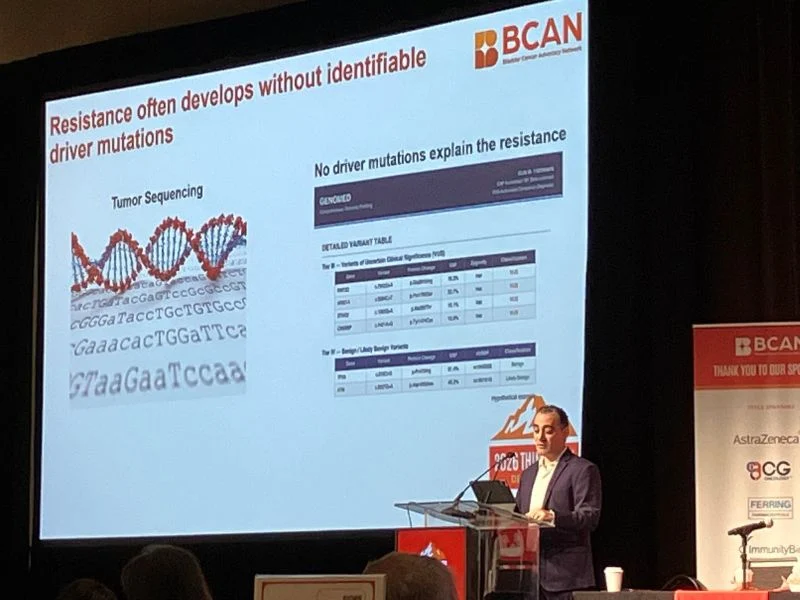
“Grateful for the opportunity to share our research with colleagues and friends, all united by a common goal and brought together by Bladder Cancer Advocacy Network
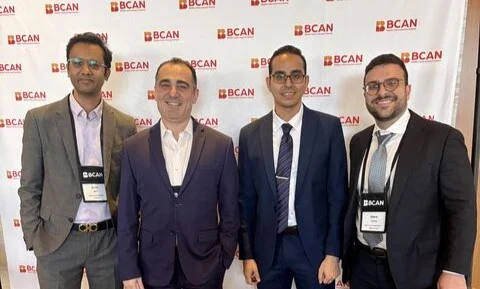
BCANTT26 was one for the books for the Faltas Lab with trainees Mohamed Osman and Mark Farha giving excellent presentations and Rahul Singh and Jaekwon Kim awarded Young Investigator awards.
Grateful for the support and the collaborative spirit. Returning energized, full of new ideas and excited to continue our work to benefit patients with Bladder Cancer everywhere.”
Omar Mian:
“Great breakout session on treatment de-intensification for bladder cancer, less is more! The emphasis on bladder preservation and evolving risk-adapted role of radical therapies is great for patients.”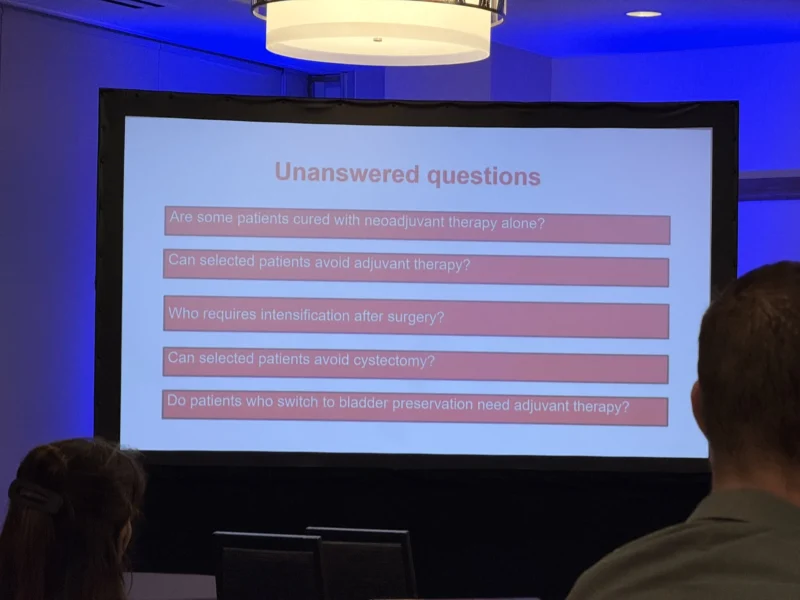
Andrea Apolo:
“BCANTT26 in full swing with breakout sessions focused on science, patients, and clinical data. Trainees posters, and outstanding clinical practice panels.”
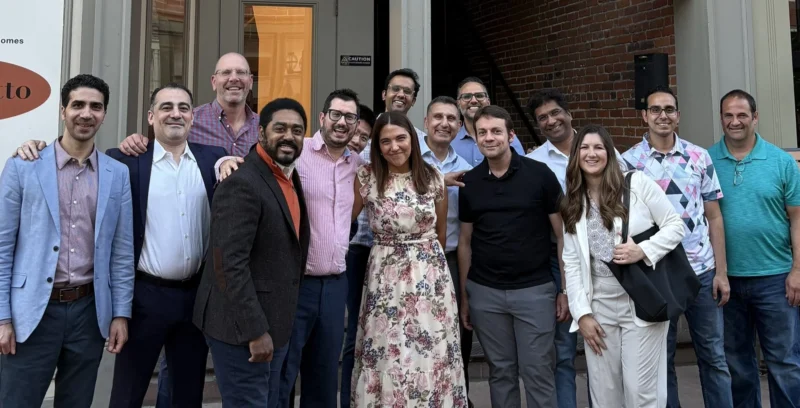
Alan Tan:
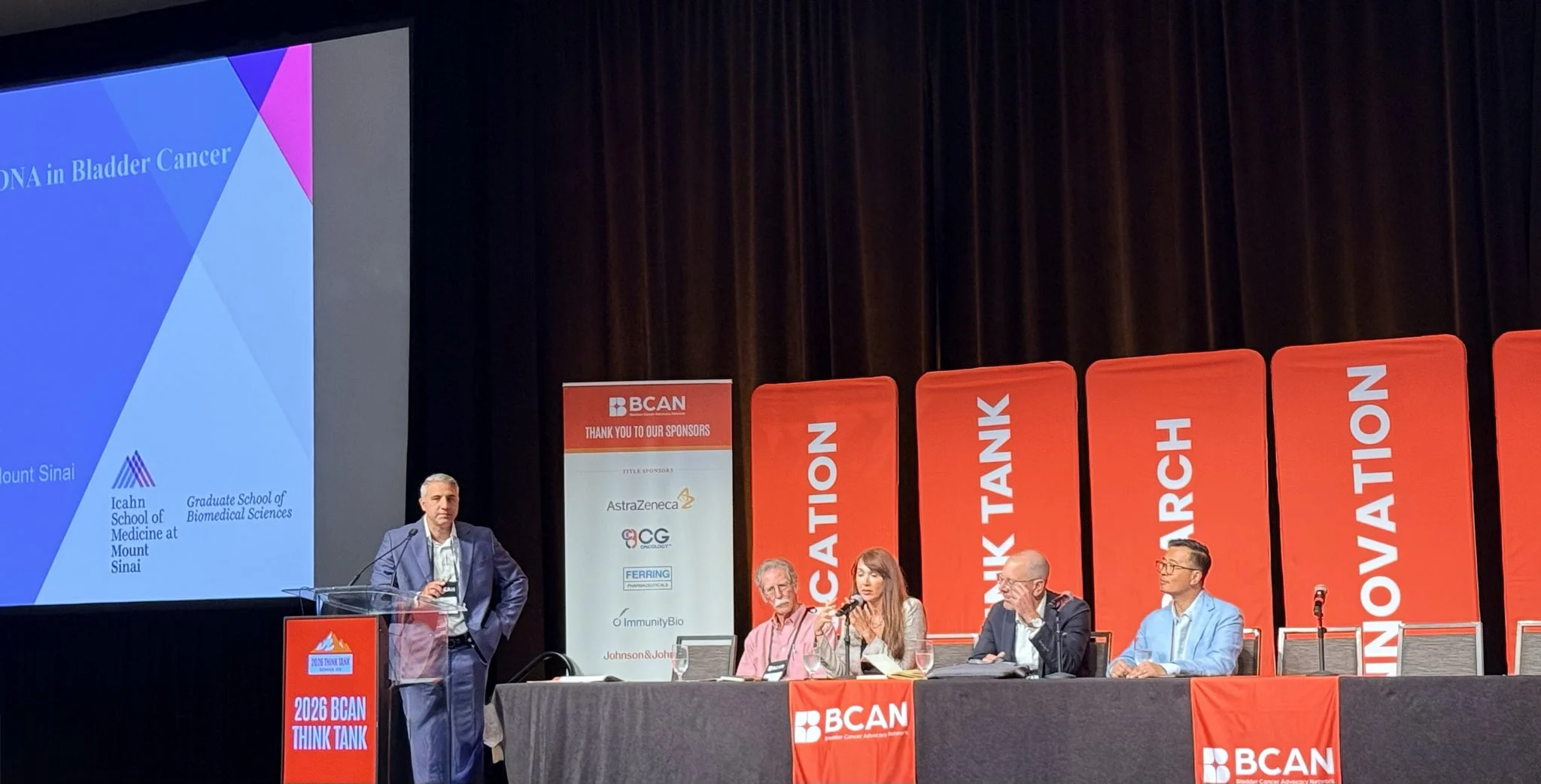
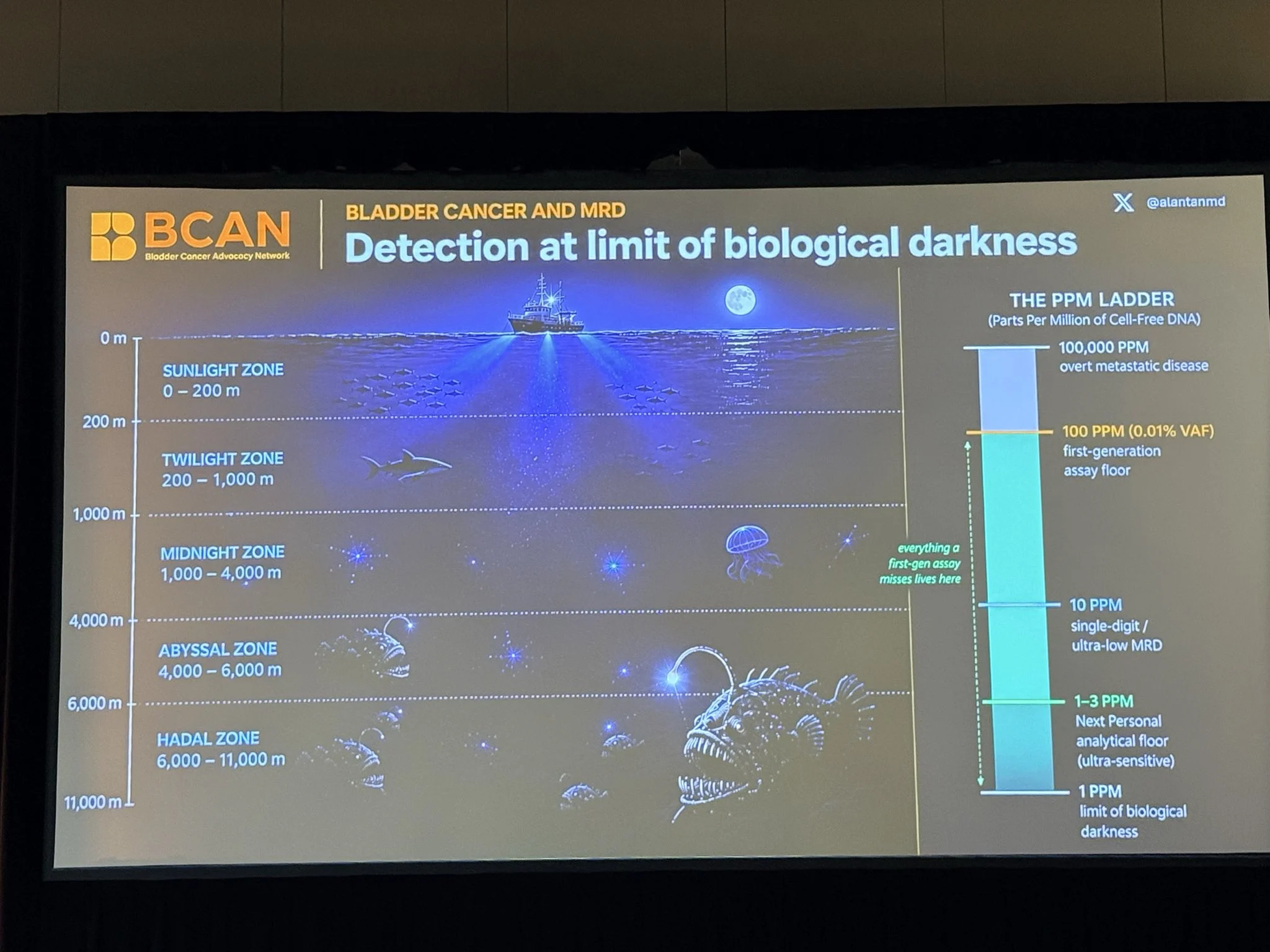
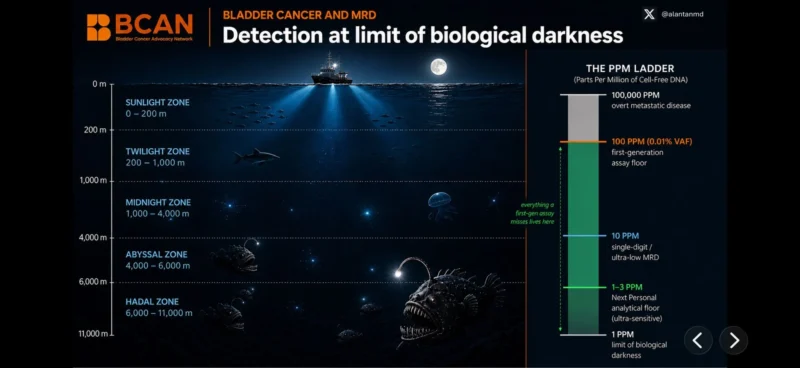
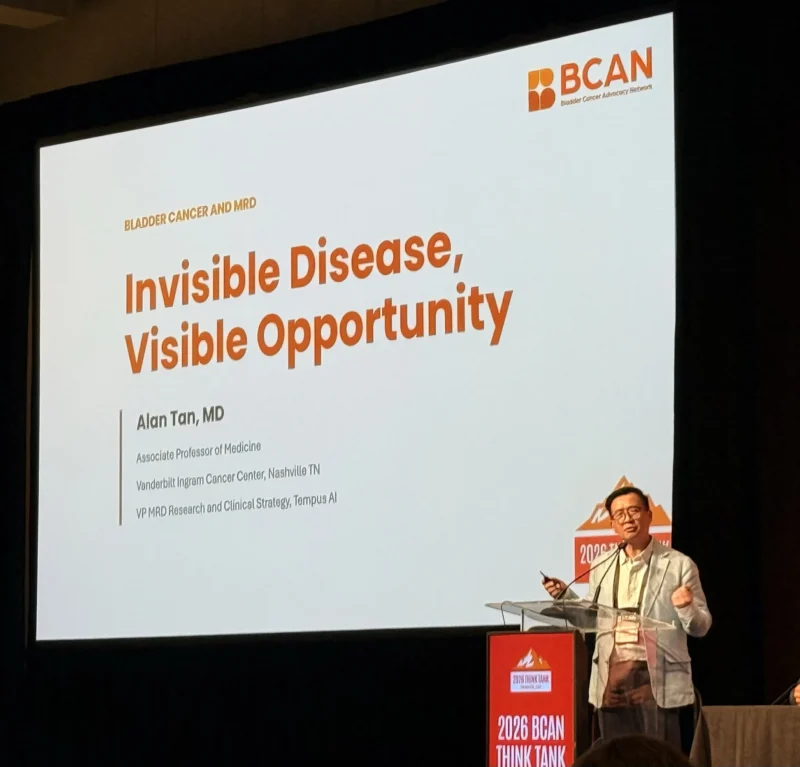
“The BCAN Think Tank is one of my favorite meetings of the year. So much is happening in bladder cancer. Our systemic therapies are knocking it out of the park. Our ultrasentive MRD tests Personalis, Inc. Tempus AI are helping us see deep into the limit of biological darkness, where the so called ‘anglerfish’ lurks….. detection threshold down to 1.67 ppm is meaningful, and I was privileged to share my experience with an engaging audience of urologists, med oncs, rad oncs, and patient advocates.
Patients will be offered novel strategies to de-escalate when we think we got it all, and intensify biologically when molecular disease remains. More patients will preserve their bladders and self image.
We can’t do this without ctDNA and utDNA. This was a recurring theme at BCANTT26. Thanks to Laura Bukaniva and John Sfakianos for organizing a highly engaging session!”
Armine Smith:
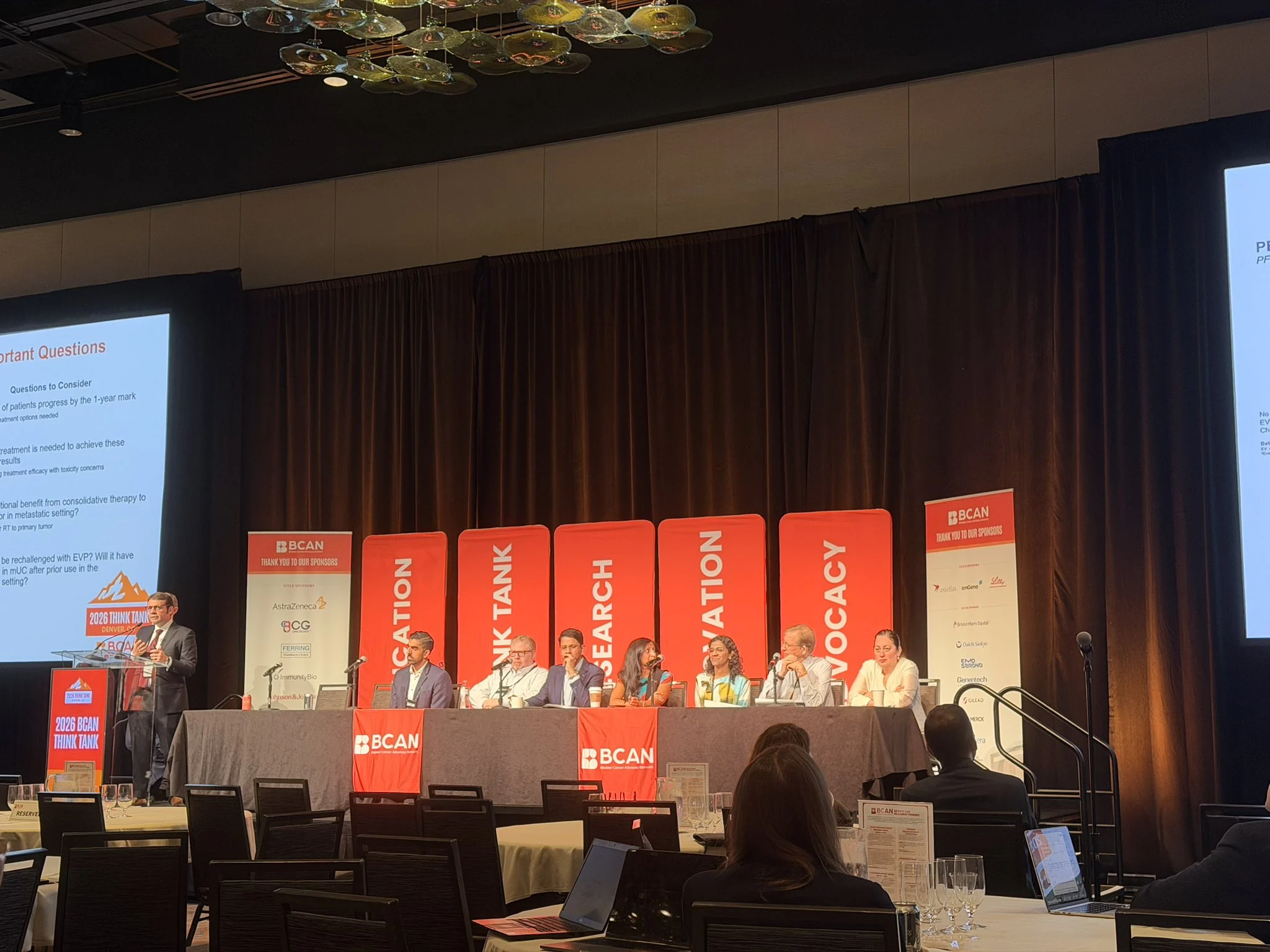
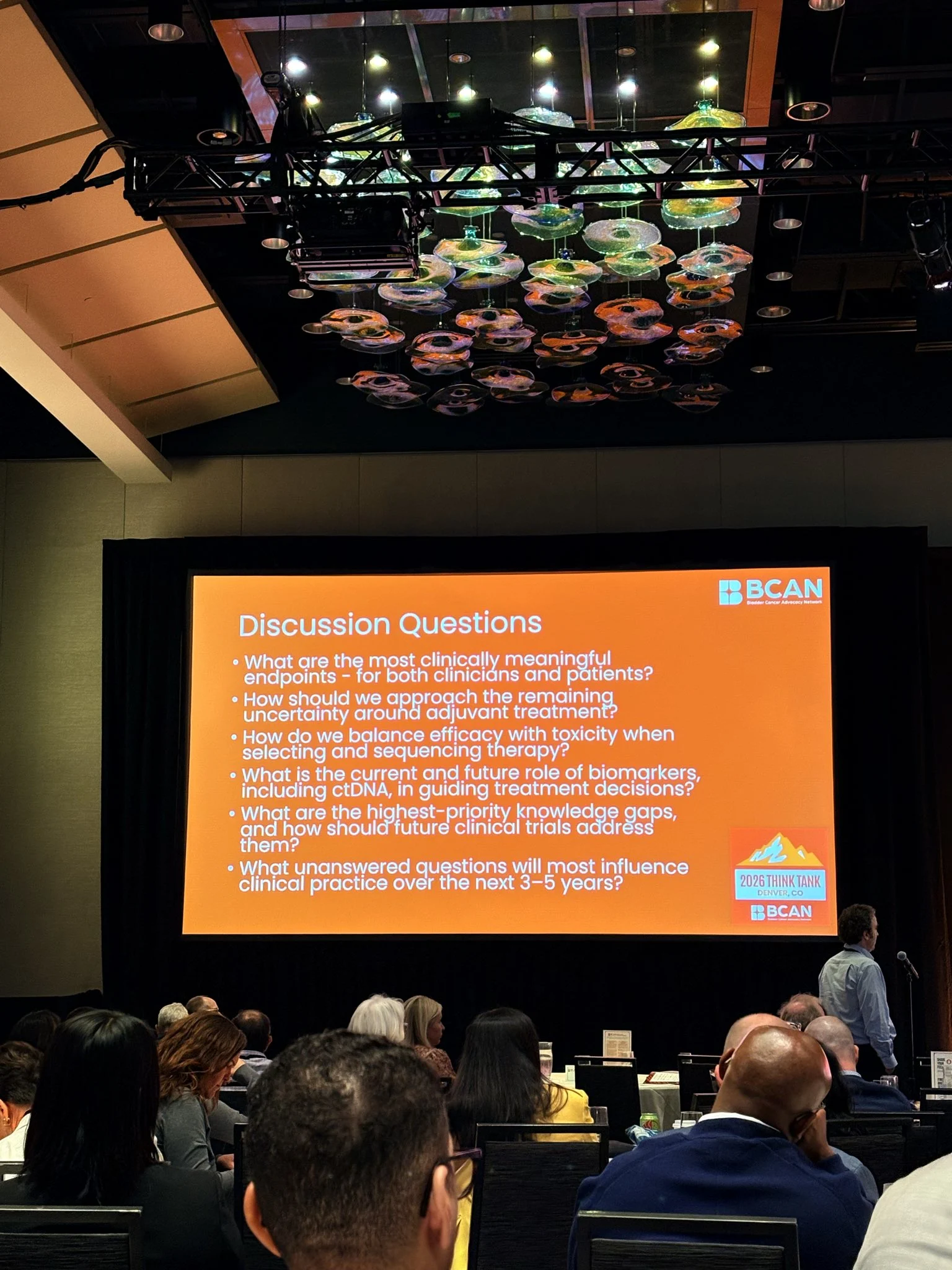
“This slide perfectly captures the questions we’re all trying to answer after neoadjuvant EV/P.
- Who can safely keep their bladder?
- Who needs more therapy?
- How should ctDNA guide treatment?
- How do we maximize efficacy while minimizing toxicity?
Excellent discussion at the BCANTT26.”
Stephanie Berg:
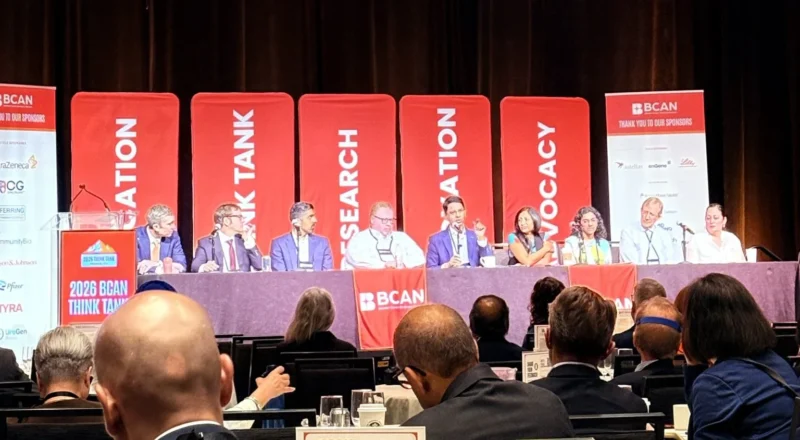
“BCANTT26 discussion of ctDNA in clinical trials by Alan Tan, Laura Bukavina, Kent Mouw, John Sfakianos, essential for personalized treatment selection, monitoring and treatment Ultra sensitive ctDNA = future in solid tumors assays discussed.”
 Katy Beckermann:
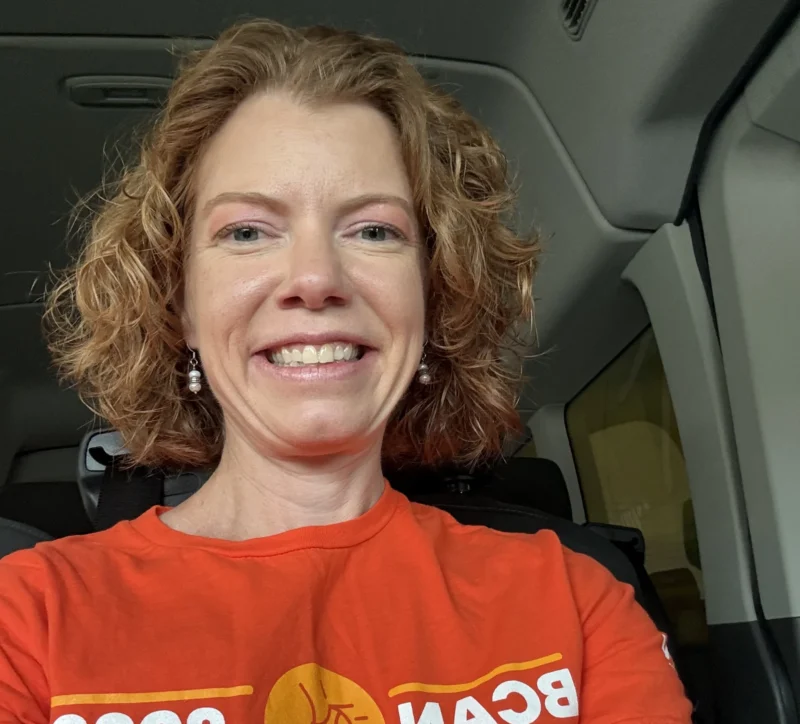
“First time at the Bladder Cancer Advocacy Network Think Tank, and I’m excited for the format: a meeting driven by patients that puts experienced and new experts in one room to brainstorm the unmet needs. I wore my BCAN walk shirt traveling today, and strangers stopped me to tell me about someone they’d lost to bladder cancer. Those are the patients this whole meeting is for, and it’s the reason the work always feels urgent.
Excited to represent TennesseeOncology and community oncology patients in the discussion. Denver, three days, the field working the hard problems together. Would love to connect, so if you’re here, say hi.”
Brendan Guercio:
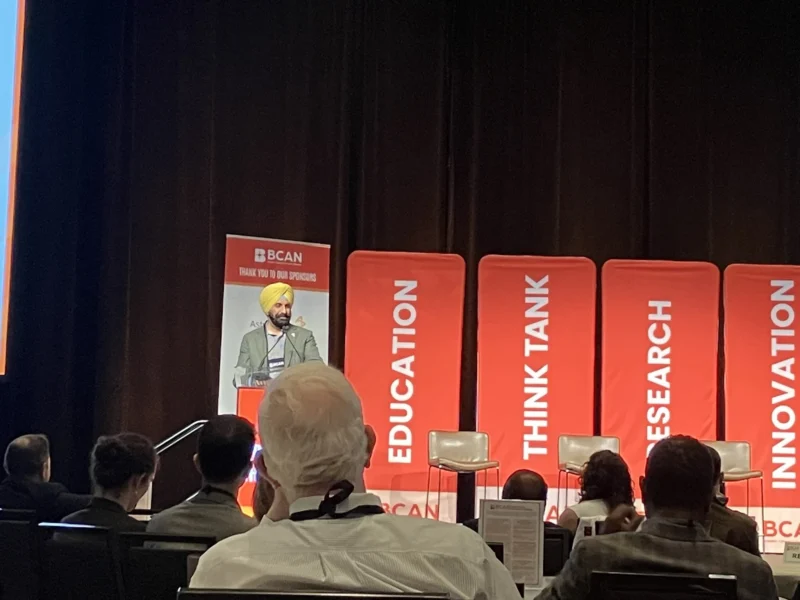
“Excited to kickoff BCANTT26 with Bladder Cancer Advocacy Network! Inspiring open remarks by BCAN CEO Meri-Margaret Deoudes, Co-founder Diane Zipursky Quale, and Meeting Chair Max Kates and Co-Chair Parminder Singh. Every year this meeting highlights fantastic progress in the fight against bladder cancer and points the way to a more hopeful future for so many patients affected by it.”
Andre R. Kydd:
“Bladder Cancer Advocacy Network keeping patients and their experiences front and center. Humbling and inspiring insights as always, and motivation to redouble efforts to make sure we’re meeting patients needs of the whole person and addressing life-changing impacts from care.”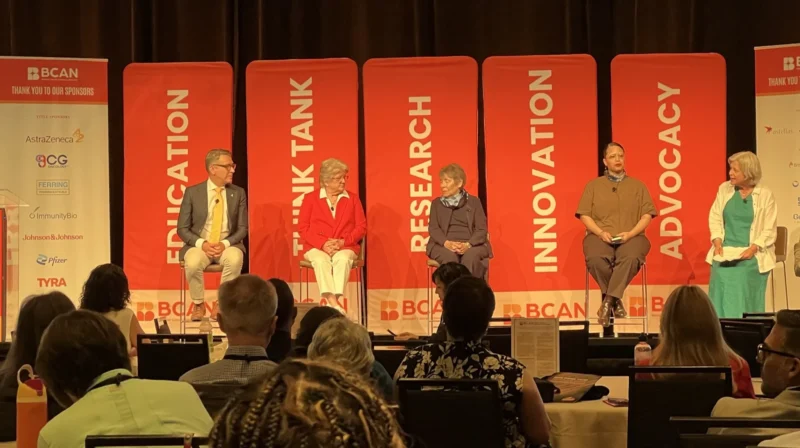
Shilpa Gupta:
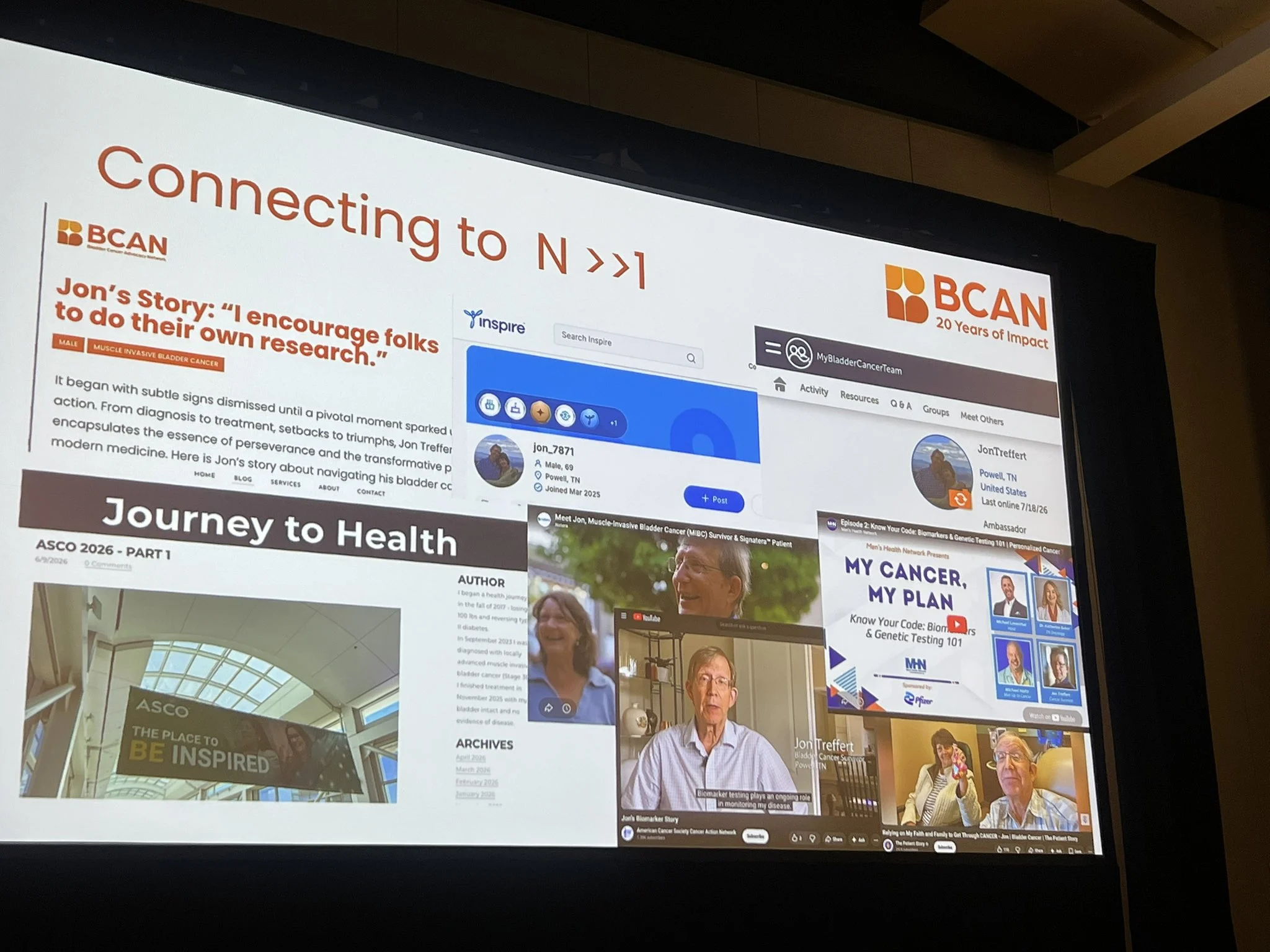
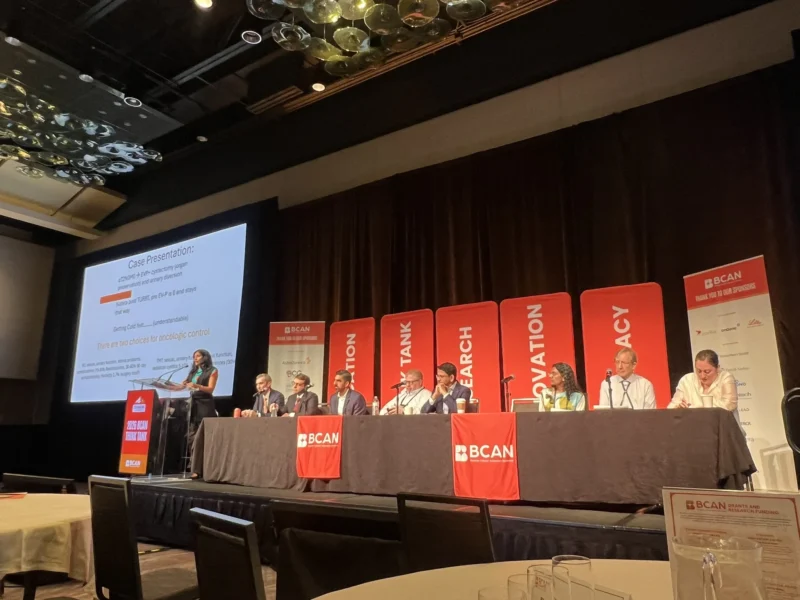
“Kudos to Joshua Meeks, Vadim Koshkin for chairing a phenomenal session on EV-P in UC addressing unmet Qs about optimal Tx duration, consolidative strategies, bladder preservation, ctDNA etc. Amazing speakers Jonathan Rosenberg, Ashish M. Kamat, Sima Porten and most importantly patient advocate Jon Treffert. Important Qs that will drive the next generation of trials to advance the field!”
Laura Bukavina:
“The future is so bright incredible YIA presentations this morning BCANTT26 focusing on AI dig path, EV/P biomarkers, drivers of tx resistance in Micropapillary single cell resolution and burden of extra chromosomal and outcomes.”
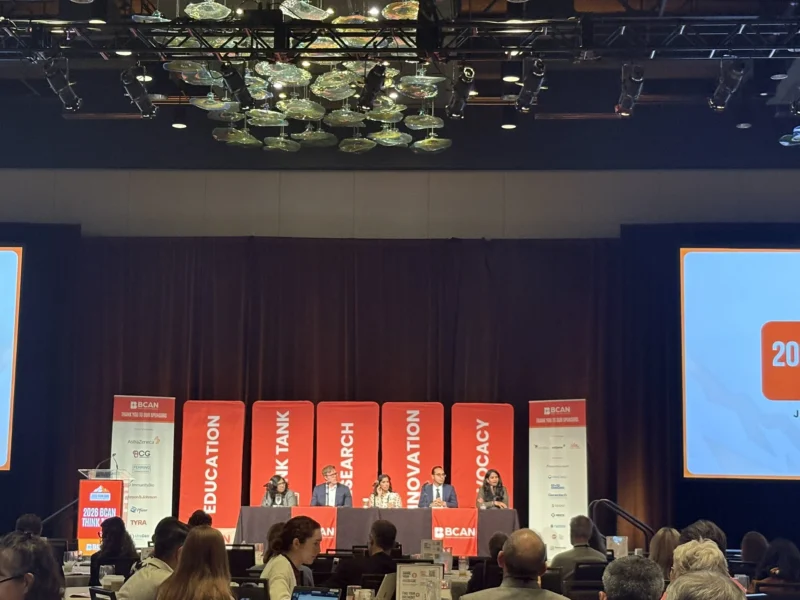
Parminder Singh:
“Max Kates and Petros Grivas BCAN young investigator awardees looking at EV P response and resistance using AI models and immunephenotype.”
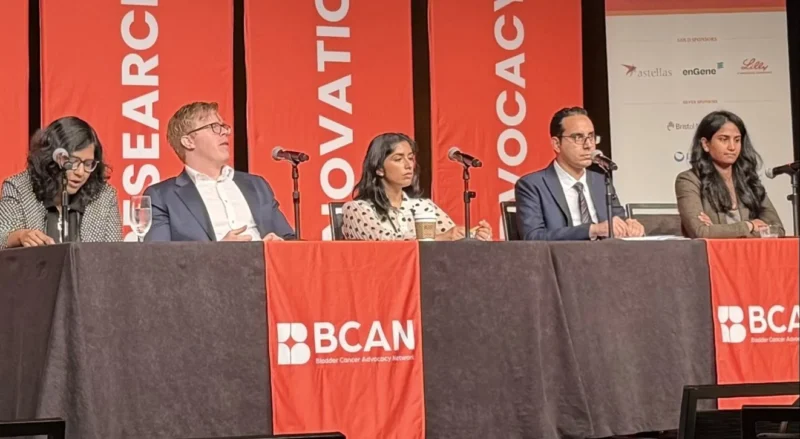
Petros Grivas added:
“I agree with Parminder Singh. Present is bright and future will be brighter with amazing talent, Bladder Cancer Advocacy Network, thanks for so elegant work everyone!”
Ashish M. Kamat:
“Proud to see Roger Li pushing the field into new territory. Combining intravesical cretostimogene with systemic nivolumab in cisplatin-ineligible MIBC, a phase 1b showing no DLTs, no new safety signals, and a 42.1% pCR rate in the per protocol population. Congratulations, Roger. Excellent work.”
Karine Tawagi:
“Excellent panel on the changing landscape of EVP BCANTT26
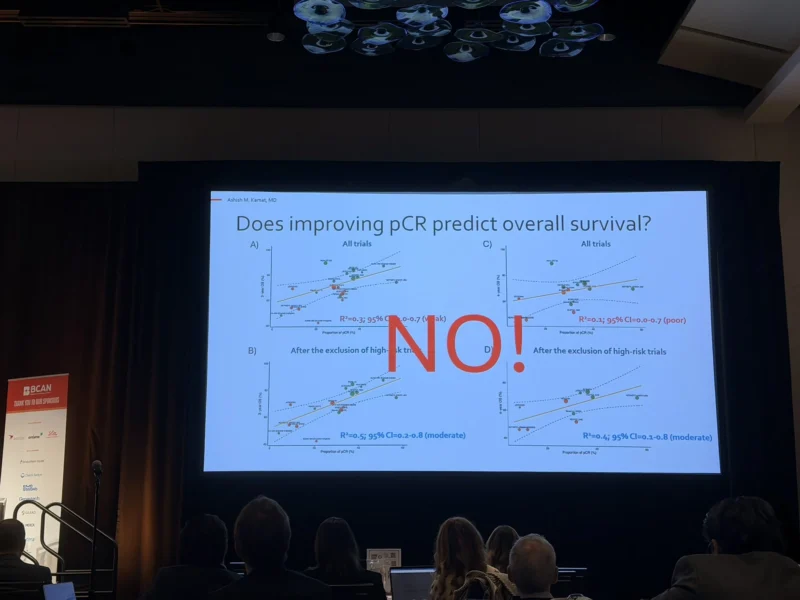
Important to remember pCR doesn’t necessarily translate into improved OS, the survival benefit of EVP is in the context of cystectomy prospective bladder preservation trials ongoing inc EV209, EV309, Hoosier cancer, BRIGHT, SWOG.
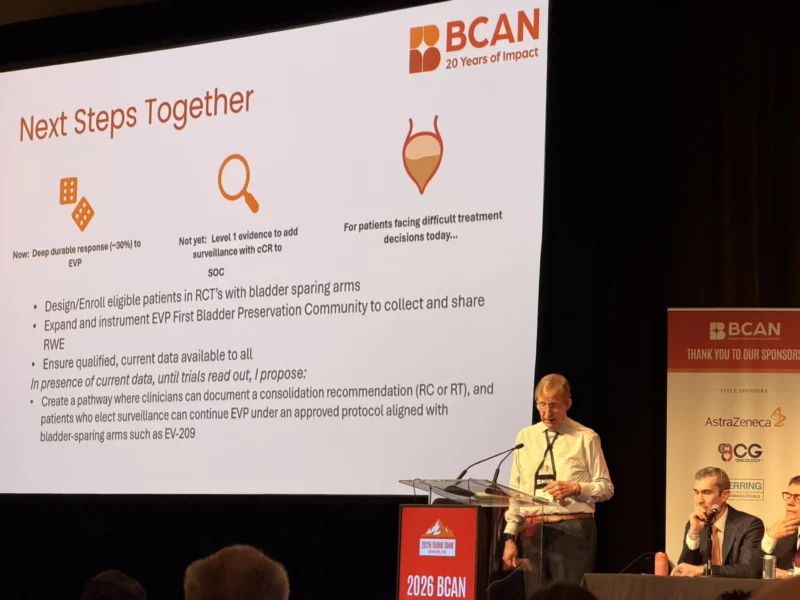
Incredibly important points by pt advocate John Treffert – asks to:
- expand the EVP First Bladder Preservation Community RWE
- until ongoing trial results read out, choosing surveillance should remain on EV+P under an approved protocol aligned with bladder-sparing trial arms.”
Written by Astghik Harutyunyan.
You can also explore:
Enfortumab Vedotin–Pembrolizumab Improves Survival in Cisplatin-Eligible Bladder Cancer