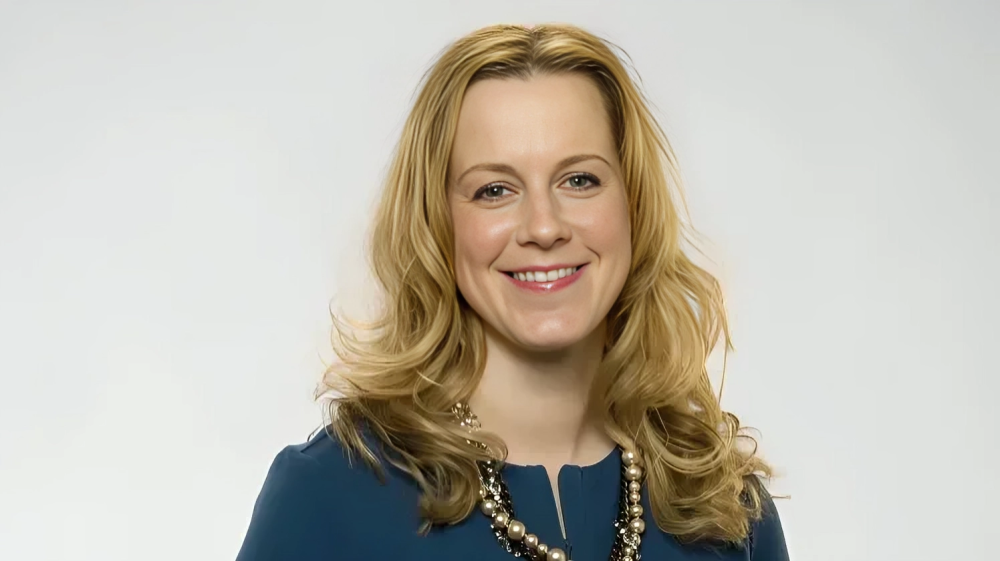
Erika Hamilton, Chief Development Officer, Late Phase and Director, Breast Cancer Research Program at Sarah Cannon Research Institute, shared on LinkedIn:
“Depression and psychological stress made the biggest difference in whether survivors experienced fatigue up to two years after chemotherapy started!
Title: Long-Term Fatigue After Treatment for Breast Cancer
Authors: Nancy E. Avis, Nathaniel S. O’Connell, Shannon L. Mihalko, Jennifer H. Jordan, Amy C. Ladd, Glenn J. Lesser, Kristine C. Olson, Kathryn E. Weaver, Emily V. Dressler, Pamela J. Grizzard, Beverly Levine, Tonya L. Moore, Bonnie Ky, Mary Helen Hackney, Peter Brubaker, Kerryn W. Reding, Alexander R. Lucas, Moriah P. Bellissimo, F. Gerard Moeller, Dalane W. Kitzman, Craig A. Hamilton, Heidi D. Klepin, Joseph Yeboah, William Ntim, Vlad G. Zaha, Ralph D’Agostino Jr., W. Gregory Hundley
Read the Full Article
It’s not heart disease, it isn’t damage from chemotherapy, it is depression and stress! The finding comes from the UPBEAT study, which began recruiting in 2017 to determine why patients with bcsm experience cardiovascular dysfunction, exercise intolerance and fatigue after treatment.
Takeaway? Assess depression and psychological stress closely, and intervene early.
This is why we have started a support group for patients in our clinic at SCRI Oncology Partners”
You can also read: Beyond Anxiety and Depression: Rethinking Mental Health in Cancer Care – CancerWorld