





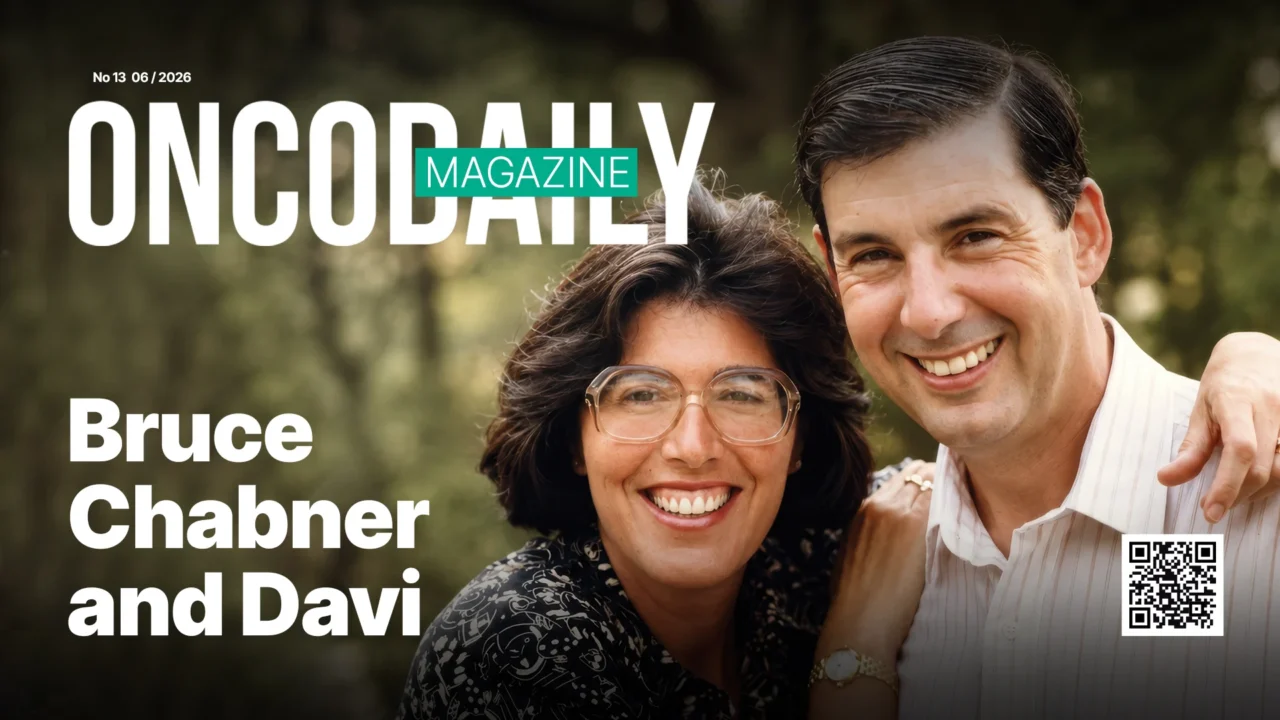
He helped bring Taxol to the world. But his greatest discovery is the army of oncologists he left behind.
He starts with a small town.
“I came from a very small rural community in southern Illinois called Shelbyville. My dad had decided to practice there as a family doctor.”
It was 1940. Shelbyville was a farming community. Bruce Chabner grew up as one of only two Jewish families in town. His father was the local physician, a role that, in those days, meant far more than simply treating illness. The family doctor was a trusted figure woven into the fabric of the community.
One group, in particular, left a lasting impression on him.
“There was a large group of Amish people that lived there,” he recalls. “We became very close with them.”
The relationship became deeply personal when Dr. Chabner’s mother developed a severe form of eczema and left for the Mayo Clinic for treatment.
“My mother went away for nine months,” he says. “My sister and I were basically taken care of by an Amish woman, a young girl who was just barely a teenager at the time. She stayed with my family until she was in her seventies.”
The experience exposed him to medicine in a way that would shape his entire career.
His mother became one of the earliest patients treated with ACTH, a groundbreaking therapy emerging from discoveries that would eventually earn a Nobel Prize.
“She was one of the first people treated with ACTH,” Chabner says. “Her skin condition cleared up overnight, basically.”
The transformation seemed almost miraculous.
“My dad really became interested in the use of steroids in his practice,” he recalls. “I used to hear about that, as well as some of the newer antibiotics that were being developed at that time.”
Looking back, he sees those moments as formative.
“I was really exposed at a very early age to this whole issue of drug development and how drugs could have an impact on disease and clinical practice.”
That fascination would become the central theme of his life.
A Farm Boy at Yale
Shelbyville was a wonderful place to grow up, but Bruce Chabner’s father worried that the local education would eventually limit him.
“My father said, well, you can either go to Chicago and go to high school for four years or leave Shelbyville after three years.”
He chose the latter.
At seventeen, he left Illinois and headed east to Yale.
The transition was dramatic.
“It was really a cultural shock,” he says. “Half the kids were from prep schools, from wealthy families. They had traveled. They dressed differently. They were world-wise. And I was sort of a wide-eyed farm boy going out there.”
The adjustment was easier than he expected.
“I adjusted pretty quickly,” he says. “It turned out I was a good student, which made a big difference.”
Yale broadened his horizons far beyond medicine.
One of his most memorable academic projects focused on the Paris Peace Conference following the First World War.
For an entire year, he immersed himself in archives examining how the Middle East had been divided among global powers.
“I wrote a long paper on the Paris Peace Conference in 1918 and 1919 and the disposition of Middle Eastern territories,” he says.
The story resonated personally.
Much of his family had fled Eastern Europe during periods of upheaval and persecution.
“My mother came to the United States in the 1930s,” he says. “So it was quite pertinent to me as a personal history.”
The project revealed something that would characterize much of his later scientific work: an instinct to look beneath events and understand the mechanisms driving them.
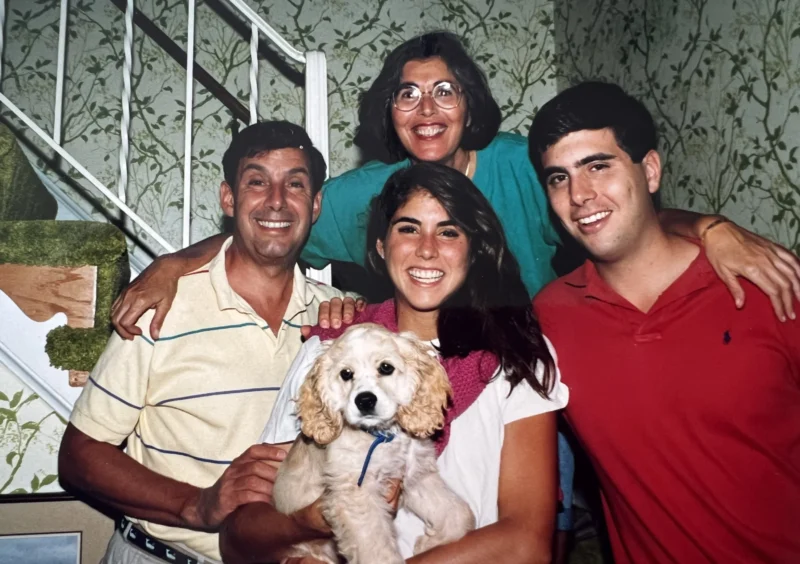
Discovering Science
Medical school initially disappointed him.
“I was quite disappointed because there was so much memorization,” he says.
Anatomy, in particular, held little appeal.
“I didn’t like anatomy. I thought it was sort of dissecting all this stuff and trying to figure out the course and relations of nerves.”
Instead, he gravitated toward biochemistry.
Research soon became more exciting than memorization.
As graduation approached, another influential figure entered his life. The dean of Harvard Medical School strongly encouraged young physicians interested in academia to spend time at the National Institutes of Health.
“He said, ‘You must go there if you want to have an academic career.’”
At the time, NIH was becoming the epicenter of biomedical research in the United States.
Bruce Chabner followed the advice.
“I loved NIH,” he says.
The decision changed everything.
The Folate Years
After NIH, Chabner completed additional clinical training at Yale, where he joined the laboratory of Joseph Bertino.
“Joe was a wonderful person, a great mentor, friend, and family friend,” he says.
The partnership launched decades of work.
“I got very involved with folate and antifolate research, and it continued for the next thirty years afterward.”
One early project would eventually influence how oncologists manage methotrexate toxicity today.
“We purified an enzyme called carboxypeptidase and gave it to patients,” he recalls.
Initially, the goal was entirely different.
“We hoped to produce folate deficiency.”
The approach failed to eliminate leukemia, but the experiment revealed something unexpected.
“What it ended up doing was cleaving methotrexate.”
The discovery opened a new avenue.
“I sort of imagined, well, this is a way of dealing with those people that have renal failure and can’t get rid of the drug.”
At the same time, Bruce Chabner was studying high-dose methotrexate toxicity.
“We did some experiments in monkeys that showed that the drug was precipitating in the kidneys.”
Those findings led directly to practices that have since become standard.
“We showed that you had to alkalinize and hydrate to prevent that from happening.”
From there emerged another innovation.
“We developed a whole business about monitoring blood levels for early detection of trouble in patients.”
The work reflected a theme that would define his career: understanding not only whether drugs worked, but why they worked, why they failed, and how to make them safer.
Gene Amplification and Resistance
Drug resistance fascinated Dr. Chabner.
For many investigators, resistance represented failure.
For him, it represented a biological puzzle.
“We became very interested in mechanisms of resistance,” he says.
One discovery particularly captured his imagination.
Researchers had begun showing that cancer cells could amplify genes under therapeutic pressure.
“We found the first patient who became resistant to antifolates because of gene amplification,” he recalls.
The patient was a young man from the United States Naval Academy with lymphoma.
At the time, these observations provided some of the earliest evidence that cancers could actively evolve in response to treatment.
Today, the concept seems obvious.
Then, it was revolutionary.
A Receptor Nobody Expected
In 1986, Bruce Chabner’s group cloned what they believed was a major folate transporter.
It turned out to be something different.
“It was called the folate receptor.”
At the time, the finding seemed scientifically interesting but not transformative.
“We never imagined what would happen.”
Decades later, the same molecule became the basis for targeted therapies.
Researchers discovered that the receptor was highly expressed in ovarian and lung cancers. Antibodies were developed against it. Cytotoxic drugs were attached.
“The antibodies to this thing are now hooked to a maytansine derivative,” Chabner says. “It’s an antibody-drug conjugate which is approved.”
The journey from basic biology to approved therapy embodied the unpredictable nature of drug development.
Often, discoveries made for one purpose become important for entirely different reasons.
The National Cancer Institute
Eventually, Chabner became Director of the Division of Cancer Treatment at the National Cancer Institute.
The position placed him at the center of American cancer research.
“I had a wonderful time there,” he says.
His division oversaw cooperative groups, clinical trials, drug development, and intramural clinical research.
The timing was extraordinary.
The modern era of cancer therapeutics was beginning to take shape.
“I was there twenty-six years in total,” he says.
But when Dr. Chabner talks about those years, he rarely focuses on himself.
Instead, he talks about the people.
“Many wonderful fellows came through the program and went out and established great clinical programs elsewhere.”
By the time he left, oncology training programs had flourished across the country.
“We were no longer unique.”
For Bruce Chabner, that was success.
The purpose of a great institution is not to remain indispensable.
It is to create others.
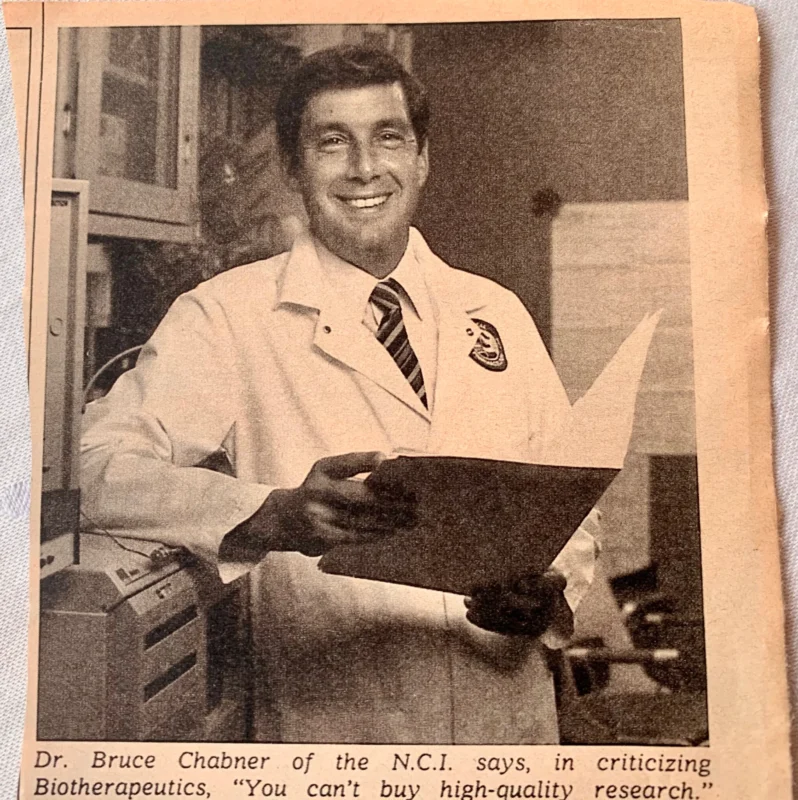
Taxol
If one drug symbolizes Bruce Chabner’s career, it may be paclitaxel.
Today, Taxol is woven into the fabric of modern oncology.
Its path to patients, however, was anything but straightforward.
“It turned out that an extract from the Pacific yew tree contained a product that was very potent as an antitumor agent.”
The problem was formulation.
“There was no way of putting it into solution.”
The drug was suspended in a notoriously difficult vehicle that produced severe hypersensitivity reactions.
“Nobody wanted it.”
At the same time, another promising anti-mitotic drug, maytansine, was failing.
“I ran that trial. It was a disaster. The drug was toxic as hell.”
Taxol suddenly looked much more attractive.
Researchers began seeing responses.
First in melanoma.
Then in ovarian cancer.
Then in breast cancer.
“And suddenly they had a huge drug.”
Bruce Chabner helped shepherd the therapy through development and licensing.
Looking back, he still sounds slightly amazed by its trajectory.
“It really was successful.”
The success of paclitaxel transformed cancer treatment worldwide and helped establish the taxane family as one of the most important classes of anticancer drugs ever developed.
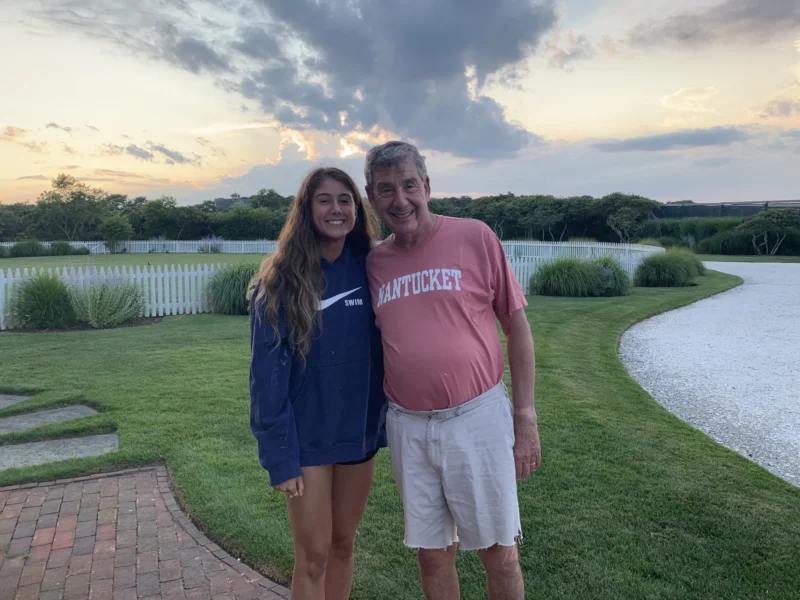
Building Massachusetts General Hospital Cancer Center
After twenty-six years at the National Cancer Institute, Bruce Chabner faced a choice.
He had passed retirement age in the Public Health Service. Academic oncology was changing rapidly. New cancer centers were emerging across the country.
Then came an offer from Massachusetts General Hospital.
“They said to me, ‘Come back here. We want to start a cancer center.’”
What existed at the time could hardly be called a cancer center.
“They had seven infusion chairs in the middle of a hallway of a back building someplace,” he recalls.
Medical oncology occupied a peripheral role. The institution was dominated by surgeons and basic scientists. Most cancer patients were referred elsewhere.
“They had three solid tumor oncologists who were in private practice. Then they had hired a couple of young people from Dana-Farber. And that was our cancer center.”
Many would have seen the situation as impossible.
Dr. Chabner saw opportunity.
“I knew that the hospital had a great resource in terms of the patients it was seeing in surgery and radiation therapy. They were sending them all out.”
He accepted the challenge.
Looking back, he laughs.
“I was sort of foolish.”
The reality was far more complicated than simply recruiting oncologists.
“When I came to MGH, there was a lot of skepticism,” he says. “The surgeons were questioning, ‘Do we really need medical oncology? Why is it so important?’”
The basic scientists had their doubts as well.
“They were saying, ‘What’s the science about cancer? Is it really on par with what we’re doing?’”
And administrators worried about costs.
“We’re spending a lot of money on this. Is it going to pay off?”
The answer would become obvious.
“The numbers were staggering,” Dr. Chabner says. “They invested forty million dollars in my coming, and they made much more than that every year from my presence.”
What followed was one of the most remarkable institutional growth stories in American oncology.
The foundation was education.
“We started off with a common fellowship program,” he says.
Young physicians rotated through the hospital.
“Once those fellows rotated through MGH, they saw opportunities. We had very few faculty. They joined up.”
The recruits were exceptional.
“We had wonderful people.”
By 2000, MGH, Dana-Farber, Brigham and Women’s Hospital, and Harvard’s cancer programs united under a single NCI-designated cancer center.
One of the central questions from reviewers was surprisingly simple.
“Can you all get along?”
For decades the institutions had competed fiercely.
“We had to convince people that, yes, we would cooperate and create a good environment.”
They did.
Today, what began as a handful of physicians has become one of the world’s largest cancer programs.
“I think we started out with something like five people on the solid tumor service and three or four in hematologic disease,” Bruce Chabner says. “Now there are close to two hundred people on the staff.”
New buildings followed.
A major outpatient center.
A new inpatient facility.
And now a dedicated cancer tower.
“It will be fourteen stories,” he says. “It’s almost finished.”
The growth revealed something many hospitals had overlooked.
“Medical oncology became a major financial contributor to MGH, along with Radiation Oncology and Surgery. The potential of medical oncology was not appreciated until several years after I arrived. Together, the cancer services contribute greatly to the financial health of the hospital and led to the construction of the new cancer tower.”
Yet when Dr. Chabner reflects on those years, he talks less about buildings than about culture.
Building a cancer center, he believes, is ultimately about building people.
The Revolution in Precision Oncology
The next chapter arrived unexpectedly. Like many revolutions in medicine, it started with a question.
Why did some patients respond dramatically to targeted therapies while others did not?
One of the first clues emerged from studies of gefitinib.
“It was known that there were some responders,” Dr. Chabner recalls. “But the response rate was only five to ten percent.”
The mystery intrigued investigators at MGH.
“Dan Haber had the idea that maybe there was something unique about these tumors.”
There was.
“It turned out they had mutations in the EGFR receptor.”
At almost the same moment, researchers at Dana-Farber had reached similar conclusions through laboratory studies.
“The papers were published simultaneously.”
A new era had begun.
For the first time, lung cancer could be divided according to molecular drivers rather than appearance under a microscope.
Soon another breakthrough followed.
Researchers began testing crizotinib, originally developed as a MET inhibitor.
Then a Japanese scientist, Hiroyuki Mano, reported a remarkable observation.
Certain tumors carried ALK fusion genes.
These tumors appeared exquisitely sensitive to drugs like crizotinib.
“So we tried it in ALK patients,” Bruce Chabner says. “My God, the responses were dramatic.”
Then came ROS1.
He still remembers a patient who traveled from Africa with extensive lung cancer.
Sequencing revealed a ROS1 alteration. Crizotinib worked again.
“He had a wonderful response.”
Suddenly, lung cancer was no longer one disease.
It was many diseases. Each defined by its biology. Each potentially treatable with a specific therapy.
“We were off and running with all these lung studies.”
The same pattern repeated elsewhere.
Keith Flaherty arrived from Penn and helped transform melanoma through BRAF inhibition.
One discovery led to another.
The age of precision oncology had arrived.
AZT and Another Epidemic
Cancer was not the only disease that shaped his career.
In the 1980s, another crisis exploded across the world.
AIDS.
The epidemic was devastating.
Patients were dying rapidly.
Treatment options were essentially nonexistent.
Within the NCI, scientists began investigating compounds that might inhibit viral replication.
One of them was AZT (zidovudine).
“The first thing that came out from the division I ran was AZT. Sam Broder discovered it, a discovery made possible by the work of NCI’s Bob Gallo in isolating the virus and producing T-cells that would grow in culture” Dr. Chabner says. “But he was in our division, and I helped do that.”
AZT would become the first approved treatment for HIV/AIDS.
For Bruce Chabner, it was another reminder of the power of pharmacology.
A carefully designed molecule could change the course of a disease.
Sometimes even an epidemic.
The People
When asked about success, Bruce Chabner does not immediately mention Taxol.
Or methotrexate.
Or EGFR.
Or ALK.
Instead, he talks about people.
“The friendships are there,” he says.
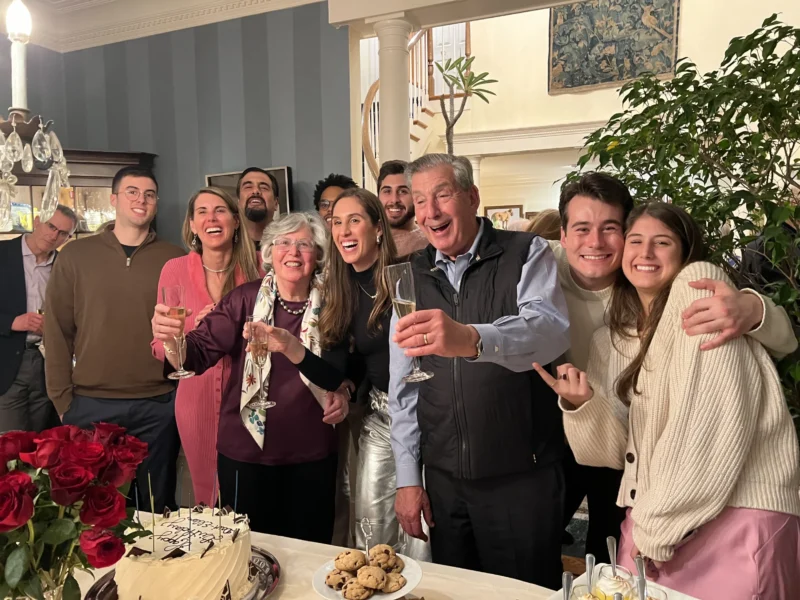
His wife, Davi, sitting nearby during our conversation, immediately offers her own assessment.
“He’s very, very giving to all the people who work for him and who he’s trained,” she says. “He’s very generous.”
Bruce smiles.
“I’m proud of the people. I’m so proud of them.”
One example is Dan Longo, who became Deputy Editor of The New England Journal of Medicine.
“He transformed that journal in terms of publishing all the relevant cancer studies so quickly.”
“David Ryan, now the President of the MGB Cancer Institute, an amazing clinician and leader for the combined MGH/Brigham cancer services.”
But Dan and David are only a few of hundreds.
Over the decades, Bruce Chabner trained generations of oncologists who went on to lead cancer centers, run clinical trials, develop drugs, and mentor their own trainees.
“The people we’ve trained really are the key factor that makes for a successful career.”
Unlike scientific papers, mentorship compounds over time.
“You can do a lot of things yourself,” he says. “Other people have done monumental things and won Nobel Prizes.”
Then he pauses.
“But other people, like myself, have done incremental things. I’ve also logarithmically expanded that through the fellowship programs and the people they’ve trained.”
That multiplication effect may be his most enduring legacy.
Science Under Assault
At eighty-six, Dr. Chabner remains optimistic about cancer research.
But he is concerned.
Not about biology.
About society.
“What would be your advice for young scientists?” I ask.
His answer comes immediately.
“Know science.”
Then his tone becomes more serious.
“And do everything you can to support the integrity of science in the United States, which is under assault.”
He worries about misinformation.
Anti-science movements.
Political interference.
The growing tendency to place ideology above evidence.
“It’s really important that we understand the dangers involved in politicizing science.”
For someone who has spent a lifetime watching discoveries move from laboratory benches to patients’ bedsides, the concern is deeply personal.
Science, he believes, works because evidence matters.
Because expertise matters.
Because truth matters.
Despite the challenges, he remains convinced that medicine remains one of the most meaningful careers imaginable.
“You’re addressing one of the great needs of people and impacting their lives.”
He smiles.
“It’s a wonderful thing to do.”
Who Is Bruce Chabner?
Toward the end of our conversation, I ask him the question I usually ask my guests.
Who is Bruce Chabner?
He thinks for only a second.
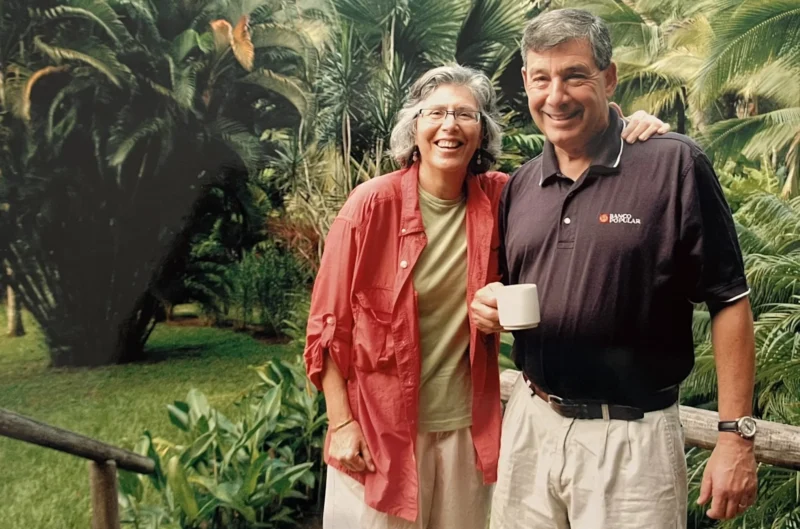
“I’m a Jewish boy from southern Illinois who found a career in cancer research and cancer drug development.”
Then he looks toward his wife.
“And had the good fortune of marrying somebody from New York who had the same values and tolerated my career.”
Davi immediately interrupts.
“Not tolerated,” she says. “Encouraged it.”
The correction makes him laugh.
Perhaps that exchange captures Bruce Chabner better than any biography.
A physician-scientist who helped develop life-saving drugs.
A builder of institutions.
A mentor of generations.
A champion of science.
And, after more than six decades in oncology, someone who still talks about new compounds, new ideas, and new possibilities with the excitement of a young investigator.
At eighty-six, he still attends meetings.
Still follows every important development in cancer drug discovery.
Still teaches.
Still mentors.
Interview by Gevorg Tamamyan, the Editor-in-Chief of OncoDaily and World Health Voices
OncoDaily Magazine, June Issue