





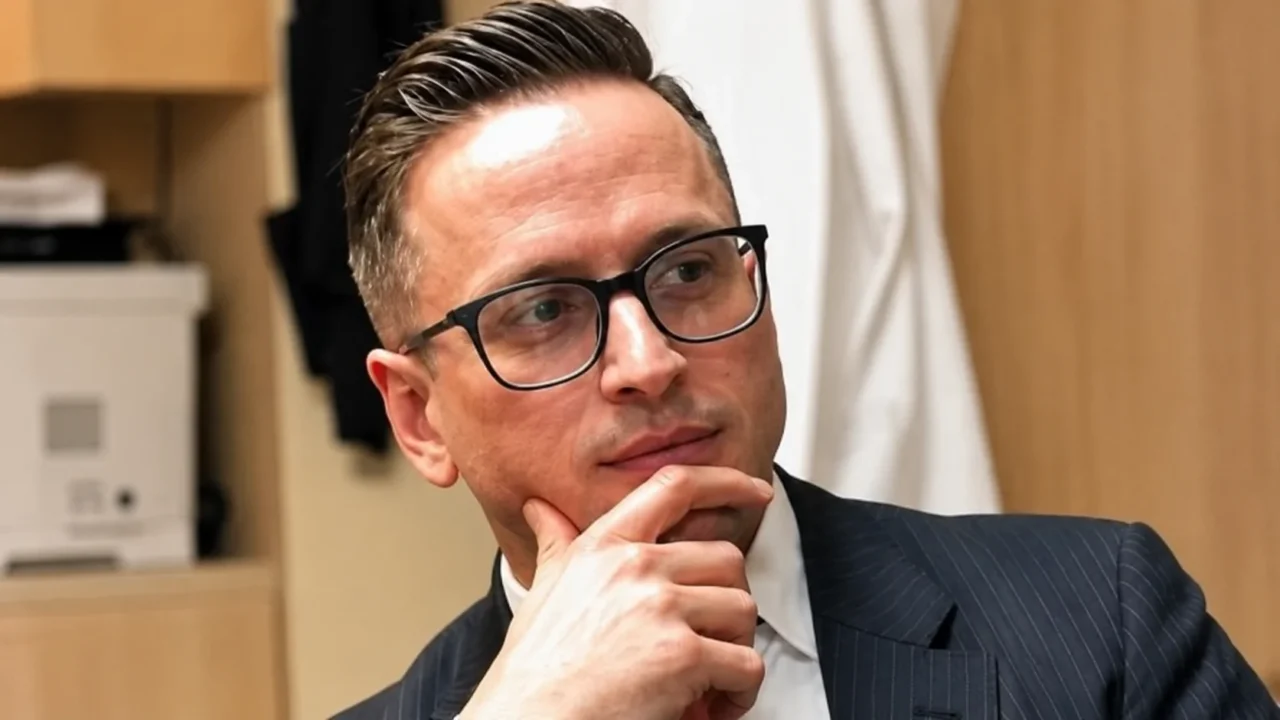
Stanislav Lazarev, Radiation Oncologist, Associate Professor at Mount Sinai Health System, shared on X:
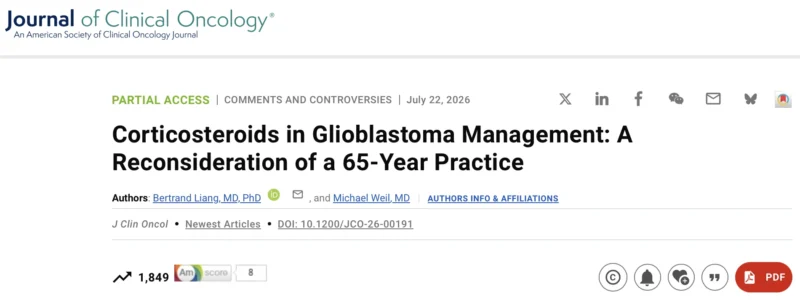
“I find this JCO ASCO article rather puzzling.
Title: Corticosteroids in Glioblastoma Management: A Reconsideration of a 65-Year Practice
Authors: Bertrand Liang and Michael Weil
Read the Full Article
I treat glioblastoma routinely, and the premise that we are routinely giving prophylactic dexamethasone simply does not reflect contemporary neuro-oncology practice – at least not any practice I’m familiar with.
We use steroids when patients are symptomatic from tumor- or treatment-related edema, usually for the shortest period necessary, because they can produce rapid and sometimes dramatic symptomatic improvement. Of course, we recognize the toxicities and taper aggressively when clinically feasible.
The emphasis on infection-related morbidity also feels overstated relative to my clinical experience. Significant infectious complications from short-term dexamethasone are uncommon, and many of us increasingly use steroid-sparing approaches, including Boswellia, when appropriate.
Most puzzling is presenting bevacizumab as a preferable steroid-sparing strategy. Bevacizumab is hardly benign: it carries meaningful toxicity, requires IV infusions and monitoring, and imposes its own burden on patients and quality of life.
Steroids should absolutely be used judiciously. But arguing against a version of clinical practice that many of us don’t actually practice, and then proposing bevacizumab as the safer alternative, makes for a very odd article.”