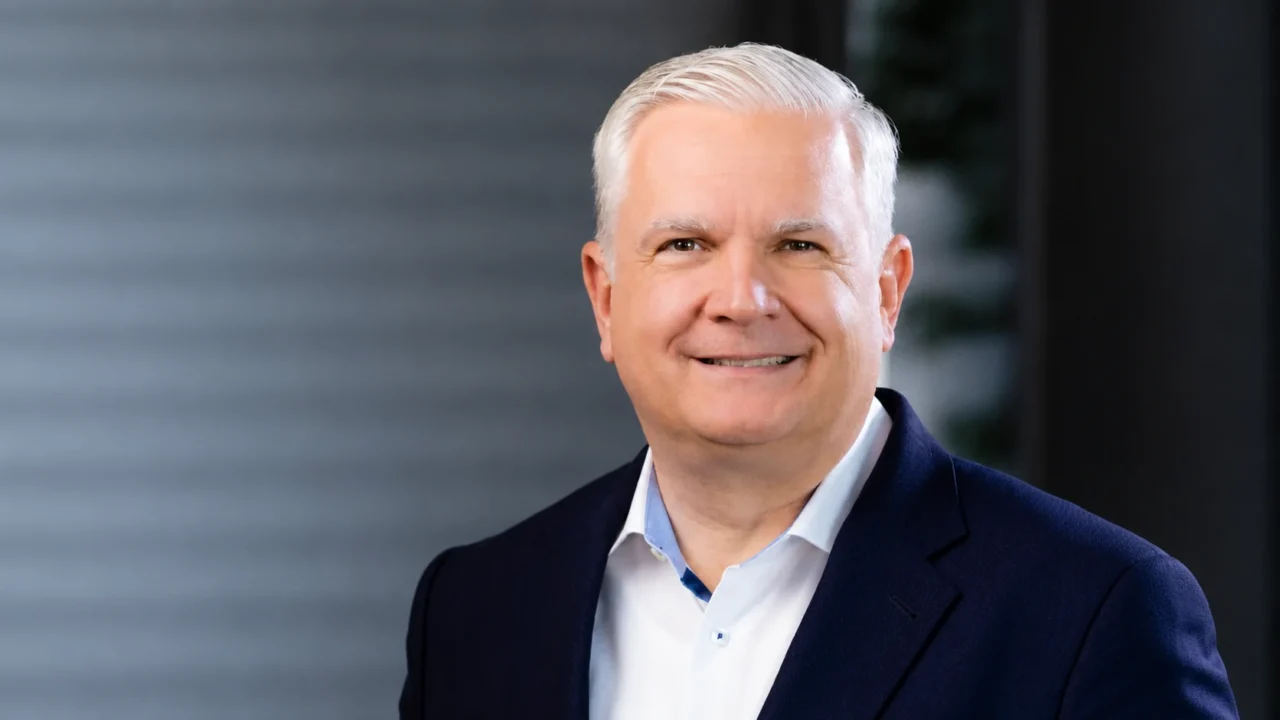
Arthur Kaindl, Head of Varian, shared on LinkedIn:
“Radiotherapy has become more precise than ever. The opportunity now is to turn that precision into greater capacity, helping more patients benefit from high-quality cancer care.
Ahead of World Radiotherapy Awareness Day on September 7, I share some thoughts on how we can unlock more of radiotherapy’s value as healthcare systems face growing cancer demand and constrained resources.
On World Radiotherapy Awareness Day, we celebrate the clinicians, physicists, therapists, nurses, researchers, engineers, advocates, and many others across our industry who have helped make radiotherapy a cornerstone of modern cancer care.
It is also a good moment to ask an important question:
Are we fully leveraging one of the most clinically impactful and cost-efficient interventions in cancer care?
Over the past several decades, radiotherapy has been transformed by innovation. IMRT improved our ability to conform radiation to the tumor. VMAT increased the efficiency of treatment delivery. Better imaging and image guidance strengthened visualization and targeting, while stereotactic techniques enabled clinicians to treat with greater precision and expanded what is possible with radiotherapy.
The progress has been remarkable. But with the global cancer burden rising, we also need to consider the role radiotherapy can play in helping healthcare systems meet that demand.
Approximately half of all patients with cancer will require radiotherapy as part of evidence-based treatment. Yet radiotherapy represents only a relatively small share of cancer care spending. Approximately 7-8% of overall cancer care budgets are allocated to radiotherapy, citing an estimated 7.8% in Europe.
That relationship deserves more attention.
Healthcare systems everywhere are confronting a difficult equation. Cancer incidence is increasing while workforces are stretched, and costs continue to rise. At the same time, expectations for more precise and personalized care are growing.
We cannot solve that equation simply by spending more. We have to get more from the resources, technologies, and treatments available to us.
No single treatment modality will meet the growing cancer burden. But radiotherapy combines significant clinical impact with the potential for increasingly efficient treatment delivery. That makes it an important part of how health systems think about building capacity for growing cancer demand.
For decades, innovation in radiation oncology has made treatment incredibly precise. Today, we have an opportunity to extend the impact of that progress.
Advances such as hypofractionation are shortening some treatment regimens. Precision imaging, adaptive treatment, and AI are creating opportunities to improve targeting and treatment delivery while using clinical resources more effectively. Broader implementation of hypofractionation for breast and prostate cancer could enable an additional 2.2 million patients to receive radiotherapy using existing resources.
Bringing more precise imaging and treatment closer together, combined with more efficient workflows, and greater automation, can help cancer centers treat more patients, reduce unnecessary variation, and bring high-quality treatment to more communities.
The real measure of progress will be how effectively we translate the greater precision of radiotherapy into better outcomes and greater capacity for patients.
Access to radiotherapy remains deeply uneven around the world. In many places, there are simply not enough trained people, infrastructure, or treatment capacity to meet patient need.
Technology alone will not solve that. Investment in people, infrastructure, training, and sustainable models of care will remain essential. AI-powered cancer care innovations can help healthcare providers make better use of those resources and expand what their teams are able to deliver.
World Radiotherapy Awareness Day is a chance to celebrate how far this field has come. It is also a moment to ask what more radiotherapy can contribute. Siemens Healthineers is proud to support this global effort as a Pinnacle Sponsor and to stand alongside the many organizations and individuals working to advance awareness of radiotherapy worldwide.
As healthcare systems confront growing demand and constrained resources, we need to unlock more of radiotherapy’s value as part of multidisciplinary cancer care. Ultimately, that means helping more patients benefit from high-quality treatment.
If we want to meet the growing demand for cancer care, unlocking more of that value should be part of the answer.”
You may also be interested in: Could Olanzapine Change the Way We Prevent Radiation-Induced Nausea?