





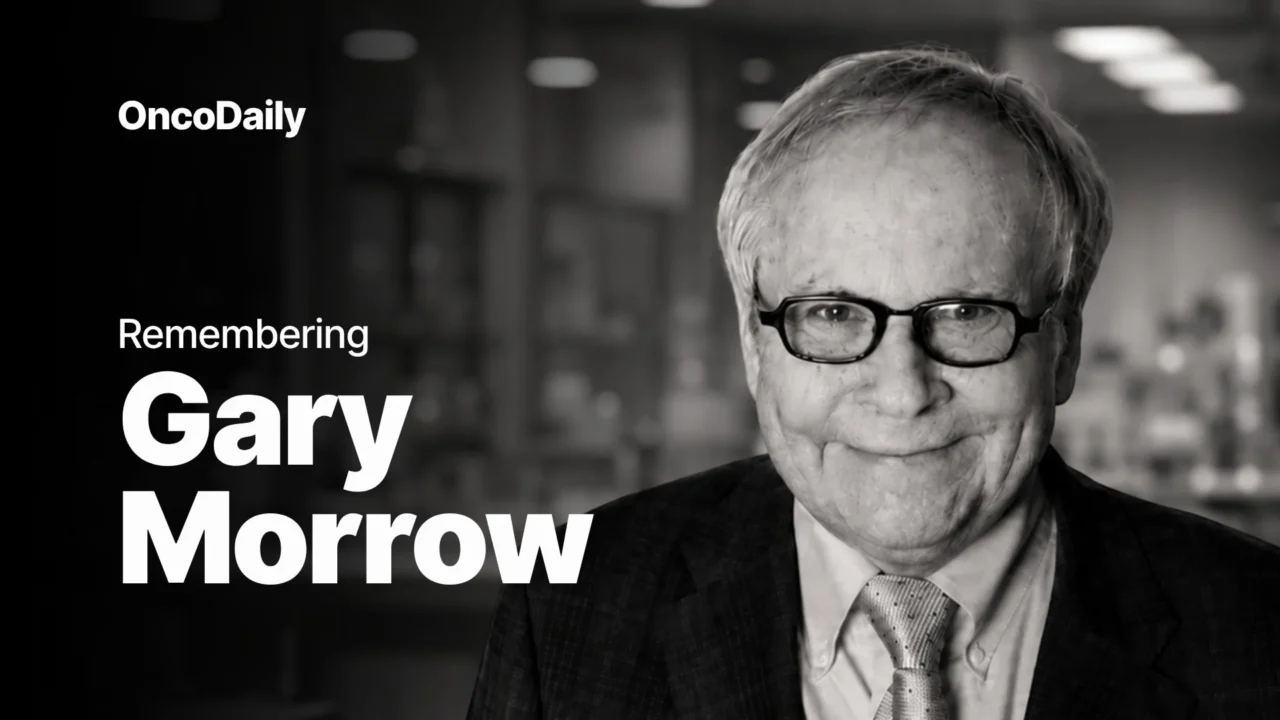
The oncology community is mourning the loss of Gary R. Morrow, PhD, MS, a pioneering researcher whose work transformed the management of cancer treatment–related symptoms.
Dr. Morrow passed away on July 7, 2026, at the age of 82. Over the course of an extraordinary career, he helped establish supportive care and symptom management as essential parts of modern oncology.
Changing How Cancer Treatment Side Effects Were Understood
Gary R. Morrow devoted much of his research to some of the most difficult effects of cancer treatment, including nausea, fatigue, anxiety, and depression.
At a time when severe treatment-related symptoms were often considered an unavoidable part of cancer therapy, his work showed that they could be studied systematically, prevented, and managed more effectively.
The strategies developed through this research improved the quality of life of millions of patients with cancer. They also helped patients remain on schedule, complete planned courses of treatment, and preserve greater independence during therapy.
A Landmark Legacy in Antiemetic Care
Among Dr. Morrow’s most influential contributions was his role in advancing the development and use of effective antiemetic medications.
These treatments brought meaningful relief to patients experiencing chemotherapy-induced nausea and vomiting. They also helped reduce hospital admissions that had once been routinely required to manage severe treatment-related symptoms.
The development of effective antiemetic therapies became one of the most important advances in the history of cancer care. By improving symptom control, these medications enabled many patients to receive full treatment regimens on time, continue working, and maintain active lives throughout therapy.
Building the Foundations of Evidence-Based Supportive Care
Gary R. Morrow also contributed to some of the earliest evidence-based clinical guidance on the use of antiemetic therapy.
Published in the Journal of Clinical Oncology in 1999, this guidance helped provide oncology professionals with a structured approach to preventing and managing nausea and vomiting associated with cancer treatment.
His work supported a broader shift in oncology: symptom management was no longer viewed as an additional component of care, but as an integral part of treatment planning.
Nearly Five Decades of Research and Service
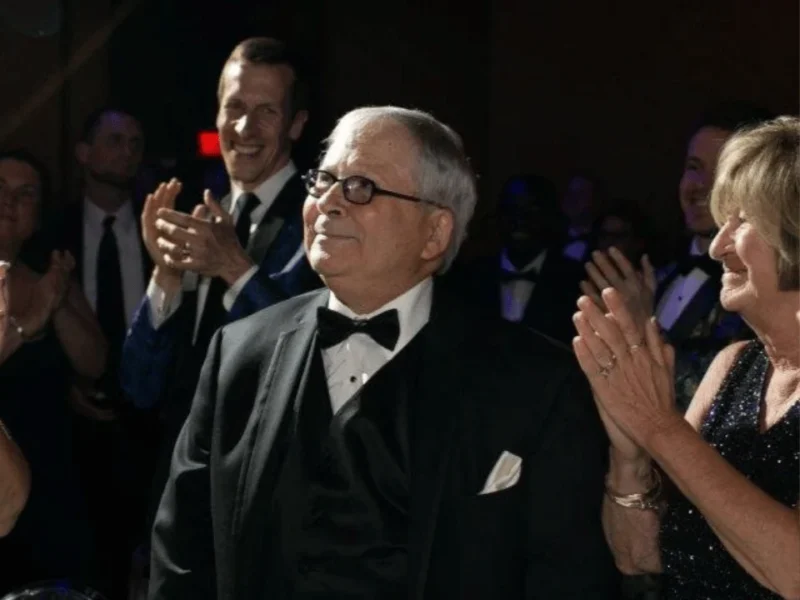
Gary R. Morrow spent nearly 50 years of his career at the University of Rochester Medicine.
Throughout those decades, his research connected scientific investigation with practical improvements in everyday patient care. His work advanced the understanding of how cancer treatment affects patients physically and emotionally, while also identifying strategies to reduce that burden.
His influence extended beyond individual medications and clinical guidelines. He helped reinforce the principle that successful cancer care must address not only the disease, but also the experience of the person receiving treatment.
A Lasting Impact on Oncology
Dr. Gary R. Morrow helped redefine what comprehensive cancer care could achieve.
Through his research, leadership, and commitment to symptom management, side effects that once severely disrupted treatment and daily life became increasingly preventable and manageable.
His legacy remains deeply embedded in supportive oncology. He will be remembered for advancing science, improving clinical care, and helping millions of patients undergo cancer treatment with greater comfort, dignity, and hope.
Written by Nare Hovhannisyan, MD
You can read more in-depth oncology stories on OncoDaily