A global survey of more than 143,000 people suggests that what worries us most does not always match what causes the most harm. But can perceptions of danger help governments make people safer?
Road accidents remain the most commonly identified threat to daily safety worldwide, according to a major international study of how people experience and perceive risk.
About one in seven adults named road-related accidents as the greatest risk to their safety when questioned for the 2026 World Risk Poll. Personal health problems came second, followed by crime and violence.
But the findings reveal a gap between the dangers people worry about and those that cause harm. Produced by the Lloyd’s Register Foundation in partnership with Gallup, the poll draws on more than 143,000 interviews conducted across 140 countries and territories during 2025. It is the fourth edition of the survey, which began in 2019. The findings suggest that some dramatic dangers, including violent crime and wildfires, generate high levels of concern relative to the number of people reporting direct harm. Other hazards, such as unsafe workplaces, contaminated food and polluted air, may receive less attention even where harm is widespread.
How perceptions of danger differ around the world
Concerns differed sharply across regions. Road accidents were the most commonly mentioned risk in six of the 15 regions examined. Crime and violence topped the list in Latin America and the Caribbean and in Southern Africa, where 35% of respondents identified it as their main safety concern.
In Eastern Europe, war and terrorism ranked first, reflecting the continuing effects of the war in Ukraine. Environmental and climate-related risks were most prominent in Eastern Asia, while mental health featured more strongly in Australia and New Zealand. In the United States and Canada, 9% named politics as the greatest threat to their daily safety. No two regions had exactly the same three leading concerns.
The findings show that perceptions of risk vary widely around the world. What people fear is shaped not only by exposure to danger, but also by income, wellbeing, local events and the information surrounding them. People assessed as “thriving”, for example, were more likely to identify road accidents as their principal concern. Those with lower levels of wellbeing were more likely to see economic insecurity and personal finances as threats to their safety. For many people, safety is also closely linked to financial security. For many respondents, the inability to meet basic financial needs appears to be experienced as a form of personal danger.
Food and water harm reaches record levels
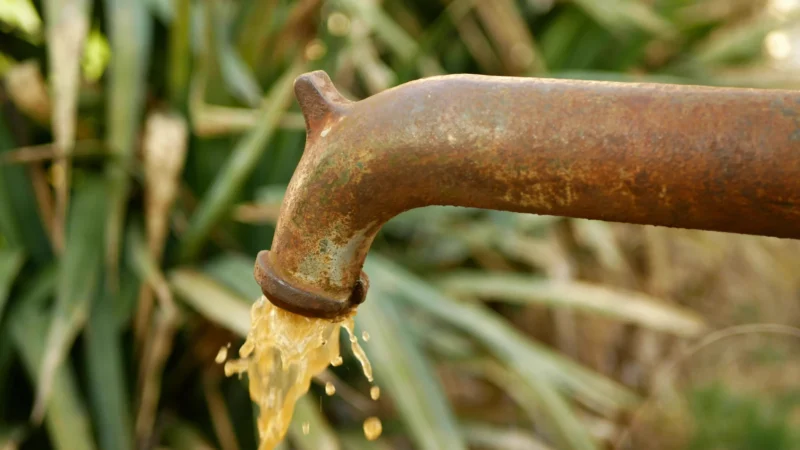
While workplace safety has shown some improvement, the report points to a less encouraging trend in two of the most ordinary parts of daily life: eating and drinking. 14% of adults said they had been seriously harmed by food during the previous two years, while 13% reported harm from drinking water. Both figures are the highest recorded since the poll began.
The report says the global changes are partly influenced by results from China. Excluding China produces smaller increases, an important qualification when interpreting the worldwide figures. Nevertheless, the findings suggest that progress in food and water safety cannot be assumed. Workplace harm moved in the opposite direction as 16% of the global workforce reported experiencing serious harm at work in the previous two years, down from 18% in 2023 and 19% in 2021. Despite the decline, the report estimates that about 610 million workers were affected. It also finds that harm is distributed unevenly. Workers with less education and those whose households could survive for only a short period without income were more likely to report being harmed.
In wealthier countries, working hours appeared to play an increasingly important role. Concern about workplace harm rose sharply among those working more than 50 hours a week, particularly among employees who already reported low levels of wellbeing. (page 22). This suggests that workplace harm is not always physical. Long hours, stress and psychological pressure can also take a toll on workers.
When danger becomes normal
The report also identifies a pattern it describes as “risk habituation”.
Normally, concern rises as danger gets closer. People who know somebody who has been harmed tend to be more worried than those without such experience, while people who have personally suffered harm are generally more concerned still. But among respondents who had both experienced harm themselves and knew somebody else who had been affected, worry sometimes declined.
The pattern was particularly visible for wildfires and prolonged weather events such as droughts and heatwaves. The report suggests that repeated exposure may make danger feel ordinary. People may adapt psychologically to risks they cannot easily avoid, especially when they have limited power or resources to protect themselves.
Why concern about polluted air remains low
Air pollution provides the clearest example of the divide between measured exposure and public concern.
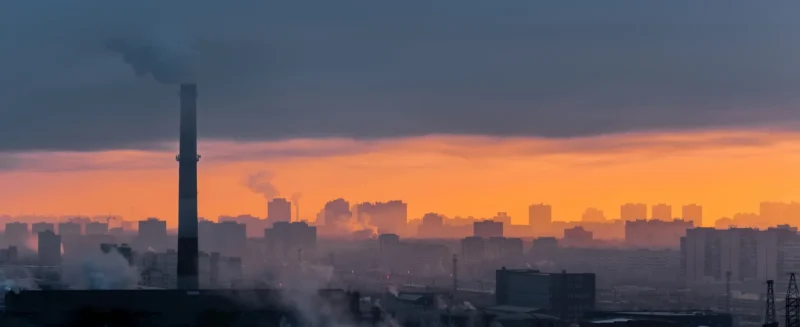
The report cites World Health Organization estimates indicating that almost all of the global population breathes air exceeding recommended safety limits. Yet 47% of adults told the poll they were not worried at all about being harmed by the air they breathe. People in the most polluted countries reported higher levels of harm, but not correspondingly higher levels of worry. In fact, median concern was lowest among countries where average fine-particle pollution exceeded WHO guidelines by at least seven times.
Levels of concern also differed between urban and rural parts. In Mongolia, concern about air pollution was much higher in cities, where 97% said they were worried about harm from the air they breathe, compared with 49% in rural areas. This was the widest urban-rural gap recorded in the survey. Low concern should not necessarily be interpreted as ignorance. Air pollution is often invisible, its health effects can develop gradually, and people living with it may have more immediate problems competing for their attention.
What the poll can and cannot tell us
The poll includes countries where official safety data is limited, allowing people to report harm that may otherwise go unrecorded.
But the findings need to be treated with caution. They are based on what people say they have experienced, rather than independently verified cases. People in different countries may also have different ideas about what counts as “serious harm”. Differences in reported harm do not necessarily mean that people were exposed to different levels of danger. The same storm, for example, may have a far greater impact in a country with weaker infrastructure, healthcare or warning systems. That means the poll cannot provide a complete picture on its own. But it does reveal something important: the risks people worry about most are not always the ones they most often report being harmed by. What people fear can shape how they behave. But the dangers they worry about least may still cause the greatest harm.
Written By Evelina Khachaturova