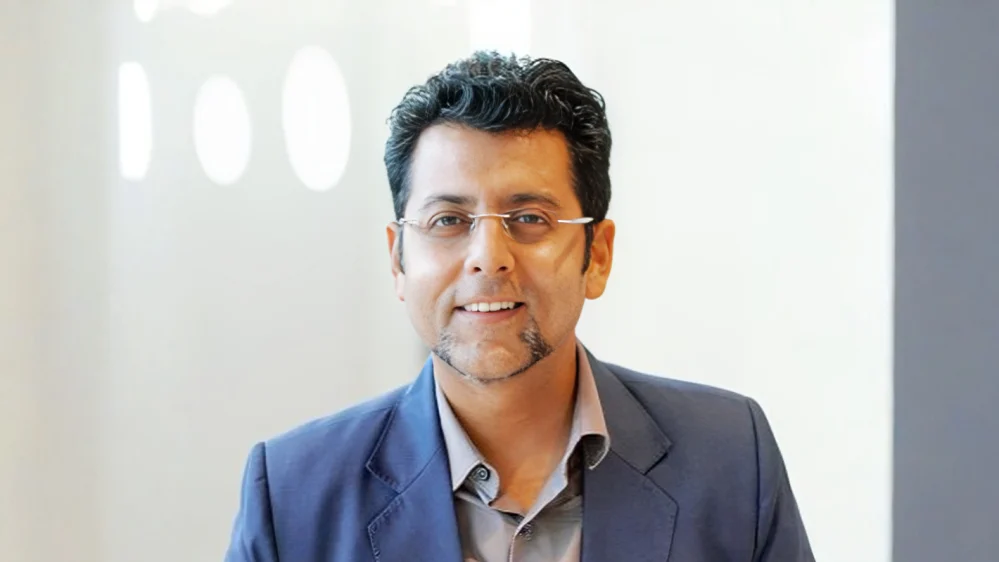
Amit Dang, Founder and CEO of MarksMan Healthcare, shared on LinkedIn:
“Oncology innovation is accelerating across Asia. But is our evidence strategy keeping pace?
With ESMO Asia 2026 approaching, one question deserves more attention: How do we translate promising oncology data into meaningful clinical and patient access decisions across diverse Asian healthcare systems?
From my perspective, the challenge is no longer simply generating more evidence. It is generating the right evidence, early enough.
A few areas worth reflecting on:
- Promising survival outcomes are important, but understanding quality of life and treatment burden is equally critical.
- Single-arm oncology studies can accelerate development, yet comparative effectiveness remains a major challenge for HTA and reimbursement.
- RWE can help address evidence gaps around treatment sequencing, effectiveness and outcomes in routine clinical practice.
- Biomarker-driven therapies require a closer look at diagnostic availability, testing pathways and patient identification.
- Regional differences in standard of care, affordability and healthcare infrastructure can significantly influence treatment value.
- Early integration of HEOR, Medical Affairs and Market Access can help ensure that clinical evidence supports both scientific and payer decisions.
I believe the next competitive advantage in oncology will come from connecting clinical innovation with evidence that clinicians, patients and payers can actually use.
At MarksMan Healthcare, we support oncology evidence strategies through HEOR, RWE, evidence synthesis, scientific publications and market access research.
If your team is preparing its oncology evidence strategy around ESMO Asia, connect with me at the venue!”
Read more about ESMO Asia Congress 2026 on OncoCalendar.