A Historic Milestone for Cancer Prevention in Algeria
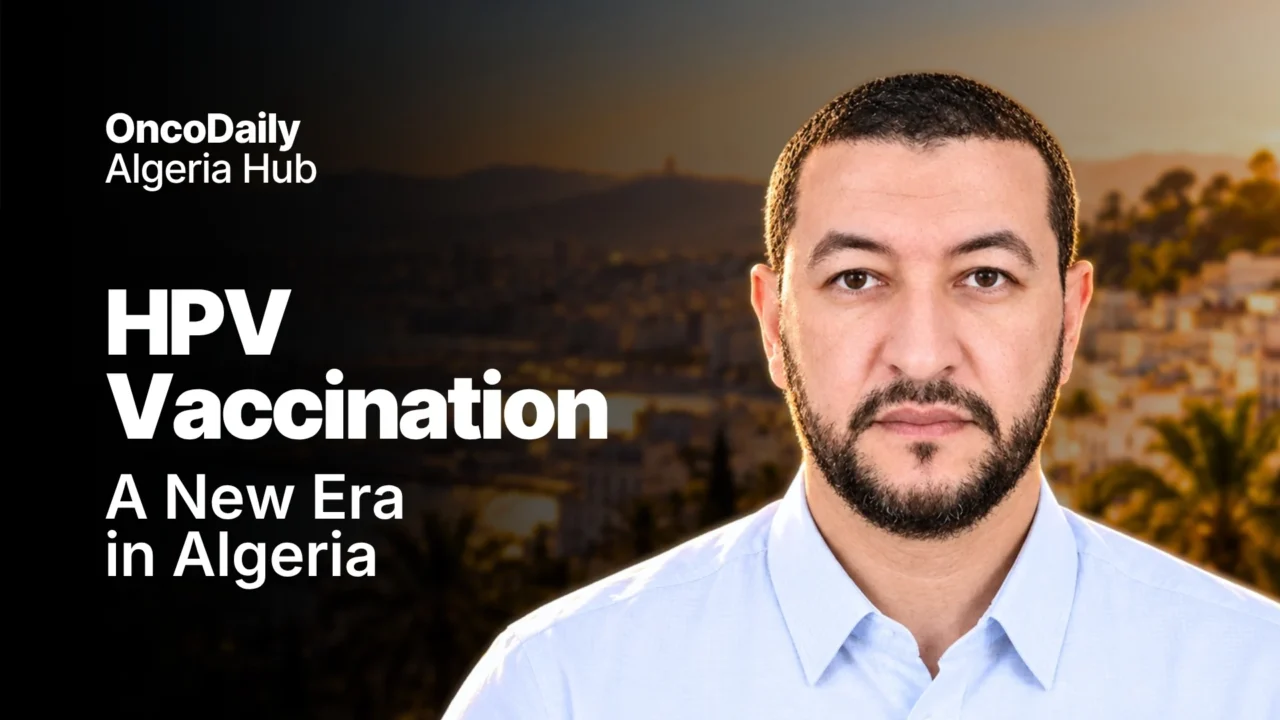
Algeria is entering a new era of cancer prevention with the official integration of the Human Papillomavirus (HPV) vaccine into the National Immunization Program, beginning with the 2026–2027 school year.
This important public health decision is one of the major achievements of Algeria’s new National Cancer Control Strategy, developed by the National Commission for Cancer Prevention and Control, which places prevention at the forefront of national efforts to reduce the incidence of cancer.
For the first time, both girls and boys aged 11–13 years attending middle school will receive routine HPV vaccination. This represents one of the most significant advances in primary cancer prevention ever implemented in Algeria and demonstrates the country’s commitment to adopting the recommendations of the World Health Organization (WHO).
Why HPV Vaccination Matters
Persistent infection with high-risk HPV genotypes is the primary cause of nearly all cases of cervical cancer. In addition, HPV is responsible for an increasing proportion of several other malignancies, including cancers of the anus, vulva, vagina, penis, and oropharynx, as well as genital warts.
Unlike many cancers for which prevention remains challenging, cervical cancer is largely preventable through two complementary strategies: primary prevention with HPV vaccination and secondary prevention through organized cervical cancer screening. The introduction of HPV vaccination therefore helps prevent the HPV infections that can lead to cervical cancer.
A Major Investment in Public Health
Extensive international evidence has demonstrated that HPV vaccination is highly effective in preventing persistent HPV infection, high-grade cervical intraepithelial lesions, and ultimately cervical cancer. Countries that introduced national HPV vaccination programs more than a decade ago have already reported remarkable reductions in HPV infections, precancerous cervical lesions, genital warts, and, more recently, invasive cervical cancer among vaccinated populations.
Vaccinating both girls and boys not only provides direct individual protection but also contributes to herd immunity by reducing viral circulation within the community and protecting individuals who remain unvaccinated or who develop an incomplete immune response. Algeria’s strategy therefore reflects a modern and comprehensive vision of cancer prevention.
Integrating HPV Vaccination into Algeria’s National Cancer Control Strategy
The inclusion of HPV vaccination in the national immunization schedule represents more than the addition of another vaccine. It constitutes the implementation of a key component of the WHO global strategy to eliminate cervical cancer as a public health problem.
This initiative complements Algeria’s broader National Cancer Control Strategy, which aims to:
- Strengthen primary prevention;
- Reduce cancer incidence through vaccination and healthy lifestyle interventions;
- Improve early diagnosis and organized screening;
- Ensure equitable access to high-quality oncology care;
- Promote multidisciplinary collaboration and public awareness.
By investing in prevention today, Algeria is investing in healthier future generations.
The Essential Role of Public Awareness
The success of any vaccination program depends not only on vaccine availability but also on public confidence and acceptance.
Parents, healthcare professionals, educators, community leaders, and the media all have a crucial role to play in communicating accurate scientific information about HPV vaccination. Misinformation remains one of the major barriers to vaccine uptake worldwide.
Public awareness campaigns should emphasize that HPV vaccination:
- Prevents several HPV-related cancers;
- Protects both girls and boys;
- Has an excellent safety profile supported by millions of doses administered worldwide;
- Is most effective when administered before exposure to HPV;
- Complements, rather than replaces, cervical cancer screening.
Public engagement will be fundamental to achieving high vaccination coverage and maximizing the long-term impact of the program.
The Role of Oncologists and Healthcare Professionals
Although HPV vaccination is primarily implemented through preventive medicine and pediatric immunization programs, oncologists have an important responsibility in supporting this initiative.
Every oncologist has witnessed the devastating consequences of advanced cervical cancer. Consequently, oncologists should actively advocate for HPV vaccination, participate in public education initiatives, collaborate with primary care physicians and gynecologists, and support evidence-based health policies aimed at reducing the future incidence of HPV-associated cancers.
Cancer specialists are uniquely positioned to transform their clinical experience into powerful advocacy for cancer prevention.
Looking Ahead
The launch of Algeria’s national HPV vaccination program in September 2026 marks the beginning of an ambitious public health journey. Monitoring vaccination coverage, evaluating program implementation, measuring its impact on HPV infection and precancerous lesions, and continuously strengthening public awareness will be essential over the coming years.
The long-term success of this initiative will require sustained collaboration between the Ministries of Health and National Education, healthcare professionals, scientific societies, and civil society organizations.
If successfully implemented, Algeria has a unique opportunity to substantially reduce the incidence of cervical cancer and other HPV-related malignancies for future generations.
Conclusion
The integration of HPV vaccination into Algeria’s National Immunization Program represents an important advance in primary cancer prevention in Algeria. Beyond protecting individuals, this decision reflects a national commitment to evidence-based medicine, health equity, and sustainable cancer control.
For oncologists, this is a moment of optimism. While we continue to care for patients affected by cervical cancer today, we now have the opportunity to help prevent many future cases. This historic decision marks a major step toward a future in which cervical cancer becomes increasingly rare and ultimately preventable in Algeria.