





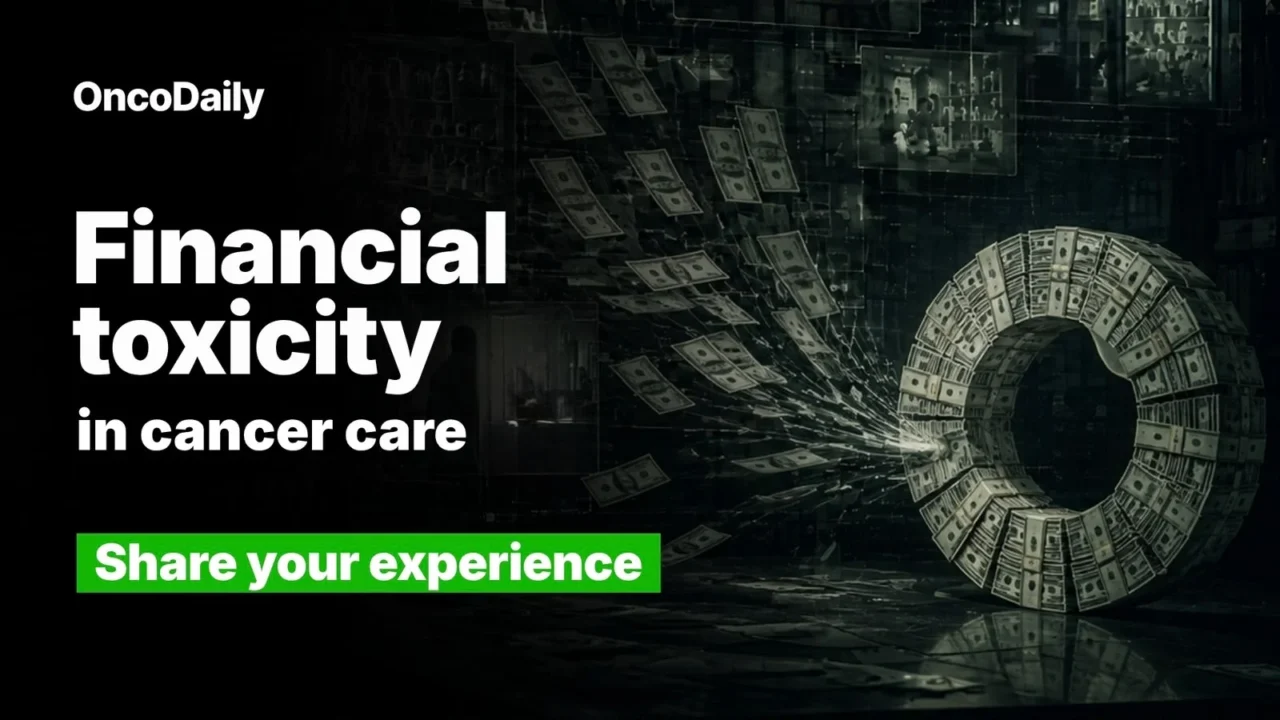
Beyond the Prescription: Call for Submissions on Financial Toxicity in Global Cancer Care
When the cost of care dictates the outcome of treatment, oncology faces a systemic crisis. We want to hear your real-world clinical stories.
The Reality Behind the Data
Across the globe, advances in precision medicine, immunotherapy, and novel targeted therapies are reshaping the possibilities of cancer care. Yet, in clinics and hospitals worldwide, a parallel reality exists, one where life-saving treatments remain out of reach not due to biological limitations, but financial ones.
Financial toxicity is no longer just an economic or health economics term; it is a direct, clinically significant side effect. It leads to treatment delays, dose reductions, prescription abandonment, compromised survivorship, and, far too often, avoidable disease progression.
While statistics quantify the burden, the human cost is best understood through the everyday experiences of the oncology professionals on the frontlines.
What We Are Looking For
OncoDaily invites oncologists, hematologists, radiation oncologists, oncology nurses, and patient advocates worldwide to submit personal case reflections, commentaries, and clinical stories highlighting how financial toxicity has impacted patient care.
We are seeking submissions that address:
- Compromised Care Pathways: Real cases where treatment protocols, regimens, or surgeries had to be altered, delayed, or foregone due to financial barriers.
- Systemic Disparities: Experiences from varying practice settings from low, middle and high-income countries.
- The Human Cost: Reflections on the psychological, emotional, and social burden that cost-driven care decisions take on both patients and treating oncology teams.
- Lessons and Advocacy: Key takeaways, ethical dilemmas, or proposed solutions that emerged from these challenging clinical encounters.
Please send your manuscript or story pitch directly to info@oncodaily.com.
By sharing your voice and clinical realities, you help bring visibility to the structural hurdles that prevent patients from receiving the care they deserve. Join us in driving a global conversation toward equitable and sustainable cancer care.