Every October, the global scientific community pauses for a handful of phone calls from Stockholm. A sleepy professor in Boston or Kyoto answers a call from an unknown Swedish number, and in an instant, their life’s work is elevated to immortal status.
When looking at the complete record of Nobel Laureates in Physiology or Medicine, it becomes clear that while raw genius is required, where that genius spends its time matters almost as much.
Nobel-winning discoveries rarely happen in isolation. They are built on powerful institutional hubs, shifting scientific landscapes, and the tireless pursuit of basic biological mechanisms.
This time BIGR set to trace the path of Nobel Prize winners in Physiology and Medicine and identify possible patterns that can push someone to stand in the hall of scientific fame.
Methodology
We evaluated the complete historical record of the Nobel Prize in Physiology or Medicine from 1901 through 2025, including 232 individual laureates across 116 prize editions. Primary biographical, institutional, and research citation data were extracted directly from the official Nobel Foundation database and cross-referenced with the laureate directory published by the Nobel Assembly at Karolinska Institutet.
To examine institutional, geographical, and temporal patterns, five core variables were captured and standardized:
- laureate identity
- award year
- primary affiliation at the time of award
- award share
- research achievement
Institutional names were consolidated into their modern unified entities (e.g., aggregating the Rockefeller Institute for Medical Research and Rockefeller University) for long-term tracking.
To analyze the data, we counted which institutions produced the most winners, tracked how prizes shifted from single researchers to recognizing teams’ work, analyzed all fields of achievement, and searched for cancer-related terms to see how oncology research evolved.
Where Do Winners Come From?
Whether some institutions shape the minds that make the groundbreaking discoveries or these minds choose the reputation of those institutions – creating a legacy for them, some names stood out as academic homes for the nobel laureates.
The Biggest Powerhouses
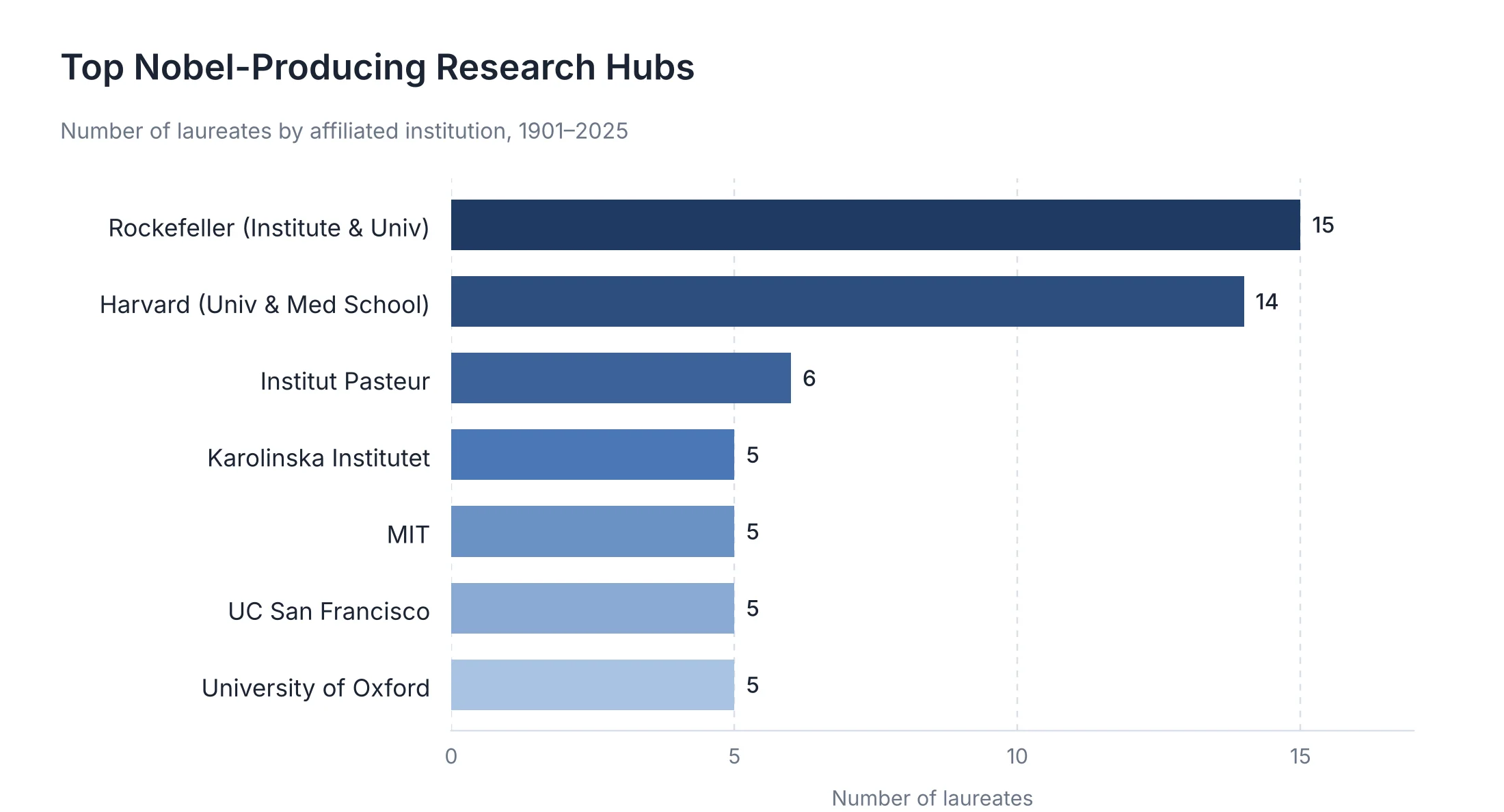
- The Rockefeller Empire (15 total awards): Between the historic Rockefeller Institute for Medical Research and its modern evolution, Rockefeller University, this single Manhattan institution has given 15 Nobel Laureates. From Alexis Carrel’s early organ preservation work in 1912 to Günter Blobel’s discovery of protein signal sequences in 1999 and Charles M. Rice’s Hepatitis C breakthroughs in 2020, Rockefeller stands as arguably the most efficient research engine in medical history.
- The Harvard Cluster (14 awards): Spanning Harvard University in Cambridge and Harvard Medical School in Boston, Harvard’s ecosystem has consistently captured landmark prizes across genetics, visual physiology, and oncology.
- Institutions like Institut Pasteur in Paris (6 awards), Karolinska Institutet in Stockholm (5 awards), University of Oxford (5 awards), MIT (5 awards), and UC San Francisco (5 awards) represent the historic core of modern biomedical research.
The Geopolitical Shift
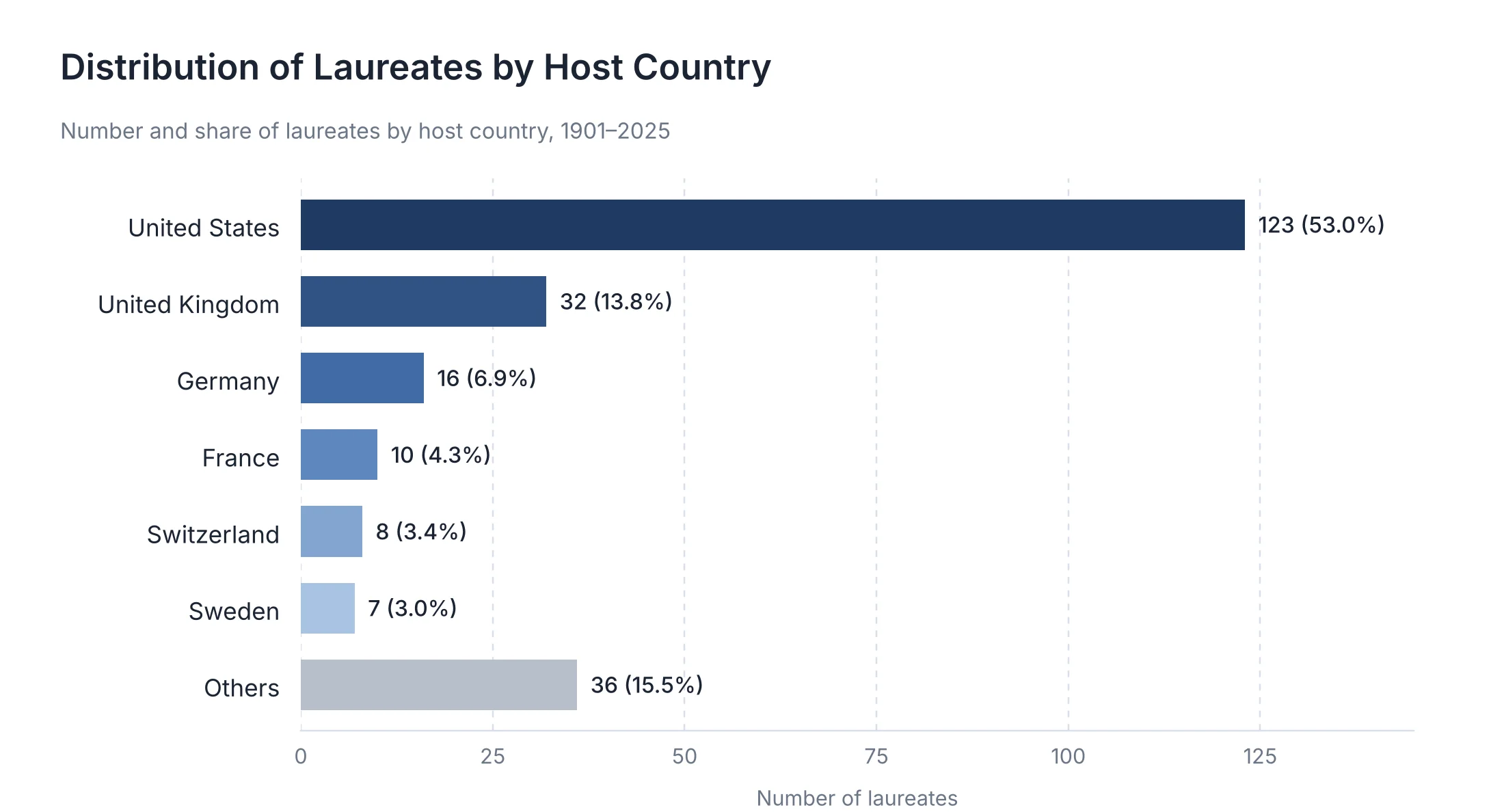
Beyond individual institutions, mapping the host countries of laureates reveals a dramatic geopolitical migration of medical research leadership across the 20th century.
In the first three decades of the prize (1901-1930), Europe was the undisputed center of medical breakthroughs. German, French, and British universities claimed over 70% of all awards, driven by early breakthroughs in bacteriology, immunology, and classical physiology.
However, the period surrounding World War II triggered a monumental shift:
- The Rise of the American Hegemony: Currently out of 232 laureates, 123 (53.0%) are affiliated with American institutions at the time of their award.
- The Post-1950 Surge: After 1950, US-based researchers accounted for over 60% of all awarded prizes. Driven by massive public investments in the National Institutes of Health (NIH) and expanding philanthropic foundations, the United States became the primary destination for global scientific talent.
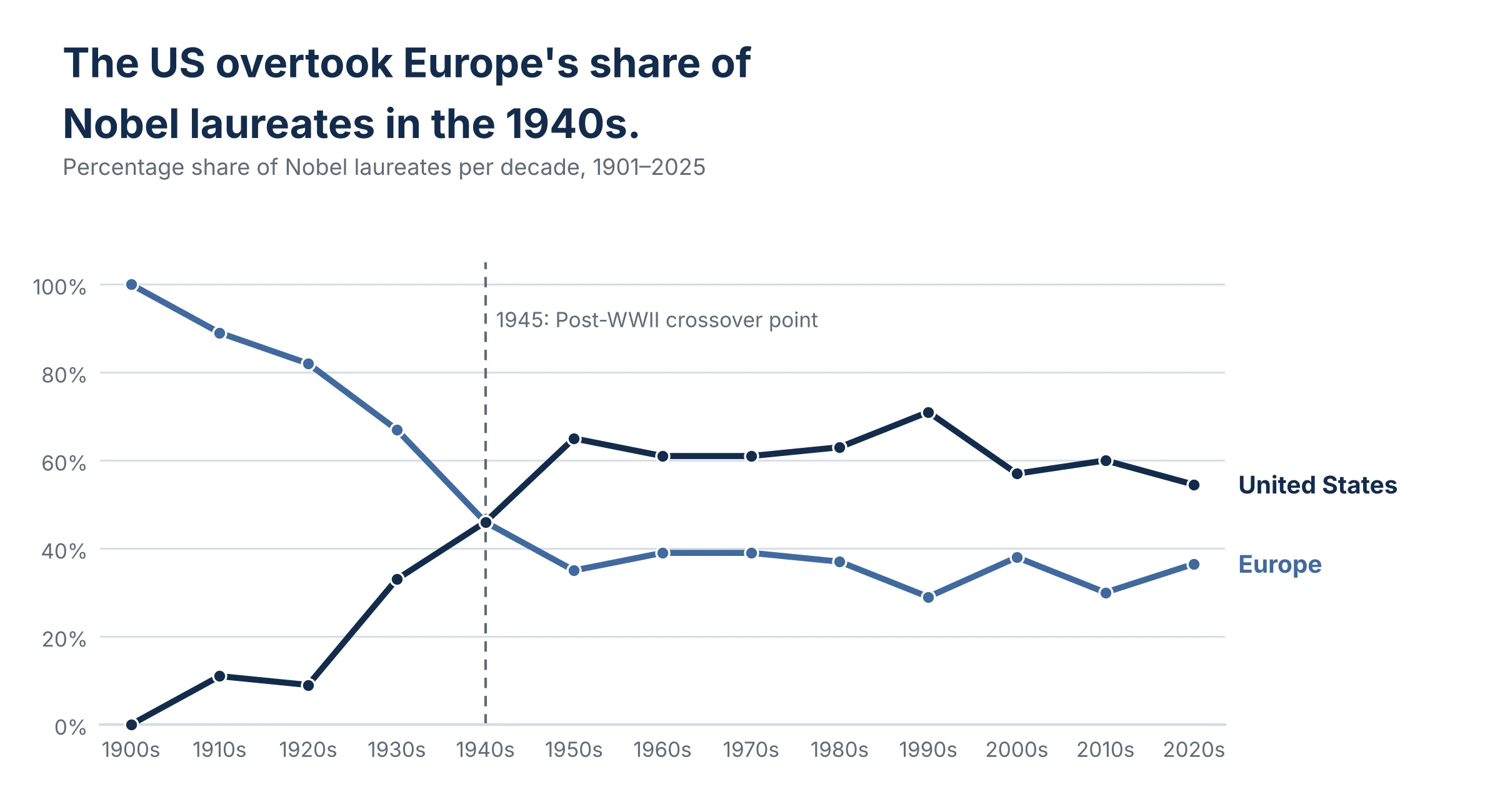
There are some historical forces that have driven this transition. As World War II tore across Europe, many of the continent’s top scientists had to flee for their lives. Crossing the Atlantic, they landed in American universities that provided not just safety, but world-class labs where their research could truly thrive.
In July 1945, Vannevar Bush handed President Truman a blueprint that changed American science. Bush argued that funding basic research wasn’t just a luxury, but a vital public duty essential for national health and economic growth. His vision sparked a policy revolution, channeling massive federal investments into creating the National Science Foundation (NSF) and supercharging the expansion of the National Institutes of Health (NIH).
What Types of Science Win?
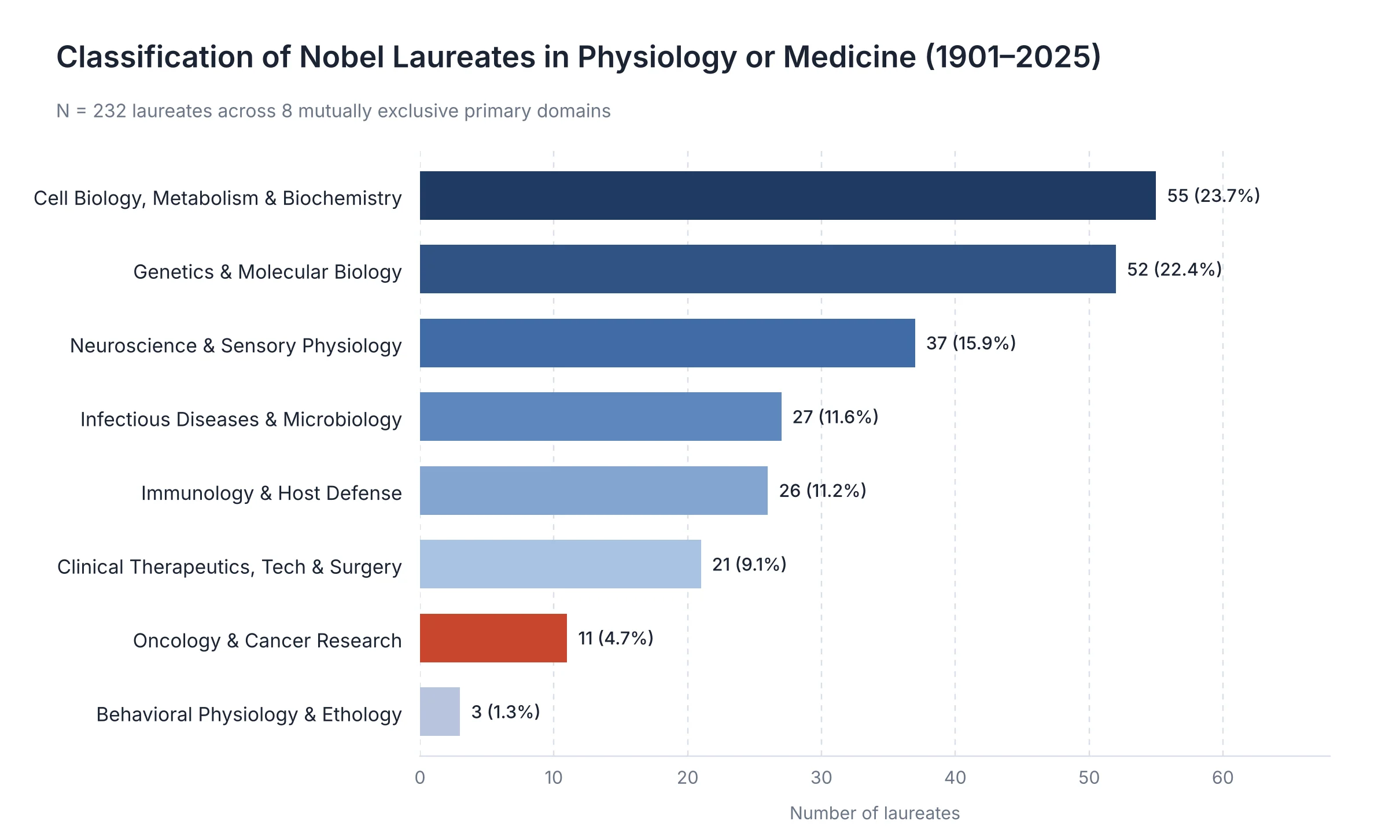
Grouping the awards by scientific field reveals the ever-evolving frontier of modern medicine.
1. Cell Biology, Metabolism & Biochemistry
55 Laureates, 23.7%
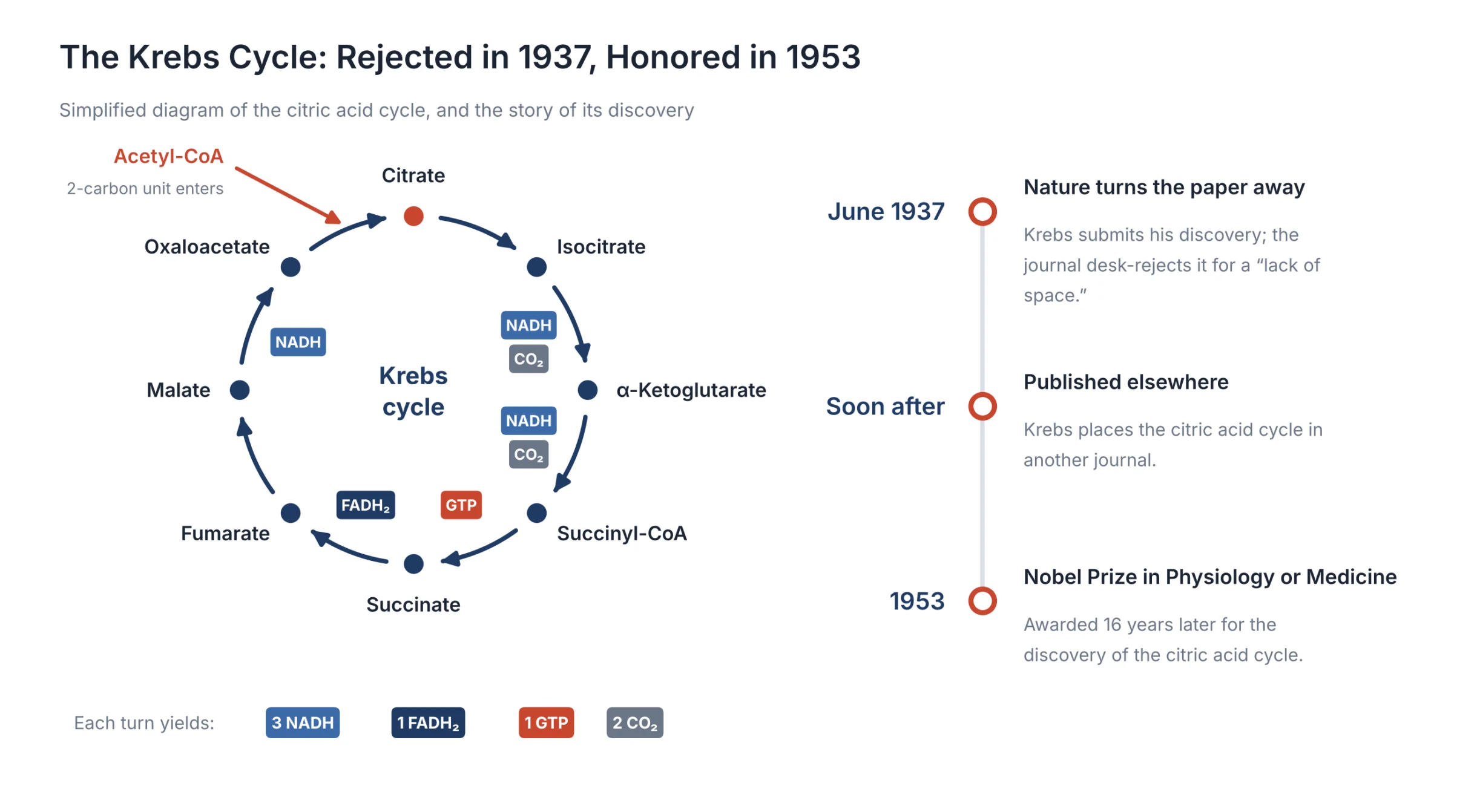
We have all struggled to memorize the complex steps of the Krebs cycle (citric acid cycle) in biochemistry class. But when Hans Krebs first submitted his discovery of this fundamental cellular power generation pathway to Nature in June 1937, the journal desk-rejected his manuscript due to a “lack of space”. Krebs published it elsewhere, and 16 years later (1953), he was awarded the Nobel Prize. Today, unraveling basic cell mechanics remains the single largest source of Nobel glory.
2. Genetics & Molecular Biology
52 Laureates, 22.4%
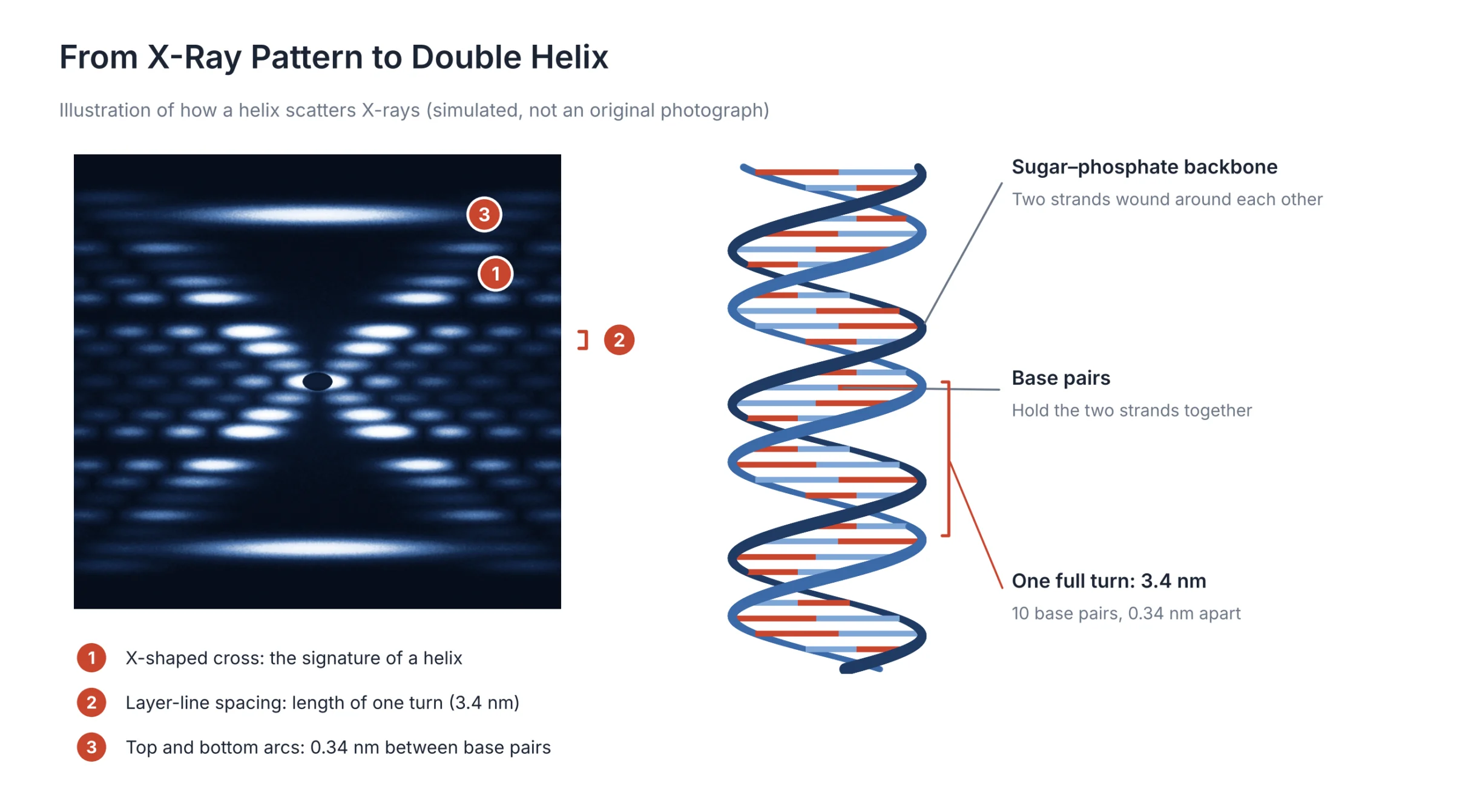
Nowadays, every middle-schooler knows that DNA is a twisting, double-stranded ladder. But back in early 1953, the race to uncover the molecule of life was a high-stakes scientific mystery. James Watson and Francis Crick famously deduced their double-helix model after getting a look at “Photo 51” – a precise X-ray diffraction image captured by physical chemist Rosalind Franklin and her student Raymond Gosling. This single image unlocked the universal mechanism of genetic replication and birthed modern molecular genetics.
3. Neuroscience & Sensory Physiology
37 Laureates, 15.9%
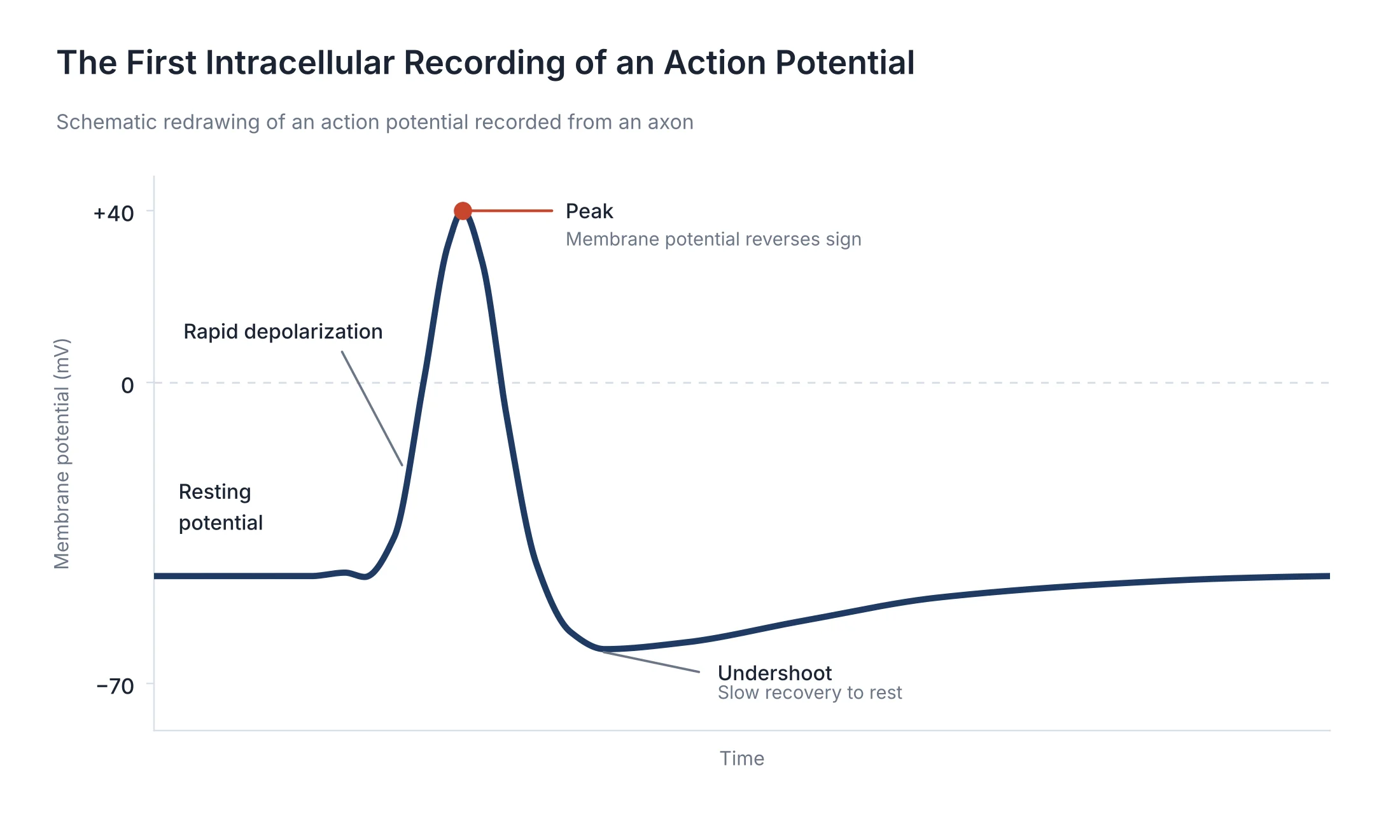
In the mid-20th century, scientists knew nerves transmitted signals, but had no idea how. Laureates Alan Hodgkin and Andrew Huxley (1963) solved this by isolating the giant axon of a squid, which is 100 times thicker than a human nerve cell, which allowed them to record electrical impulses directly. Their mathematical equations explained how ion channels create action potentials, laying the foundation for modern neurobiology and psychiatric medicine.
4. Infectious Diseases & Microbiology
27 Laureates, 11.6%
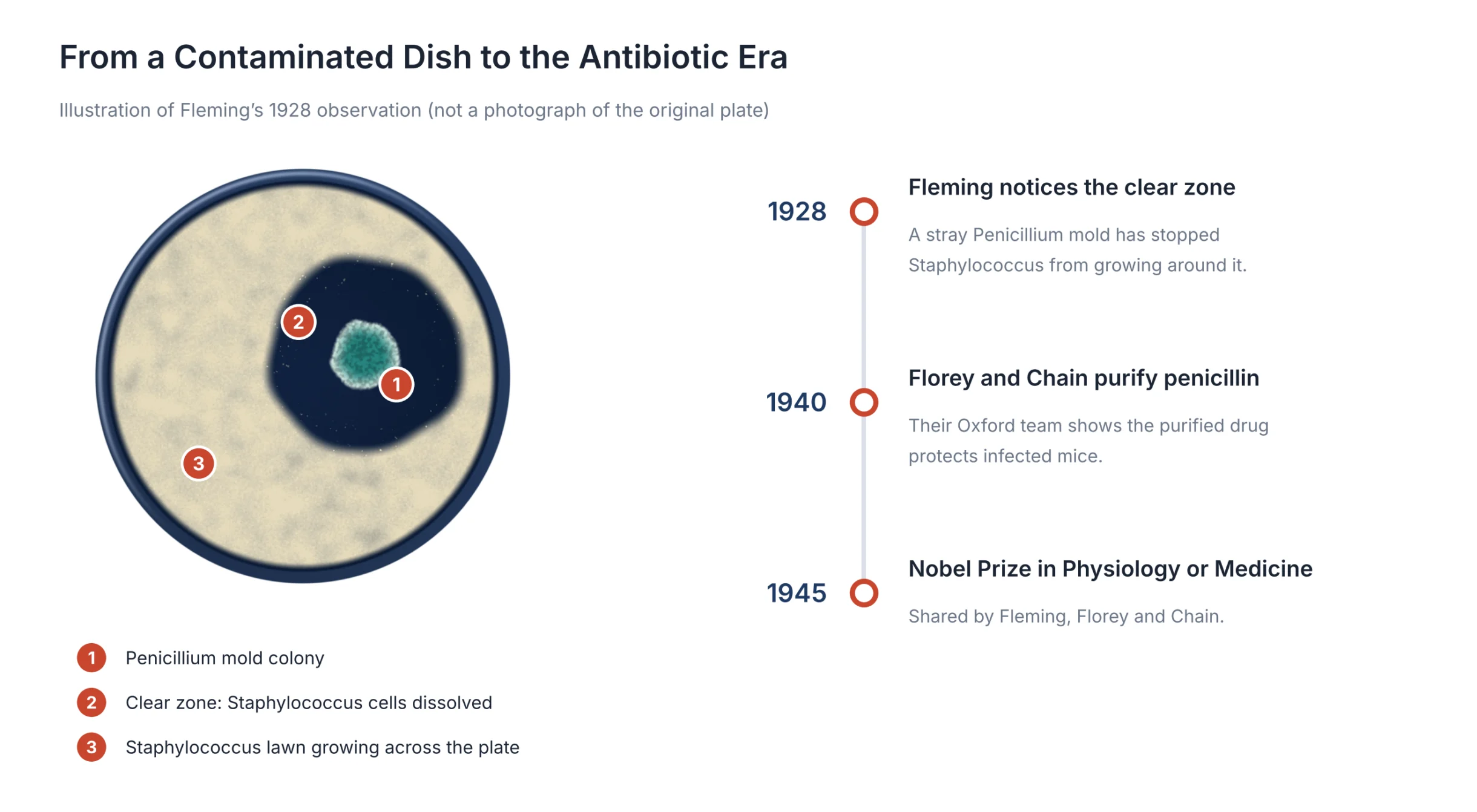
In the late 1920s, bacterial infections like pneumonia and strep throat were frequent death sentences. That changed in September 1928 when Alexander Fleming returned from vacation to find that a stray mold spores (Penicillium notatum) had accidentally contaminated an open petri dish of Staphylococcus bacteria. Instead of discarding the ruined culture, Fleming noticed something extraordinary: a clear ring around the mold where the bacteria had completely dissolved. His curious observation, coupled with the later engineering genius of Howard Florey and Ernst Chain (1945 Nobel Prize), gave birth to penicillin, ushering in the antibiotic era and transforming global public health overnight.
5. Immunology & Host Defense
26 Laureates, 11.2%
Before the 20th century, blood transfusions were a terrifying gamble; patients often suffered fatal reactions when receiving blood from a well-meaning donor. In 1901, Karl Landsteiner solved the mystery by mixing red blood cells and serum from his colleagues in lab tubes, discovering that human blood fell into distinct immunological groups: A, B, and O. Landsteiner’s discovery of the ABO blood group system (1930 Nobel Prize) revealed that our immune system possesses a surveillance system designed to distinguish “self” from “non-self”, which is a foundational concept that unlocked safe blood transfusions, organ transplantation, and modern autoimmune disease therapies.
A Century of Understanding Cancer
Oncology has been one of the drivers of Nobel discoveries.
While Primary Cancer Research accounts for 11 direct laureates (4.7%) whose explicit citations focused on tumor biology or cancer therapies, oncology’s actual footprint in the Nobel archives is much larger. The Nobel Assembly consistently rewards foundational mechanisms that directly affect the field of oncology, such as cell cycle regulation (Hartwell, Hunt, Nurse), programmed cell death/apoptosis (Brenner, Horvitz, Sulston), cellular hypoxia sensing (Kaelin, Ratcliffe, Semenza), bone marrow transplantation for leukemia (Thomas). Even if these are not listed as direct wins in the field of oncology, it would be impossible to imagine modern oncology without any of these discoveries, so the achievements in the field of oncology are much bigger than the raw numbers show.
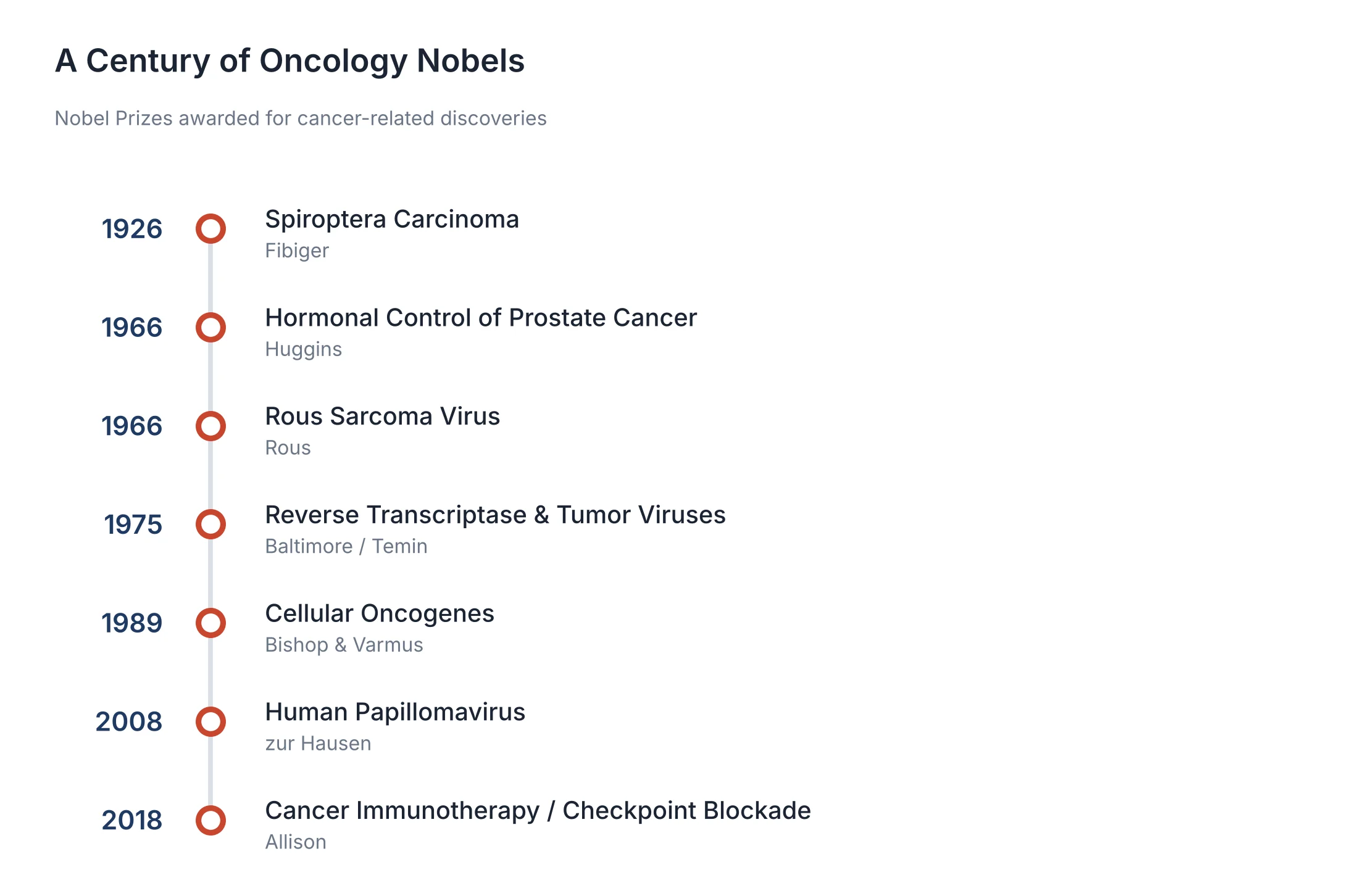
The history of cancer research in the Nobel archives mirrors the broader evolution of modern medicine:
Four Revolutions That Rewrote Cancer
1. “Cancers are driven by viruses” (Peyton Rous, 1966)
In 1911, Peyton Rous discovered that a cell-free filtrate from a chicken tumor could induce tumors in healthy birds, proving that a virus (Rous Sarcoma Virus) caused cancer. The medical establishment dismissed his work for decades, insisting cancer was purely a cellular disease. It took 55 years – the longest delay in Nobel history – for the committee to recognize his discovery in 1966, paving the way for retrovirology and oncogene research.
2. “Oncogenes live inside us all” (Varmus & Bishop, 1989)
Before Harold Varmus and J. Michael Bishop, scientists believed tumor viruses introduced alien “cancer genes” into healthy host cells. In 1976, Varmus and Bishop proved that viral oncogenes are actually hijacked versions of normal cellular genes (proto-oncogenes) present in every healthy human cell. When these normal genes mutate or get misregulated, they turn against the body. This was a discovery that birthed modern molecular oncology and targeted gene therapies.
3. “Herpes doesn’t cause cervical cancer, HPV does” (Harald zur Hausen, 2008)
Throughout the 1970s, the medical consensus firmly held that cervical cancer was driven by the herpes simplex virus (HSV-2). German virologist Harald zur Hausen bucked the mainstream, searching instead for human papillomavirus DNA in tumor biopsies. Despite widespread doubt from peers, he isolated HPV-16 and HPV-18, establishing a direct viral cause for the disease. His breakthrough led directly to the HPV vaccine, turning a fatal cancer risk into a preventable infection.
4. “Stop attacking the tumor, unleash the T-cells” (Allison & Honjo, 2018)
For more than a century, oncology relied on a brute-force playbook: cut the tumor out, burn it with radiation, or poison it with chemotherapy. James P. Allison and Tasuku Honjo completely flipped that script. Instead of attacking the cancer directly, they realized tumor cells survive by jamming the “brakes” (checkpoint proteins like CTLA-4 and PD-1) on the body’s immune cells. By designing antibodies to release those brakes, they unleashed the patient’s own T-cells to hunt down and destroy advanced metastatic cancers, launching the modern era of immunotherapy.
The Death of the “Solo Genius”
If you want to win a Nobel Prize today, you should plan on sharing it.
When the prize was established in 1901, science was largely an individual endeavor. Early decades saw single scientists taking home the full award.
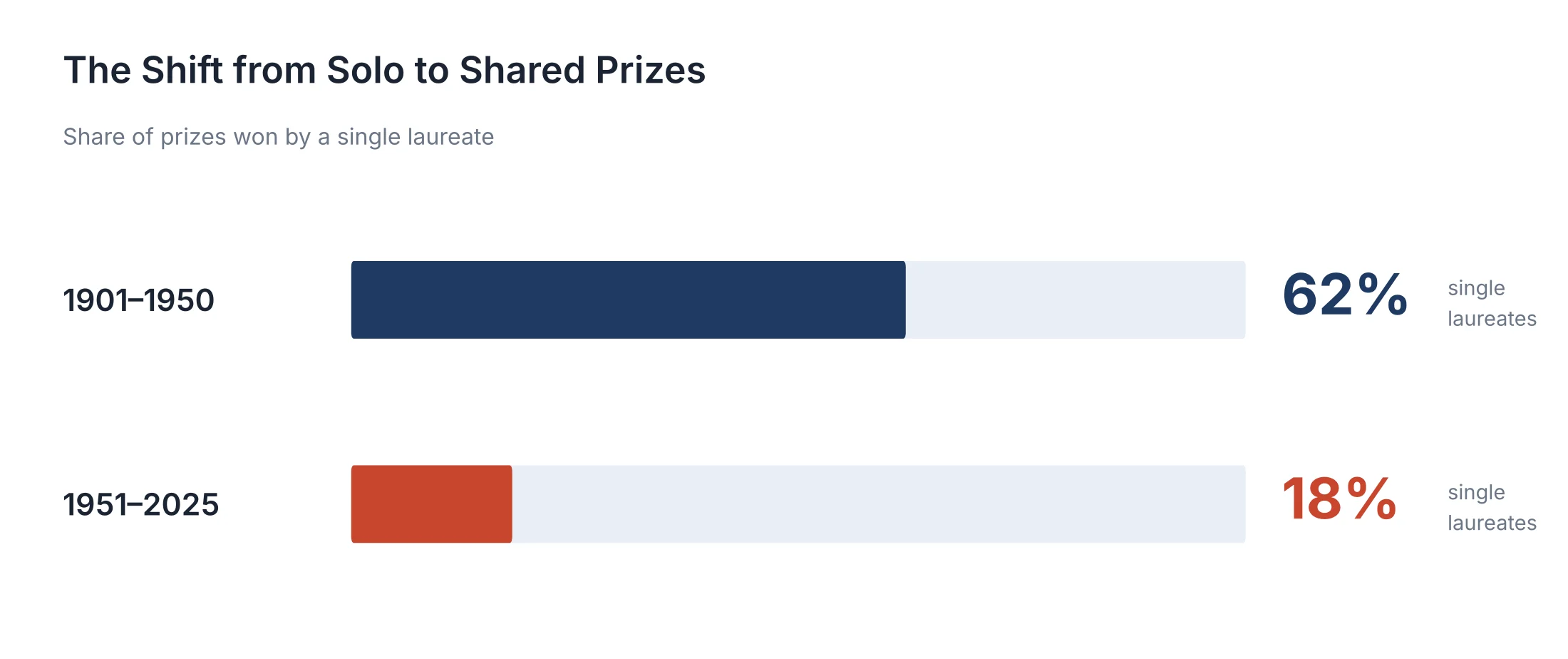
Over time, biomedical problems became too complex for a single brain or lab. The historical data shows a clear shift:
- Between 1901 and 1950, 62% of all awards went to a single individual.
- Between 1951 and 2025, that number plummeted to under 18%.
This dramatic shift raises a critical historical question: Were early discoveries truly made by solo geniuses, or did the Nobel Committee simply credit one lab leader?
To answer this, lets look at some perspectives:
- In the early 20th century, academic institutions operated under strict lab hierarchies. Laboratory directors frequently took sole credit for breakthroughs executed by teams of postdocs, graduate students, and technicians. Early solo prizes often reflected this institutional culture.
- Under Section 4 of the Statutes of the Nobel Foundation, a prize can never be divided among more than three people in any given year. As science became increasingly collaborative, this rigid rule created snubs, forcing the committee to choose three representative figureheads for discoveries that involved dozens of essential contributors.
- As biomedical research developed, no single researcher could master all necessary tools for research. Modern breakthroughs require specialized instrumentation, bioinformaticians, structural biologists, and clinical trial networks.
The drop in solo laureates says more about how science is done than about how many gifted people there are. Modern medicine is complicated enough that one researcher working alone rarely reaches a major discovery, and Stockholm now shares prizes among several people much more often than it used to. The questions biology asks have gotten bigger, and so have the teams that answer them.
So, How to Become a Nobel Laureate?
Based on 125 years of Nobel history, here are the core rules for any aspiring medical researcher:
1. Position yourself in an ecosystem that allows failure and growth
Where you conduct your research profoundly influences your scientific horizon. Very few Nobel-winning breakthroughs occurred under high-pressure, short-term grant cycles. Whether it is Rockefeller or the UK’s Medical Research Council, winning research happens in environments where scientists can pursue risky, unproven hypotheses for 10, 15, or 20 years without immediate commercial pressure.
2. Master “team science”
Solitary research is a thing of the past. The historical trajectory of Nobel awards reflects a dramatic structural shift toward multi-investigator partnerships. Modern scientific breakthroughs require cross-disciplinary synergy, multi-lab partnerships, and international cooperation.
3. Target paradigm shifts in high-reward fields
To stand out to the Nobel Committee, small, incremental improvements to existing knowledge are not enough. You need to trigger a paradigm shift – a total change in how scientists view a disease or treat a human illness. By unlocking core pathways in high-reward arenas like cancer biology, researchers address humanity’s most pressing medical challenges.
It is a common observation in Nobel history that the committee heavily favors fundamental biological mechanisms (like gene regulation or cell division) over direct disease cures. However, the line between “basic mechanism” and “disease therapy” is blurring. Discoveries like checkpoint immunotherapy (2018) demonstrate that solving a complex disease state directly can revolutionize basic biology just as effectively.
So while unraveling basic mechanisms remains the safest bet, tackling disease challenges head-on can also yield Nobel-caliber science. As biomedical tools become more precise, future Nobel announcements will likely continue honoring both basic biological mechanics and direct clinical breakthroughs.
Winning a Nobel Prize requires exceptional brilliance, but as a century of data demonstrates, it also requires the right environment, the right collaborators, and the patience to unravel nature’s most fundamental rules.
About BIGR
This study was conducted by the Boston Institute for Global Rankings (BIGR) – an academic initiative dedicated to transparent, data-driven evaluation of excellence in universities, medical centers, and healthcare professionals worldwide. With a focus on performance, impact, and innovation, BIGR aims to create meaningful global benchmarks for the future.
Think BIGR
Read about the 2026 Nobel Prize in Physiology or Medicine.