Key takeaways
- 244 of the 461 researchers (52.9%) in Clarivate’s Clinical Medicine category focus on oncology.
- Thoracic oncology is the leader among all oncological subspecialties (23.0%).
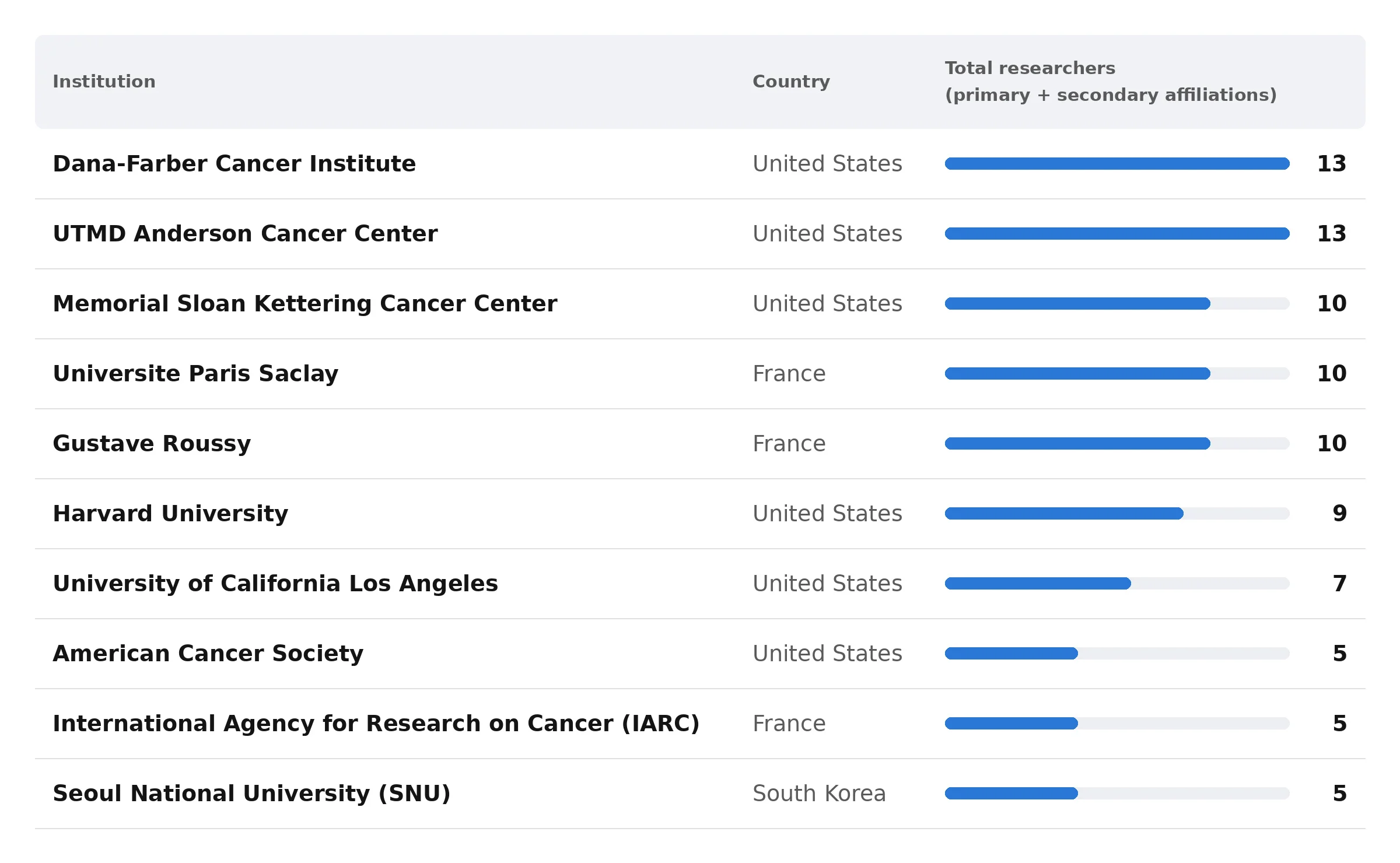
- Dana-Farber Cancer Institute and UT MD Anderson Cancer Center tie for first globally with 13 researchers each.
- Researchers span 21 countries, led by the United States (45.5%), France (8.6%) and Germany (7.0%).
On November 18, Clarivate published its 2026 list of top highly cited researchers. The list recognizes 6802 scientists whose papers rank in the top 1% by citations over the past decade.
Clarivate organizes the researchers by their primary research field along with their primary and secondary institutional affiliations. BIGR analyzed the Clinical Medicine category to identify all researchers who specialize in oncology. Out of 461 researchers in the clinical medicine category, 244 work in oncological fields.
This analysis examines researchers mentioned in the Clinical Medicine category of Clarivate’s 2026 Highly Cited Researchers list, identifying investigators whose primary clinical or scientific focus is oncology, hematology-oncology, cancer pathology, or cancer epidemiology. Because Clarivate classifies multidisciplinary researchers across 21 Essential Science Indicators (ESI) categories plus a separate Cross-Field category, a smaller number of practicing oncologists categorized under Cross-Field or basic biological fields fall outside the Clinical Medicine scope.
When we look at these 244 researchers, we can see who has made the list multiple times, where cancer research is moving fastest, and which institutions are leading major clinical trials.
Top Institutions in Clinical Oncology
Across all 244 clinical oncology researchers, 173 distinct institutions appear as primary or secondary affiliations. At the very top, two U.S. cancer centers share first place, and Europe’s largest cancer hub sits right behind them. Here are the top ten institutions with the most researchers who made the list this year:
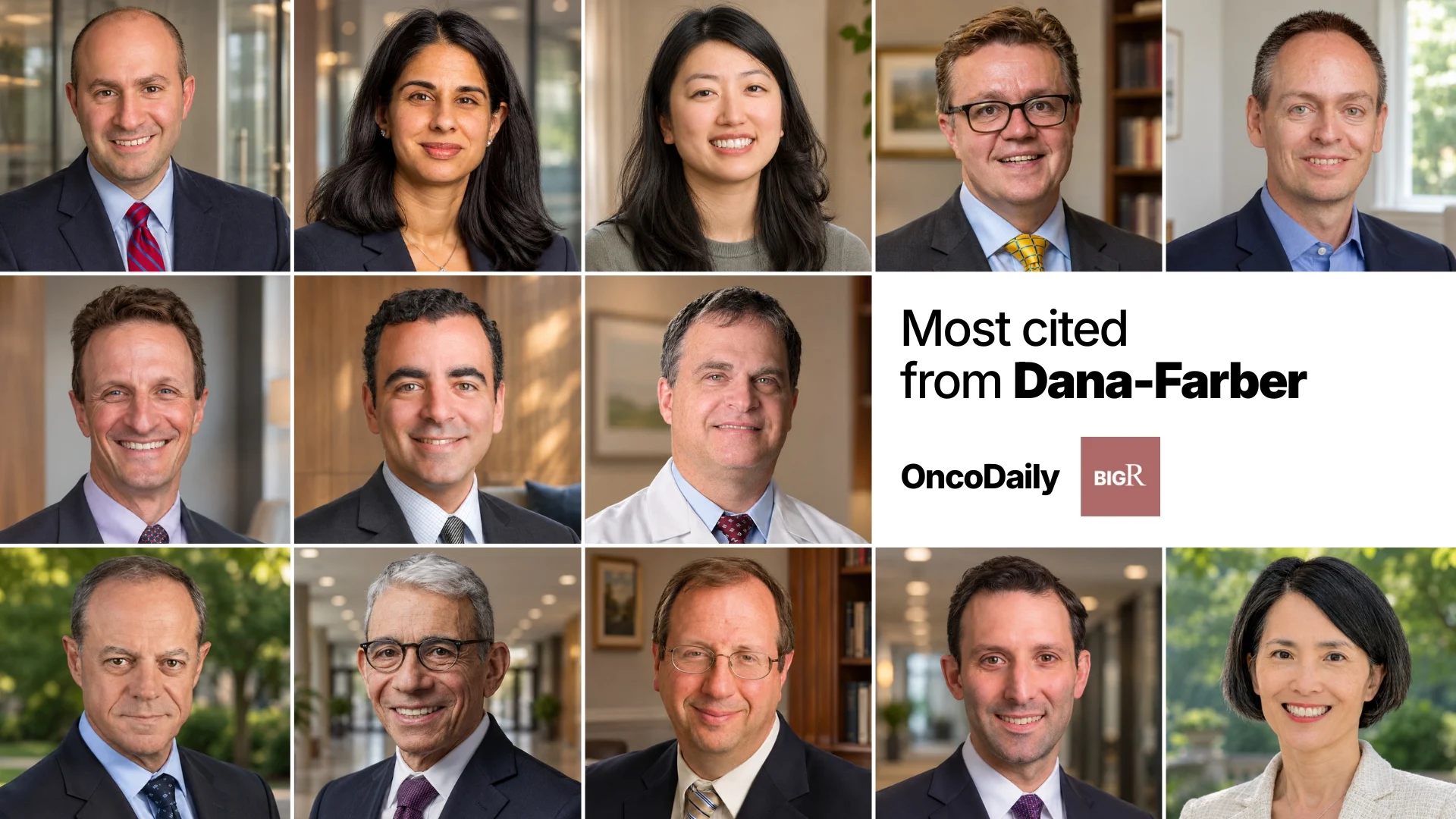
- Dana-Farber Cancer Institute (13 researchers, tied #1): Dana-Farber shares the global top spot with a remarkably balanced roster spanning breast, thoracic, genitourinary, hematologic, and cutaneous malignancies. Its honorees include Philippe Armand, Mark Awad, Joaquim Bellmunt, Toni Choueiri, Benjamin Ebert, Stephen Hodi, Pasi Jänne, Nancy Lin, Patrick Ott, Alice Shaw, Richard Stone, Sara Tolaney and Eric Winer.
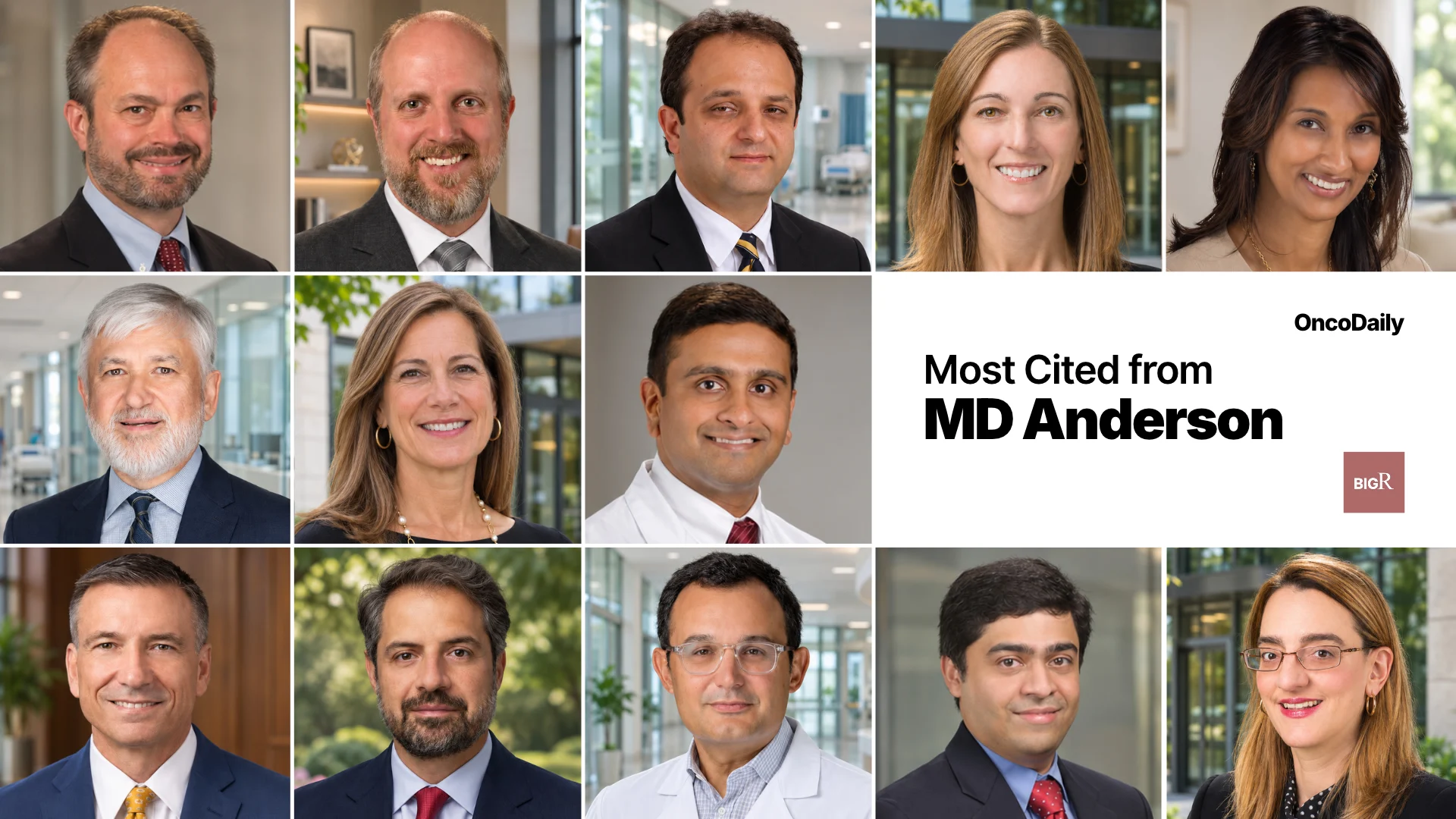
- MD Anderson Cancer Center (13 researchers, tied #1): Matching Dana-Farber with 13 primary-affiliated honorees, MD Anderson stands out for its unmatched concentration in hematologic malignancies, particularly acute and chronic leukemias and myelodysplastic syndromes, led by Naval Daver, Courtney DiNardo, Guillermo Garcia-Manero, John Heymach, Elias Jabbour, Tapan Kadia, Scott Kopetz, Funda Meric-Bernstam, Farhad Ravandi, Padmanee Sharma, Vivek Subbiah, William Wierda and Ignacio Wistuba.
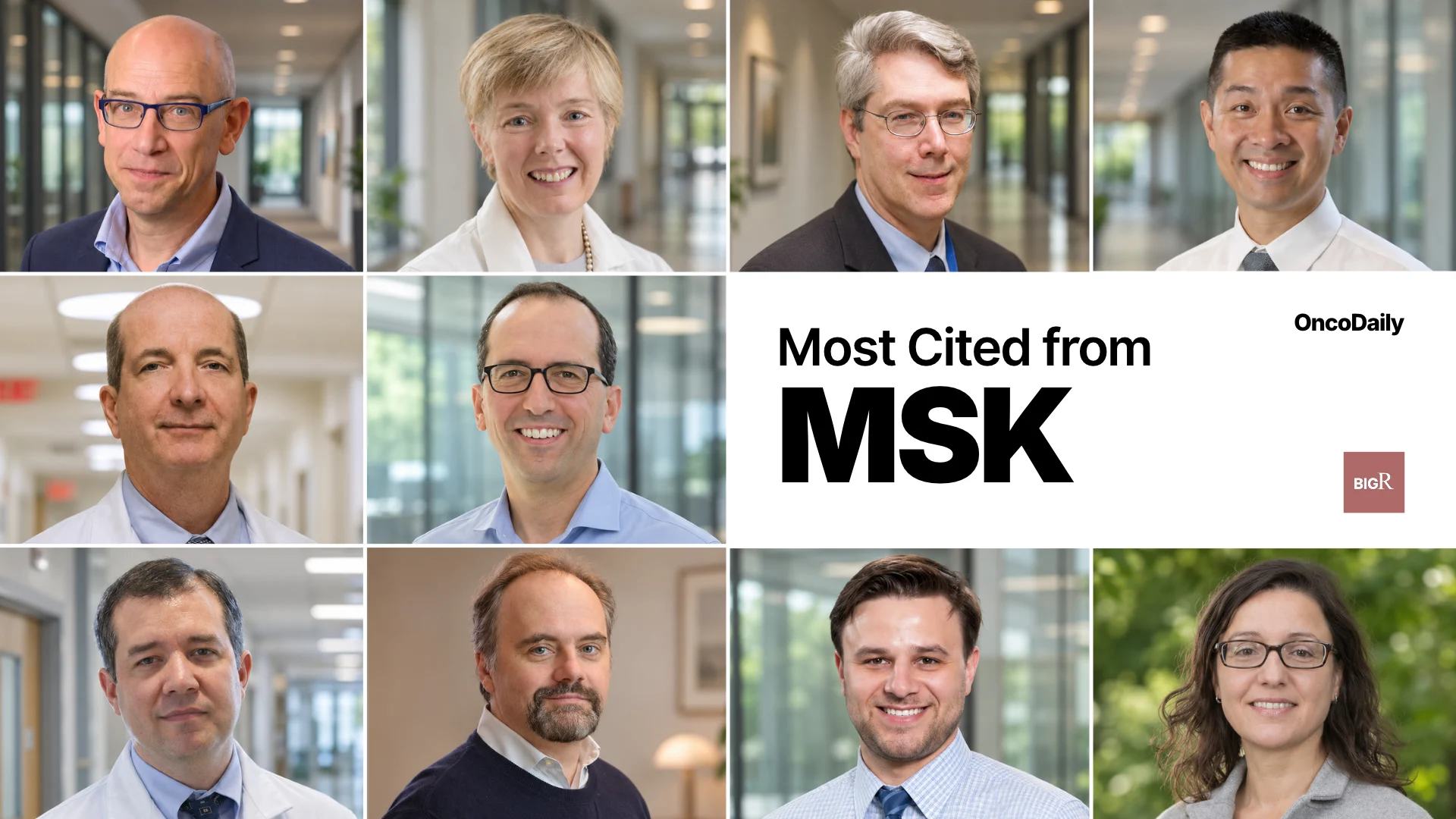
- Memorial Sloan Kettering Cancer Center (10 researchers): MSK has 10 primary-affiliated investigators heavily concentrated in thoracic oncology, molecular pathology, and cancer genomics. Six of its ten honorees focus on lung cancer and thoracic pathology: Charles Rudin, Alexander Drilon, Gregory Riely, Matthew Hellmann, William Travis, and Natasha Rekhtman. Michael Berger, Marc Ladanyi, Robert Motzer, and Eileen O’Reilly also affiliate with MSK.
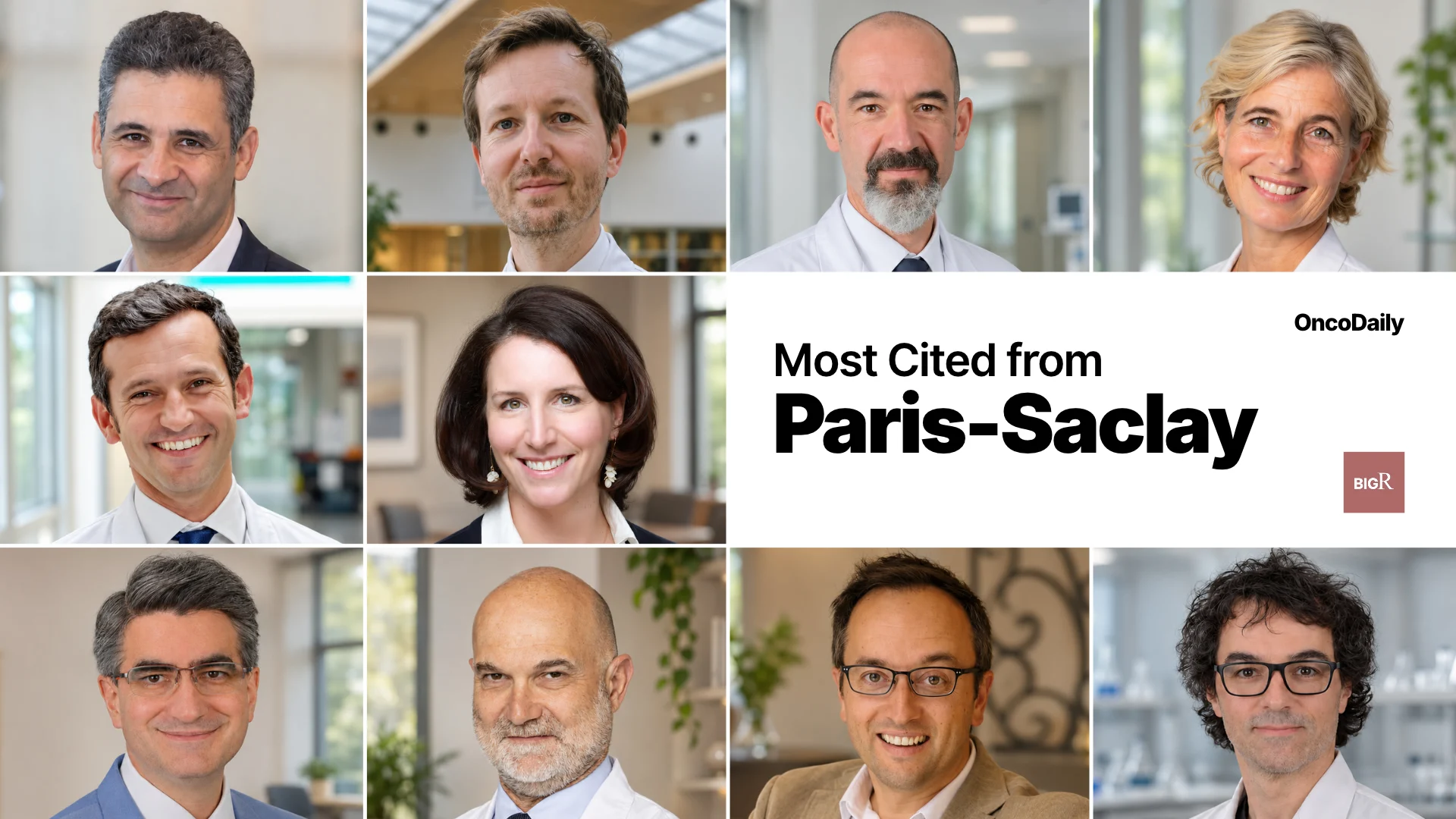
- Université Paris-Saclay (10 researchers): Serving as the primary academic home for France’s top clinical oncology cluster, Université Paris-Saclay also counts 10 honorees: Laurence Albiges, Fabrice André, Fabrice Barlesi, Benjamin Besse, Karim Fizazi, Yohann Loriot, Aurélien Marabelle, David Planchard, Caroline Robert and Jean-Charles Soria. Nine of them have Gustave Roussy as their secondary affiliation.
Regional Distribution
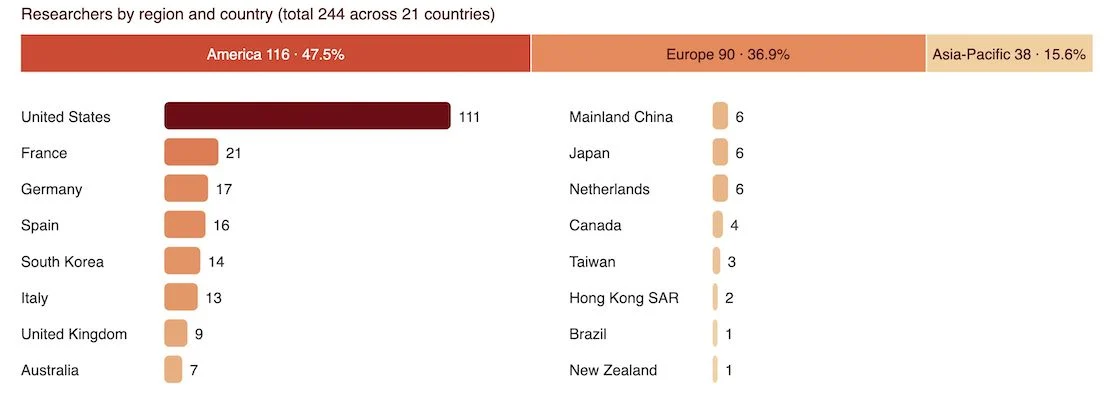
By primary institutional affiliation, the 244 researchers are based across 21 countries:
- America (116 researchers; 47.5%): Led by the United States with 111 honorees (45.5%), alongside Canada (4) and Brazil (1).
- Europe (90 researchers; 36.9%): Led by France (21), Germany (17), Spain (16), Italy (13), the United Kingdom (9), and the Netherlands (6), reflecting Western Europe’s central role in leading multinational Phase III trials.
- Asia-Pacific (38 researchers; 15.6%): Led by South Korea (14), followed by Australia (7), Mainland China (6), Japan (6), Taiwan (3), Hong Kong SAR (2), and New Zealand (1).
Leading Fields With the Most Researchers
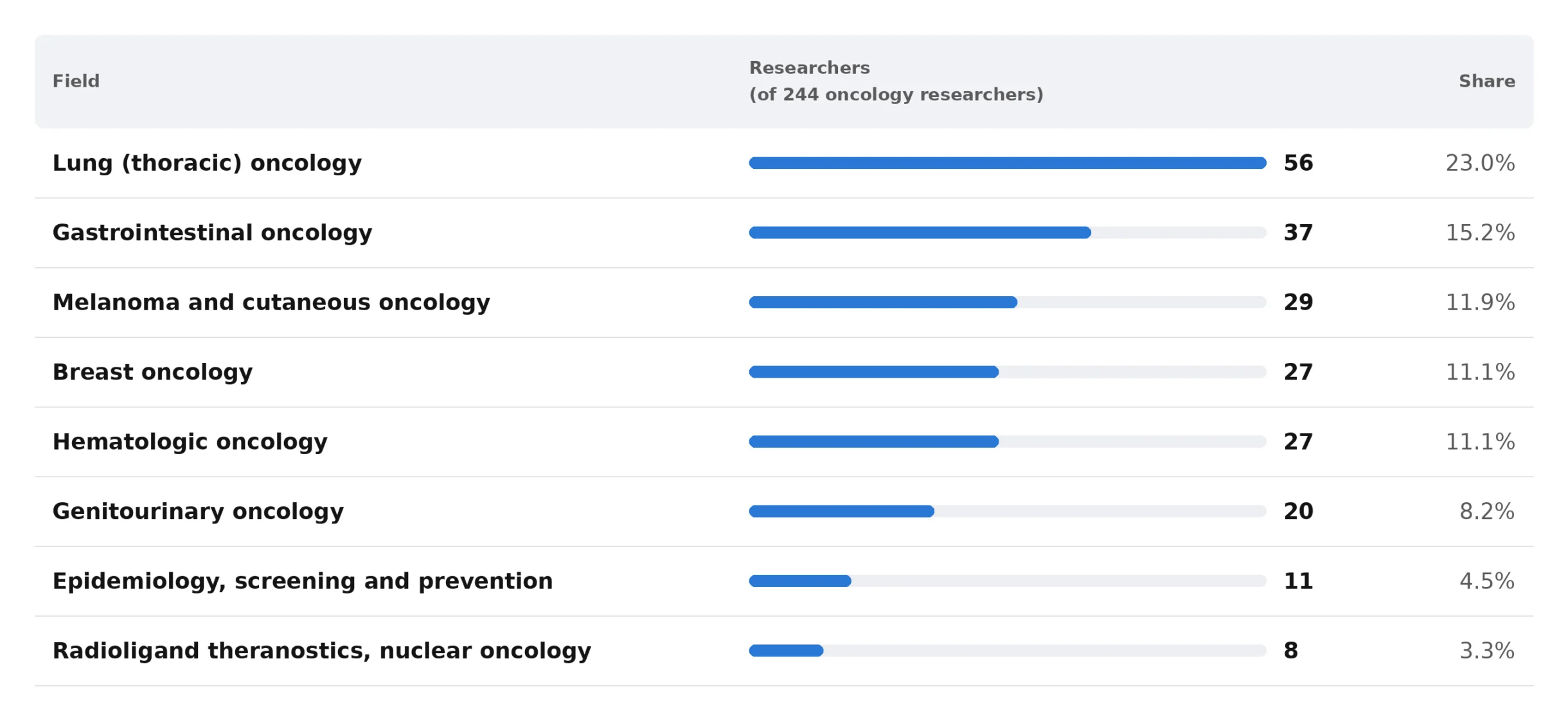
Lung cancer specialists represent 56 of the 244 oncology researchers (23.0%). Gastrointestinal oncology ranks second with 37 researchers (15.2%). One of the most interesting patterns in the data is melanoma and cutaneous oncology, which accounts for 29 researchers (11.9%). Despite melanoma’s smaller share of cancer incidence and burden, it outnumbers many other types of cancer. Breast oncology (27 researchers; 11.1%) and hematologic oncology (27 researchers; 11.1%) tie for fourth. Genitourinary oncology follows with 20 researchers (8.2%).
Clarivate’s 2026 list is a reminder that clinical oncology is not only the daily practice of caring for patients, but also one of the fastest-moving research fields in modern medicine. Groundbreaking clinical trials and high-impact discoveries inspire investigators across the globe to build on and cite that work in their own studies, creating a continuous cycle of scientific momentum. At BIGR and OncoDaily, we are always proud to recognize these pioneers on the frontiers of cancer medicine and celebrate the global community shaping the future of oncology.
About BIGR
This study was conducted by the Boston Institute for Global Rankings (BIGR) – an academic initiative dedicated to transparent, data-driven evaluation of excellence in universities, medical centers, and healthcare professionals worldwide. With a focus on performance, impact, and innovation, BIGR aims to create meaningful global benchmarks for the future
Think BIGR